When you hear the word “processed,” what comes to mind? When most people hear the word “processed,” they have a negative reaction. In today’s world of technology and efficiency, this idea of processed food has instantly become connected with harm, but with all the information out there, do people really understand what processed food is? Figuring out how we can stay healthy in a processed food world is critical in modern times.
What Does Processed Really Mean?
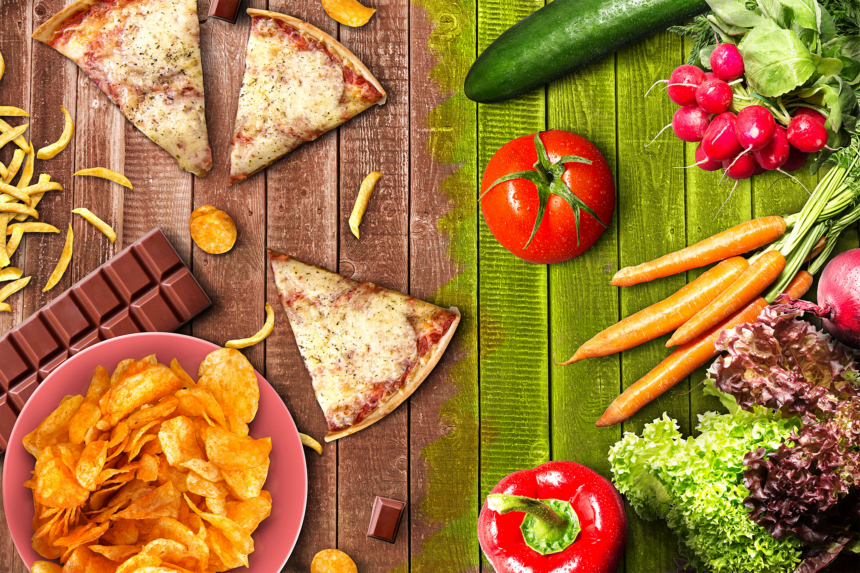
First off, there are a lot of misconceptions about the actual definition of processed. While many people associate it with chemicals and dangerous additives to food, technically, processed can mean anything that is done to alter the original form of food. With this definition, even cooking food can be considered a type of processing. Therefore, although some processing can be beneficial, other types of processing are harmful to health. The important part is how to distinguish between the two.There is a big difference between lightly processed and heavily processed food. Lightly processed foods are when foods are slightly transformed in order to increase their convenience or nutritional value. For example, even though pre-cut or pre-packaged vegetables are processed, they can still be a healthy (and more convenient) option. More heavily processed foods can be readily recognizable as what are categorized as “junk food”: candy, potato chips, and a lot of fast food.When deciding what to eat, therefore, the ingredients and additives in the processed food (rather than merely if a food is processed or not) are essential factors; breakfast cereals processed with added fiber can help start the day off right and boost digestive tract health. The details of processed food can become far more complicated, too. A few argue that seaweed based carrageenan, a common ingredient extracted from natural seaweed and used to improve shelf life and texture in many foods, is dangerous when, in fact, the U.S. Food and Drug Administration, along with other organizations, approves its use, and there is a new study that supports its safety. With all the debates and myths about processed food, it is hard to know concretely what we should not eat. Lucky for us, there are major, agreed-upon ingredients common in heavily processed food that we can work to stay away from.
Processed Food: What to Avoid
Popular food expert Michael Pollan explains that many unhealthy processed foods are characterized by fat and sugar that are added, with fat and sugar being two of the least nutritious ingredients that also contribute to America’s obesity epidemic. Harvard Health reports that too much sugar can increase risk of all sorts of diseases, and to avoid added sugars (since they are lumped with natural sugars on the Nutrition Facts label), look out for ingredients that end in “ose,” like fructose. As for fats, the Cleveland Clinic advocates to specifically watch out for too much saturated fat?keep it to less than ten percent of the total calorie intake?and to stay away from as much trans fat as possible.With two major things to avoid out of the way, there are other additions to look for as well. Along the lines of added sugar, Dr. Joseph Mercola recommends evading artificial sweeteners, which have been associated with cancer and other diseases. Mercola also warns of common food dyes because studies have linked them to behavioral and health issues.
How to (Realistically) Stay Healthy
In this processed world, it can seem like we are getting further and further away from nature, even though it is proven that connecting with nature can improve your happiness. Diet is important in staying healthy, but remember that there are other aspects (like exercising, being outside, stress, and more) to health. Yes, figuring out what to eat can be difficult, but knowing the major things to look for and avoid can help in navigating the processed food world.