
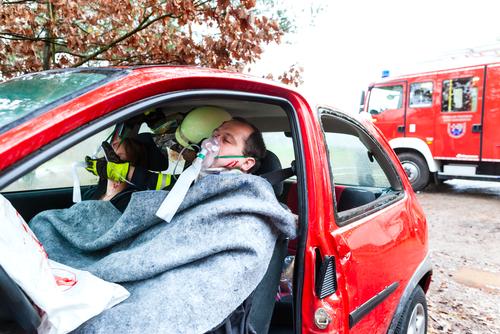
There are an estimated 13 car accidents every minute in the United States. Some of these car accidents involve painful and serious injuries, including traumatic brain injury.
Getting injured in an accident can be painful and inconvenient. Recovering from a car accident is also no picnic. You may end up with a pile of medical bills, miss work, and spend months recovering.
One of the worst types of injuries a person can have is a traumatic brain injury. It can occur after a person receives a blow to the head during a car accident. According to Car Accident Lawyers at The King Law Firm, there are several types of brain injuries that you can suffer as a result of an accident. There are also several treatment options to consider.
Types of Brain Injury Following a Car Accident
Car accidents are a leading cause of traumatic brain injury (TBI). The injury may be mild, moderate, or severe. Several different types of brain injuries are common after a car accident.
Concussion
Like all traumatic brain injuries, a concussion is caused by a blow to the head. However, it is generally considered a milder injury.
In addition to having a bad headache, symptoms of a concussion can include disorientation, ringing in the ears, and blurred vision. Although these symptoms are usually temporary, there are some cases where they will persist or worsen over time. In serious cases, a person may experience seizures or convulsions.
There are three basic treatments for concussion — exercise therapy, dietary changes, and neck rehab. When a person has a concussion from an accident, they can get stuck in flight or fight mode. They may feel like they are going into a state of panic several times a day. Their heart rate may go up, and they might have trouble breathing. Exercise can help lower your heart rate.
There are some dietary changes recommended for people with concussions. Sometimes a person will experience metabolic changes as they heal. You should avoid eating food that can cause inflammation such as sugars and red meat.
A form of physical therapy known as neck rehab is also common. A neck rehab therapist will give you exercises and stretches that will help you regain the range of motion in your neck.
Closed Brain Injury
Closed brain injuries take place when there is blunt trauma to the head, but no penetration and no break of the skull. When a person in a car accident suffers a severe blow to the head, the brain is jolted and it may hit the front and back of the skull.
This can lead to bruising of the brain, blood clots, and the tearing of the nerves. If the brain tissue is ripped, an injured person may experience internal bleeding.
Even a minor closed brain injury can result in serious complications. You may slur your speech and feel dizzy. You may experience mood swings. You might have to undergo a CT scan or MRI to determine the existence and severity of this kind of trauma.
If your injury is severe, you may have to go to the hospital for observation. In some cases, a person with a closed brain injury will experience swelling of the brain. This is more dangerous than other types of swelling because the brain is in an enclosed area.
Surgery may be required for a moderate brain injury as well if you have experienced internal swelling and bleeding around the brain. You may require a procedure to clean blood from the brain. If any pieces of the skull were cracked, a surgeon can go in and clean broken skull fragments off of the brain.
You may be given medications to prevent seizures and headaches. If you have problems with balance and walking as a result of this kind of injury, you may have to go to physical therapy. You may also need speech therapy if you have difficulties speaking.
Penetrating Brain Injury
A penetrating brain injury happens when an object pierces the flesh or bone of the head. The most obvious example of a penetrating brain injury is a bullet to the head. However, penetrating brain injuries often happen during car accidents. Glass and metal may penetrate a person’s skull, causing a TBI.
This kind of injury is serious and will almost always require surgery. You will probably need an MRI or CT scan so that a surgeon can locate any objects that are lodged in the brain. This injury can be fatal, even if you are receiving quality health care.
If you or a loved one has been injured in an accident, you should consult an attorney before accepting the insurance company’s offer. A lawyer is trained in negotiations with insurance companies. They will fight to get you the money for the care you need to manage your injuries and enjoy life.