
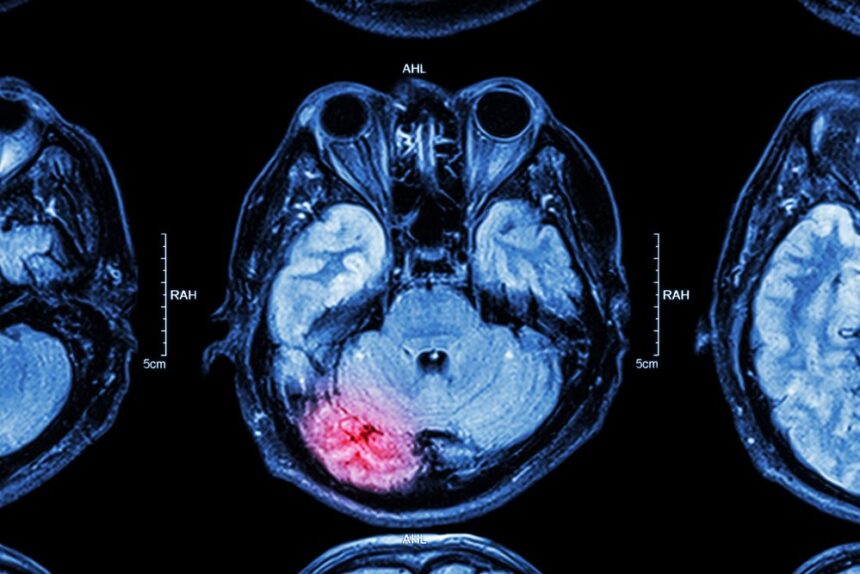
Brain injuries are much more common than most people think. The CDC reports that 1.5 million people have traumatic brain injuries every year. Unfortunately, many people are completely unaware of the severity of their injury, because they don’t recognize the symptoms.
What Are the Symptoms of Traumatic Brain Injuries and How Do They Impact Patients?
In simple terms, an ‘acquired’ brain injury refers to any injury caused to the brain that has occurred since birth or by any external factor.
Perhaps the most widely discussed types of brain injury within this description are ‘traumatic brain injuries’ (TBIs), which occur when a sudden, external and physical impact damages the brain.
This may come from a fall or physical assault, which usually causes considerable damage (either focal or diffuse in nature) and is one of the most common causes of death and disability among adults. TBIs can also be broken down into three different types, including the following:
- Mild Brain Injuries: This may cause a brief period of unconsciousness, dizziness and nausea, with up to 80% of all head injuries falling into this category.
- Moderate Brain Injuries: This is defined by a period of unconsciousness between 15 minutes and six hours, or a period of post-traumatic stress amnesia lasting for up to 24 hours.
- Severe Brain Injuries: This describes instances where a patient is unconsciousness for more than six hours, or experiences post-traumatic amnesia for more than 24 hours.
Other types of brain injury include concussion, which is incredibly common in sport and impact disciplines such as boxing, rugby, and football. This is also classed as a mild brain injury.
With a penetrative head injury, an object will fracture the skill and subsequently enter the brain tissue, while closed head injuries occur following an impact that doesn’t break the skull.
What are the Symptoms and How to Deal with a Brain Injury?
While the precise symptoms vary depending on the categorisation of your brain injury, common manifestations include nausea, dizziness, headaches, drowsiness and (of course) unconsciousness.
Some traumatic brain injuries can be even more serious. They can lead to unexpected consequences such as an increased propensity towards violent behavior. You need to recognize the possible risks.
Remember, even mild brain injuries may cause a brief period of unconsciousness, whereas injuries that don’t incur this aren’t considered to be particularly serious at all.
Tracking your symptoms can help you to optimise your wellbeing and estimate the seriousness of your injury, especially in the hours after an injury has been incurred.
But what should be expected in the longer-term? Well, brain injuries can vary depending on their categorization, with serious traumatic injuries having the potential to cause long-term health issues and undermine your quality of life.
Take the Right Steps to Respond to Traumatic Brain Injuries
There are a lot of issues associated with traumatic brain injuries. You will need to recognize the risks and be aware of the possible problems. You must also get prompt treatment if you have suffered from such an injury.
It can even stop you working and earning money, creating a scenario where you may be able to make a brain injury compensation claim. You’ll probably need legal assistance to help pursue this course of action, as you’ll have to prove the impact of the incident and subsequent brain injury and demonstrate that an employer or third-party was at least partially at fault.