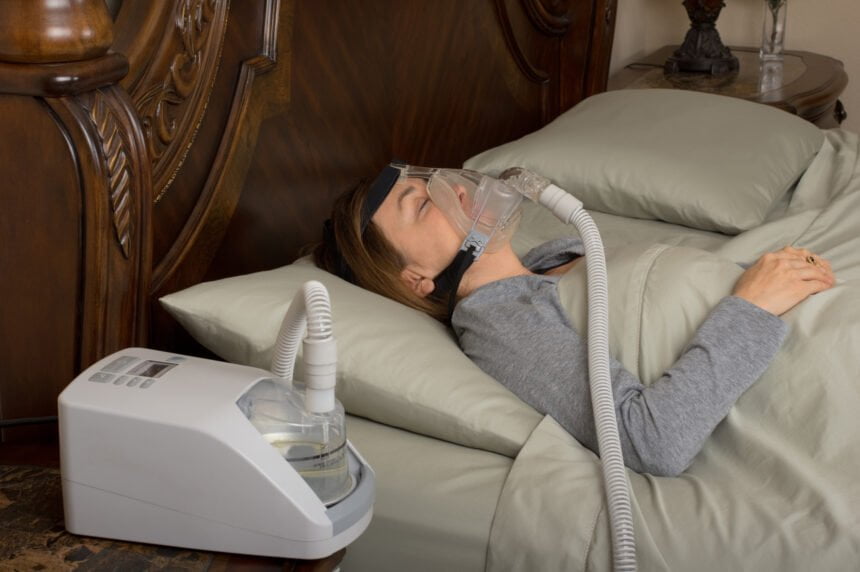
Sleep apnea is a prevalent sleep disorder characterized by repeated interruptions in breathing during sleep, leading to fragmented sleep patterns and a range of health issues. One crucial tool in diagnosing and assessing the severity of sleep apnea is the Apnea-Hypopnea Index (AHI). In this article, we will explore the basics of sleep apnea, delve into the Apnea-Hypopnea Index, and understand its role in diagnosing this potentially serious condition.
What is Sleep Apnea?
Sleep apnea is a disorder marked by the temporary cessation or reduction of airflow during sleep. This interruption in breathing can last for a few seconds to minutes and may occur multiple times throughout the night. According to most sleep apnea books and literature, there are three main types of sleep apnea:
1. Obstructive Sleep Apnea (OSA): This is the most common form, where the airway becomes partially or completely blocked during sleep due to relaxed throat muscles.
2. Central Sleep Apnea (CSA): This type is less common and is caused by a failure of the brain to send the appropriate signals to the muscles responsible for breathing.

3. Complex/Mixed Sleep Apnea: This is a combination of obstructive and central sleep apnea.
Symptoms of sleep apnea include loud snoring, choking or gasping during sleep, excessive daytime sleepiness, difficulty concentrating, and irritability.
What is the Apnea-Hypopnea Index (AHI)?
The Apnea-Hypopnea Index (AHI) is a numerical measure used to quantify the severity of sleep apnea based on the frequency of apneas (complete cessation of airflow) and hypopneas (partial reduction of airflow) per hour of sleep. AHI is a key component in assessing the severity of sleep apnea and guiding healthcare professionals in determining appropriate treatment plans.
How is AHI Calculated?
AHI is calculated by adding the total number of apneas and hypopneas observed during a sleep study (polysomnography) and dividing it by the total sleep duration in hours. The formula for AHI is as follows:

Understanding AHI Scores
AHI scores are categorized into different ranges to help diagnose and classify the severity of sleep apnea:
1. Normal (AHI < 5): An AHI score of less than 5 is considered normal, indicating minimal or no sleep apnea.
2. Mild Sleep Apnea (AHI 5-15): Individuals with an AHI between 5 and 15 are classified as having mild sleep apnea.
3. Moderate Sleep Apnea (AHI 15-30): A moderate sleep apnea diagnosis is given to individuals with an AHI between 15 and 30.
4. Severe Sleep Apnea (AHI > 30): An AHI score exceeding 30 is indicative of severe sleep apnea.
Significance of AHI in Diagnosing Sleep Apnea
The AHI serves as a crucial diagnostic tool for sleep specialists and healthcare professionals in determining the severity of sleep apnea and developing appropriate treatment plans. Here’s why AHI is significant:
1. Severity Assessment: AHI helps classify the severity of sleep apnea, guiding healthcare providers in understanding the impact on a patient’s overall health and quality of life.
2. Treatment Planning: Based on AHI scores, healthcare professionals can recommend suitable treatment options. Mild cases may be managed with lifestyle modifications, positional therapy, or oral appliances, while moderate to severe cases may require continuous positive airway pressure (CPAP) therapy or other advanced interventions.
3. Monitoring Treatment Efficacy: AHI is also used to monitor the effectiveness of prescribed treatments. Follow-up sleep studies can assess whether interventions are successfully reducing the frequency of apneas and hypopneas, helping healthcare providers make adjustments as needed.
Conclusion
Sleep apnea is a widespread sleep disorder with potential health implications if left untreated. The Apnea-Hypopnea Index plays a pivotal role in the diagnosis and management of sleep apnea by quantifying the frequency of respiratory events during sleep. Healthcare professionals use AHI scores to classify the severity of sleep apnea and tailor treatment plans to address the specific needs of each patient. As awareness of sleep apnea continues to grow, understanding the significance of the Apnea-Hypopnea Index becomes increasingly important in promoting better sleep health and overall well-being.