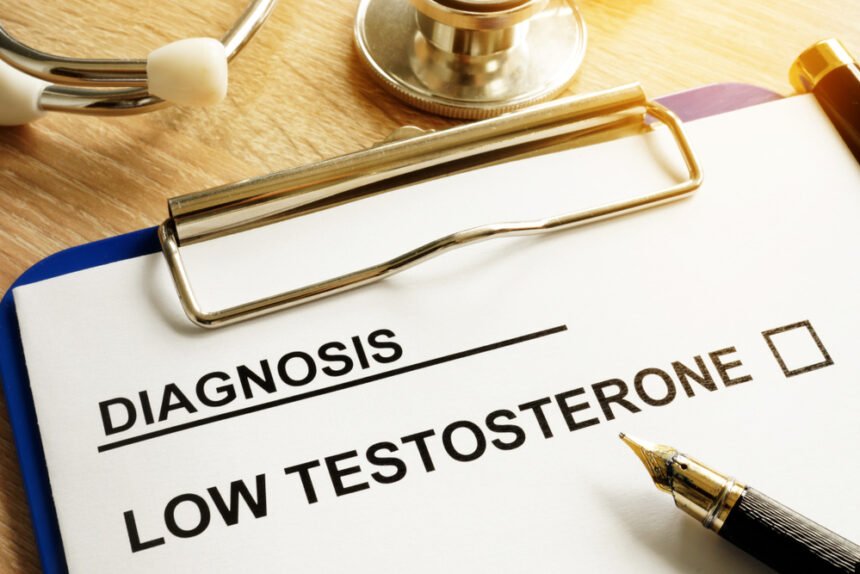
Over the years, the number of men suffering from low testosterone has grown dramatically. And while “low T” may be something you joke around about with your buddies, it’s nothing to laugh about. Aside from being annoying, low testosterone can actually be very dangerous. If you want to be healthy for years to come, something must be done. Understanding Low T “Low testosterone must be dealt with immediately,” writes Dr. Hector Rodriguez. “Although a lot of attention is given to female menopause, you rarely hear discussions about male menopause. Unfortunately, it is a real problem for men.” Male menopause? For some readers, this will be the first time they’ve even heard this term used. Well, unfortunately, it’s a big issue among today’s middle-aged men. Also known as andropause, male menopause leads to a significant drop in testosterone levels, which comes with a long list of undesirable side effects and symptoms. While you’ll often hear people reference a lack of sex drive or erectile dysfunction when discussing low testosterone, the importance of testosterone goes much deeper. According to Oakwoodhealth, testosterone is by far one of the more important male hormones and plays a vital role in a man’s chemical and physical makeup. In conjunction with other hormones, testosterone courses through the bloodstream and encourages a number of physiological processes that impact metabolism, sexual functioning, growth and development, mood, and more. The male body first begins to produce testosterone weeks after conception. Testosterone levels then increase during puberty and peak during a man’s late teens and early twenties. After leveling off, testosterone levels then gradually diminish in a man’s early thirties. Negative Health Effects of Low T So, aside from the commonly discussed sexual side effects, what other areas of the body do low testosterone levels impact? Well, depending on the individual, the side effects can be quite diverse. Here are just a few of the more serious ones:
- Osteoporosis. In men with very low levels of testosterone, bone strength may become compromised. As a result, these men are often at a higher risk of developing osteoporosis, which makes them more prone to injury. As many as 2 million American men have this condition, and low testosterone is by far the most common cause.
- Diabetes. The link between diabetes and low testosterone has been clearly established in recent years – and it’s a two-way street. Men with diabetes are more likely to have low testosterone, while men with low testosterone are more likely to develop diabetes later in life. The reason is that testosterone helps body tissues take up blood sugar in a response to insulin. Men who have low testosterone generally have insulin resistance, meaning they need to produce more insulin to maintain a healthy blood sugar level.
- Prostate cancer. There was once a popular myth that testosterone caused prostate cancer – this has been proven false in recent years. In fact, men with low testosterone levels actually have an increased risk for prostrate cancer.
- Loss of hair. “Testosterone promotes the growth of hair on a man’s face, chest, armpits and genitals. As testosterone levels dwindle, many men begin losing body hair,” writes Dr. Rodriguez. “It may also lead to premature balding, but family history plays a bigger role in this process.” If premature hair loss is an issue for you – and there’s no family history to suggest it’s common – this could be an early sign of low testosterone.
Don’t Ignore Low T While low testosterone may not seem like anything more than an annoyance, it’s actually a very important condition that needs to be dealt with as soon as possible. Heed the advice of those in the medical community and do something sooner rather than later.