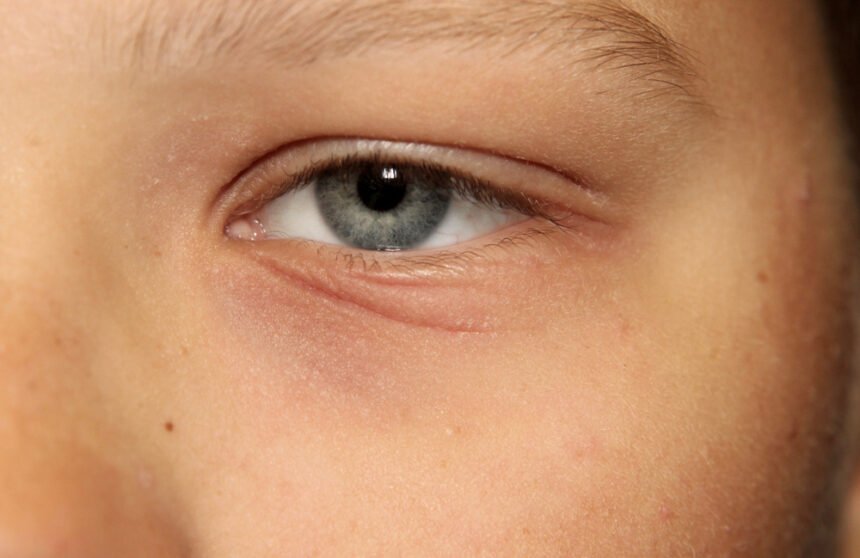
Eczema plagues thousands of people worldwide. The constant discomfort and itchiness will lead most people to seek out nearly any kind of relief, from topical creams to antihistamines and everything in between. Eczema can manifest nearly anywhere on the body, but eyelid eczema is particularly insidious as it is quite difficult to not move the affected area or ignore the discomfort caused by the condition. There’s an old saying though that prevention is better than any cure. So, understanding eczema and knowing the causes can help you avoid any pesky outbreaks of everyone’s least favorite skin condition. Eczema is a chronic condition that typically rears its head several times in the life of the affected person. It is characterized by dry skin and small blisters that cause itchiness and a strong feeling of discomfort that borders on painful until the condition clears up. While there is no known cure, there are treatment options. Eczema is thought to be primarily an immune response that results in inflammation and histamine being released into the area which causes the negative effects. Eyelid eczema is just one form of eczema, most people contract the condition of their hands or feet, but any skin can be affected by the condition. But, what causes eyelid eczema? Let’s explore that, shall we?
Irritating Substances
The skin around the eyelid is extremely thin, comprised mainly of blood vessels and some fat. This means it isn’t particularly well defended from the outside world. Any irritant that comes in contact with the end can result in the development of eyelid eczema. While allergy causing substances are most likely to cause this reaction, nearly any substance that can irritate the skin can result in a breakout. So, reflect carefully on your surroundings and eliminate any sources of airborne matter. This can be done by removing the source of the irritants or by investing in a quality air purifier.
Genetic Factors
Eyelid eczema, actually any eczema for that matter, seems to have a genetic component behind it. The condition is more likely to appear in an individual if one or more of their family members have experienced the condition at least once in their lives. This is probably due to the immune system aspect of eczema breakouts, individuals in the same family are highly likely to have similar immune systems that can react semi-predictably to the outside world.
Diet
It has been known for some time that diets high in trace minerals like nickel and cobalt can contribute to eczema or make current outbreaks stay around for longer. Avoid foods like beans, legumes, nuts, and even chocolate until the outbreak has cleared up. Ideally you switch up your diet to minimize the amount of nickel and cobalt you’re consuming, but that is much easier said than done. Either way, monitor your intake and make changes accordingly. Just because eczema has no known cure doesn’t mean it needs to be a thorn in your side. So long as you manage your risk factors for a resurgence of the condition you’ll be sitting pretty. I wish you all an itch-free future!