Periods are the bane of most women?s lives. They appear once a month and cause havoc. As well as the expense of buying sanitary products, which soon adds up, using tampons and pads is bad for the environment. In this article, we have some tips for making your monthly period easier, while saving the environment!
The Cost of Menstruation
The average woman spends around £10/$12 each month. That?s how much it costs to buy essential sanitary products, and it doesn?t account for the extra chocolate and candy you eat when PMS hits you like a sledgehammer. Over a lifetime, Ms. Average spends £18k/$22k. That?s a lot of money, and in some communities, period poverty is a very real problem. The cost to the environment is just as high. Tampons and sanitary towels are mass produced in factories. 432 million sanitary pads are manufactured in India alone. Sanitary towels contain a significant quantity of plastic, which is non-recyclable. Once they end up in a landfill, they will take hundreds of years to decompose. Tampons are not much better; they contain harmful chemicals, which leach into the ground, where they contaminate groundwater supplies. Nobody is arguing that women need effective sanitary products. Whilst in some impoverished rural communities, women make do with scraps of old fabric when their monthly period arrives, this isn?t practical in modern society. It?s OK to make do with a temporary pad of toilet tissue if you are caught on the hop at work, but there are more practical ? and eco-friendly ? alternatives.
Sustainable Menstrual Products
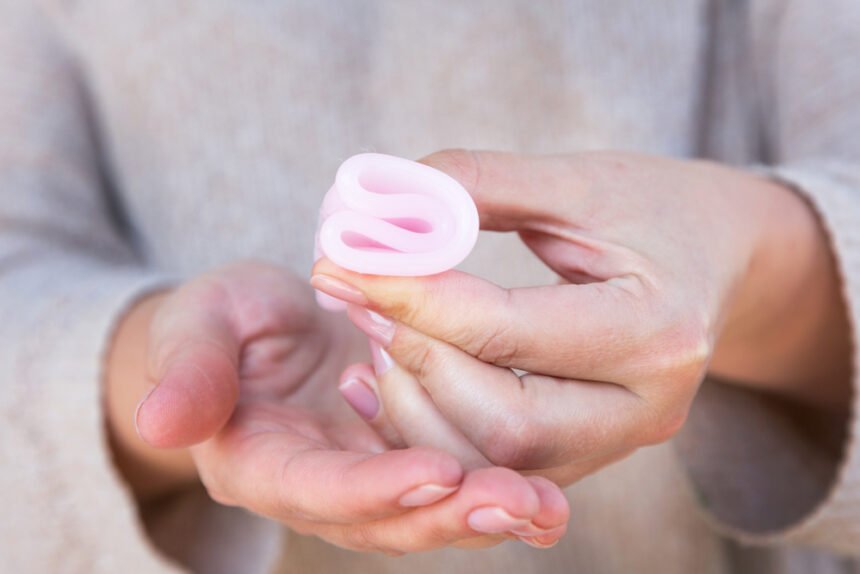
There are cost-effective and eco-friendly menstrual products available. These offer a number of advantages. Menstrual Cups are an excellent example of an eco-friendly alternative to tampons and sanitary pads. Menstrual cups are made from medical-grade silicone, so there are no health risks associated with using them. In fact, they are far safer than tampons and you are less likely to develop Toxic Shock Syndrome (TSS) from using a menstrual cup. A menstrual cup is designed to be inserted inside your vagina, just like a tampon. However, unlike a tampon, which is disposable, a menstrual cup is reusable. You empty it, rinse it in clean water, and reinsert. There are different brands available, so check out menstrual cup reviews for more information. Period panties are another innovative example of an eco-friendly menstrual product. Period panties look just like regular undergarments, but they have two extra layers. The first layer, made from cotton, is there for comfort. The next later absorbs liquid, and the final layer is waterproof to prevent embarrassing leaks. You can reuse period panties, so they are a good investment.
Making Periods Easier
One of the biggest headaches of a period is the fact you need to change your tampon or pad every few hours. Rushing to the ladies? room isn?t always convenient, especially if you are an outdoorsy type who loves to cycle, run, hike, and get your adrenaline flowing. Using a menstrual cup makes life much easier. Instead of rushing to change a tampon or pad before the blood begins to leak through your underwear, you can keep a menstrual cup in for up to eight hours. And the best bit? If inserted correctly, menstrual cups don?t leak! Because menstrual cups can stay in safely for up to eight hours, they are safe to use overnight. So, no more waking up at the crack of dawn to pop a tampon in, only to discover that your pad has leaked, and you are lying in a bloody mess. Sporty women like menstrual cups because they are safe to use for many hours, without fear of leaks or TSS. It?s a lot easier to empty a menstrual cup outdoors than it is to dispose of a used tampon or sanitary pad. Remove, empty, rinse, and reinsert. As long as you have a water bottle and some wipes, you are good to go. Don?t forget also that menstrual blood is actually good for the environment. Empty the contents of your menstrual cup on the garden and it will act as a fertilizer! Lastly, if you plan on having sex during your period, try a menstrual disc. It?s similar to a menstrual cup, but flatter in design, so you can have sex with it in place.