Apps are changing the future of healthcare. In 2020 alone, over 90,000 new healthcare apps reached the market.
In the digital age, applications, or apps, have become integral tools that shape the way we interact with technology. An application is essentially a software program designed to perform specific tasks or functions, offering users a diverse range of services and experiences. There are a lot of benefits of using apps for healthcare as well.
In an era where technology intertwines with every aspect of our lives, the intersection of mental health and app development has emerged as a promising avenue for supporting well-being. The creation of a mental health app involves a thoughtful blend of technology, psychology, and user experience design. This comprehensive guide explores the essential steps and considerations involved in developing a mental health app that makes a positive impact.
1. Understanding the Landscape
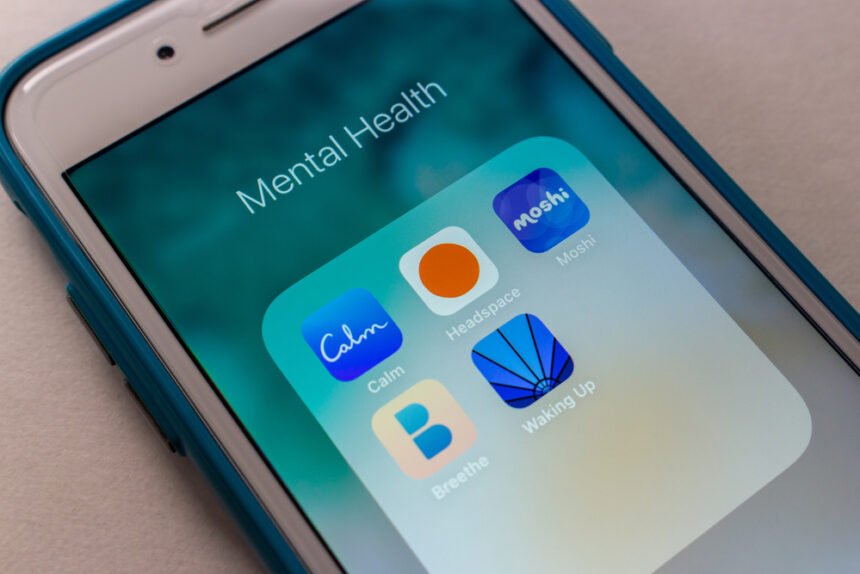
Before delving into the technicalities, it’s crucial to understand the landscape of mental health apps. These applications cater to a diverse range of needs, from mindfulness and stress reduction to mood tracking and therapeutic interventions. Identifying the specific niche or purpose of your app lays the foundation for its design and functionality. Kaiser Family Foundation talks about how there are a lot of privacy concerns with mental health apps.

2. Defining the Purpose and Features
Website Integration: A seamless connection between the app and a dedicated website enhances accessibility and user engagement. The website can serve as a platform for additional resources, community forums, and updates, creating a holistic user experience.
Define the primary purpose of your mental health app. Is it designed for daily mood tracking, meditation guidance, or connecting users with licensed therapists? Tailor the features to align with the app’s intended goals. Common features include:
- User profiles: Allow users to create accounts and personalize their experience.
- Mood tracking: Implement a feature for users to log and analyze their moods over time.
- Guided exercises: Integrate mindfulness exercises, meditation sessions, or breathing techniques.
- Progress tracking: Provide visualizations of users’ progress and achievements.
3. Ensuring Privacy and Security
Given the sensitive nature of mental health data, prioritizing privacy and security is non-negotiable. Implement robust encryption protocols, secure user authentication methods, and transparent privacy policies. Compliance with data protection regulations is essential to building trust between users.
4. User Experience (UX) Design
A user-friendly interface is paramount for the success of a mental health app. Considerations include:
- Intuitive navigation: Ensure users can easily navigate through the app’s features.
- Accessibility: Design with inclusivity in mind, considering users with varying needs.
- Engaging visuals: Use calming colors and intuitive graphics to create a positive user experience.
5. Incorporating Evidence-Based Practices
For mental health apps to be effective, consider incorporating evidence-based practices. Collaborate with mental health professionals, psychologists, or counselors to integrate therapeutic techniques that have demonstrated efficacy.
6. Development and Testing
Engage a skilled development team to bring your vision to life. Thorough testing is critical to identifying and correcting any bugs or usability issues. Conduct beta testing with a diverse group of users to gather feedback for further improvements.
7. Website Integration
Integrating a website adds an extra layer of accessibility. Users can access the app from various devices, and the website serves as a hub for additional content, support, and community building.
8. Launch and Marketing
In the highly competitive world of mobile applications, effective marketing plays a pivotal role in determining the success and visibility of an app. The process of app promotion involves various strategies aimed at increasing user acquisition, engagement, and overall visibility.
A strategic launch and effective marketing are key to reaching your target audience. Leverage social media, influencers, and partnerships to promote your app.
9. Continuous Improvement
The journey doesn’t end at launch. Monitor user feedback, track app performance, and implement updates regularly. A commitment to continuous improvement ensures that your app stays relevant and impactful in the ever-evolving landscape of mental health technology.
Creating a mental health app is a multifaceted endeavor that demands a balance of technology, empathy, and ethical considerations. By understanding the needs of your target audience, prioritizing user experience, and incorporating evidence-based practices, you can contribute meaningfully to the well-being of individuals navigating the complexities of mental health.