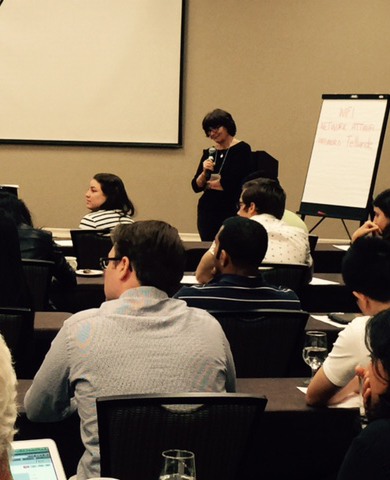
 Our final session of the 2015 Telluride Experience kicks off in Napa, CA this week.
Our final session of the 2015 Telluride Experience kicks off in Napa, CA this week. Once again, the learning began by sharing the Lewis Blackman story, and we were fortunate to have Helen Haskell as part of the faculty to lead discussion after the film, along with Dave Mayer. Having been part of the team who created the film, and having viewed it more times than I can count, I am always in awe of the new ideas each viewing inspires. A large part of that inspiration arises from the conversations and stories that are shared by attendees after they hear the story.
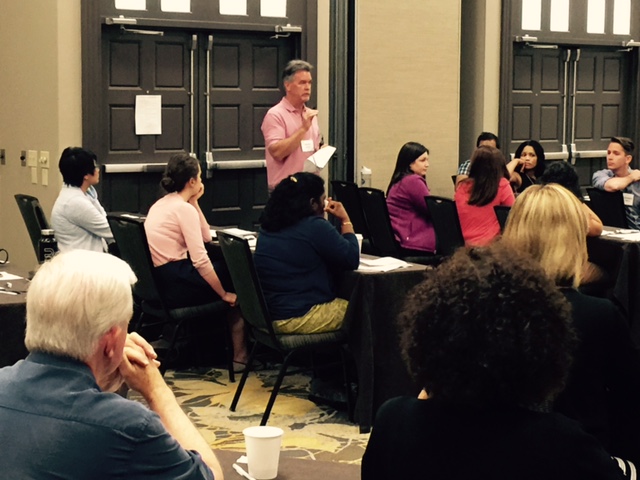
Today, there were many excellent comments but it was something Natalie B, a nurse practitioner and educator attendee, mentioned about the fear junior healthcare professionals hold of getting chewed out by healthcare leaders that often prevents them from speaking up when they are unsure. The second inspirational comment came from our newest faculty member, Kathleen Bartholomew, also a nurse, who pointed out the need for a greater sense of urgency around adopting a culture of safety above all else. She continued by pointing out that 900 similar case like Lewis’ occurred in the single day and a half since our group arrived at this meeting.
 This begs the question that, shouldn’t delivery of care always be about putting the patient first versus the care provider’s ego or fear of jeopardizing a career? This phenomenon is far from limited to trainees too, which is of even greater interest. Perhaps an interesting model to consider would be to have medical and nursing schools recruit, train and accept only the most courageous students versus those with the best MCATs or test scores. It would be nice to weed out those who would/could put their own professional well-being before that of their patient at any level.
More Read

The reminder of the need for a greater sense of urgency was both valuable and validating. There have been times when it has been hard to watch Lewis’ story yet again, knowing errors related to healthcare hierarchy and culture continue to occur again and again. Helen shared that on November 6th, it will be 15 years since Lewis died–was killed–if we’re being honest. She pointed out that all too soon he will have been gone from her life longer than he was alive. This is a hard fact for all of us to hold.
One of the greatest values to the Telluride Experience is infusion of the mindfulness and ire into the minds of young healthcare trainees that comes from hearing these stories. It is both that will be needed for real change. We need providers at all levels of training who are more afraid of harming a patient than of being chewed out by a dysfunctional healthcare mentor. I would challenge those going into healthcare, as well as those already in healthcare, to be prepared to put the patient first, always. Those who are unsure this is something they can do might want to consider a different career path.