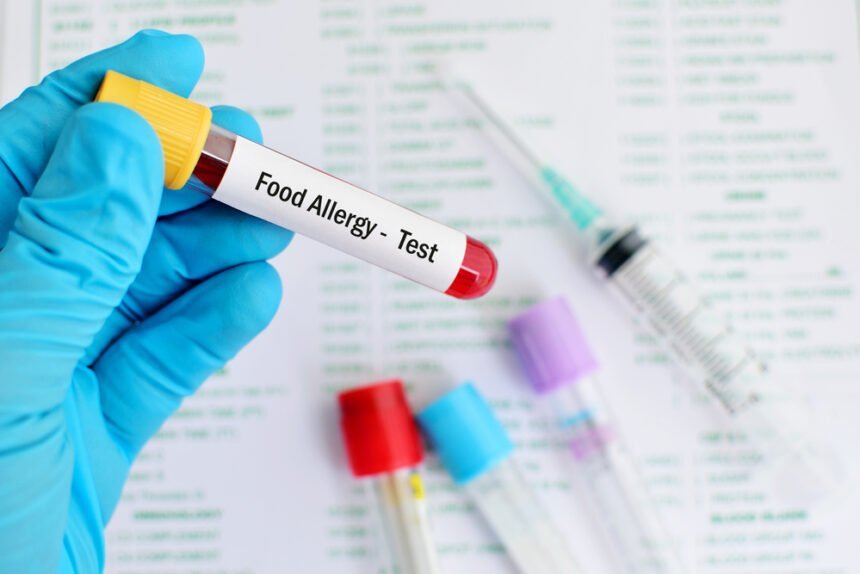
All food should nourish your body. But some people have abnormalities that make their immune system fight some nutrients. It can cause several types of mild or severe reactions. Food allergy testing helps you to identify any allergy you have and address it effectively.
- What is a Food Allergy?
- Types of Food Allergies
- What is a food allergy test?
- Gastrointestinal symptoms
- Skin symptoms
- Neurological symptoms
- Some Allergies Manifest in Adulthood
- You Need Proper Diagnosis for Treatment
- You May be Living with Unknown Allergies
- A History of Food Allergies in the Family
- It Helps in Prevention and Precaution
- Conclusion
Food allergy tests are simple. Also, you can have a skin or blood test to determine the type of allergy you have, and best way to handle it. So, what is food allergy testing and why should you consider one? Keep reading to learn more.
What is a Food Allergy?
You can eat some foods that may result in dangerous or unpleasant immune system reactions. The symptoms may include digestive system problems, blocked airways, and hives- they may be mild or life-threatening.
The causes of food allergies are unknown. However, even tiny amounts of an allergy-causing agent can give you adverse effects. Anaphylaxis is the most severe whole-body allergic reaction. It affects your heart rate, drops blood pressure, and impairs your breathing.

Most allergies are genetic. But you can’t tell who will be affected. Also, siblings may have different types of allergies.
Types of Food Allergies
Eight food items amount to 90% of food allergies. Eggs are the largest culprits. The others are milk, peanuts, wheat, shellfish, tree nuts, soy, and fish. Mustard and sesame seeds are also allergy triggers. Some countries have listed them among the major allergens.
Allergy symptoms manifest on the skin, cardiovascular system, gastrointestinal tract, and respiratory tract.
You’ll notice one or several of these symptoms a few hours after you ingest an allergen. Children may have delayed reactions which may manifest after 6 hours. The results could lead to eczema.
What is a food allergy test?
Food allergy testing is the method you apply to check whether you react to different types of foods or not. Schedule a doctor’s visit if you need reliable results.
A food allergy test will show if you or your child reacts to certain types of food. If you confirm your suspicion, you should visit an allergist for treatment and management. Below are some of the reasons you should get a food allergy test.
Gastrointestinal symptoms
There’s a difference between food allergies and food sensitivity. People with food sensitivity may experience abdominal pain after consuming certain types of foods. However, food allergies can cause reactions beyond the stomach. The symptoms may be mild to severe depending on the patient. You should have a food allergy test to rule out food sensitivity.
Skin symptoms
You may experience skin conditions due to various reasons. However, it would help if you observed when the condition manifests. If you notice a pattern after you consume a type of food, you can take a food allergy test for that food. It will help you avoid severe reactions in the future.
Neurological symptoms
Some food reactions can cause symptoms that affect your heart and nervous system. They are the most dangerous symptoms as they may lead to fatalities. If an allergic reaction results in rapid or reduced pulse, sinus swelling, difficulty in breathing, and other systems affecting the nervous system, you should have a rapid allergy test.
Some Allergies Manifest in Adulthood
When you develop allergic reactions as a child, it’s easy to notice and treat the condition. Also, you learn to take precautions from an early age. But when the allergy develops in adulthood, you may not know the severity. You can save the situation through food allergy testing.
The reaction after an allergy test can help an allergist predict the severity of future reactions. Then, they may give you medication to reduce the severity.
You Need Proper Diagnosis for Treatment
Various allergies manifest through various symptoms. Thus, you can’t rely on the symptoms for treatment. Each food allergy needs specific medication to treat or manage effectively.
You can treat the same allergy with different medications for different patients. The variance depends on the patient’s underlying conditions and other existing allergies.
You can treat various mild allergies with over-the-counter drugs. However, you’ll need stronger medication for moderate and severe cases.
You May be Living with Unknown Allergies
Several people have allergies but are unaware. The reasons may range from lack of knowledge to mild and infrequent symptoms.
Studies show that 30%-40% of the world’s population live with one or more food allergies. Allergies to pollen and hay fever are the most common – many people self-diagnose the conditions. Hay fever occurs due to various reasons such as molds, grass, cockroaches, or dog dander. An allergy test may determine the reason behind your hay fever.
A History of Food Allergies in the Family
Many allergies run through the family. Don’t wait until your child has a severe allergic reaction to run a food allergy test. You can take them for a test before or immediately you start weaning them.
It Helps in Prevention and Precaution
Once you notice a negative reaction after eating food, it’s essential to conduct a food allergy test. It helps to pinpoint the exact reasons behind the reaction. That way, an allergist can advise you on ways to prevent future allergic reactions.
On the other hand, you’ll need to change how you eat or prepare other foods. Methods of cooking can reduce food reactions in some food items.
Some precautions that you may take include an epi-pen or an emergency alert bracelet that alerts you on existing allergens. You can also educate family and teachers on how to handle your allergic child. Most importantly, you can swiftly address an allergic attack before it becomes fatal.
Conclusion
Food allergy testing is vital in precaution and medication. You can have food allergy tests on your infants if there are food allergy cases in your family. Also, they help you manage allergy cases from a young age. Adults can get a food allergy test if they get some reactions after consuming foods with potential allergens.