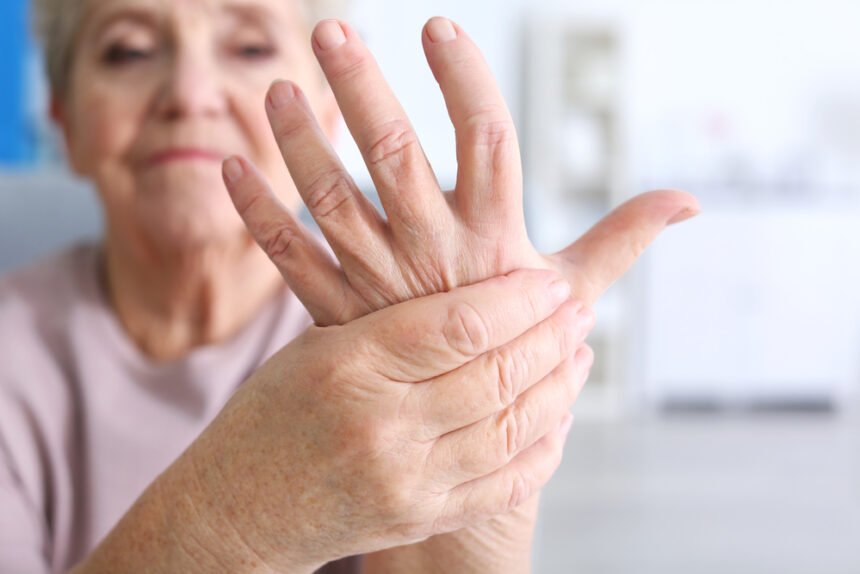
Injury, age, and lifestyle habits are some of the most common culprits behind joint damage. Unfortunately, the human body isn’t quick on self-repair when it comes to joint issues. Damage prevention, rather than repair, is, thus, the most recommendable way to take care of your joints. Here are a few tips to help you curb damage and keep your bones and joints strong and healthy.
1. Be active
Being active doesn’t necessarily mean subscribing to a meticulous workout regimen. You just need to avoid sitting in one place for too long.
People who have desk jobs are the most susceptible to joint strength and flexibility issues. Leaving that chair at least once every day and walking around your backyard or job premises can go a long way toward keeping your joints healthy.
Physical activity bolsters synovial fluid circulation, making bone movement a more seamless affair. Exercise has also been shown to stimulate autophagy, which is the natural way of flushing out damaged cells from the body.

2. Drink Plenty of Water
Water makes up 60 percent of the cartilage in the joints. We must keep our joints hydrated to bolster the production of the synovial fluid and cut back on the risk of cartilage wear and friction pain.
Giving your body a sufficient and constant supply of water can significantly improve your joint health and reduce inflammatory- and gout-induced pain. Water also boosts blood circulation and increases supply to the muscles around the affected joints.
3. Pack on Muscle
Muscles are responsible for supporting your body. If you don’t have enough of them, some of the load is going to be transferred to the joints. Again, to prevent this, you don’t need to go to the gym or adopt an extreme workout plan. Basic weight-bearing exercises are enough to build muscle strength and take the weight off your joints.
Focus on the muscles around your knees and hip, as those are the ones charged with supporting most of your body weight.
Weight-bearing exercises can also help relieve tightness in the quadriceps and adductors, which may help ease pain in the hips and knees.
4. Work on Your Posture
Bad posture puts excessive pressure on parts of your body that are not built to handle it. It narrows your motion range and makes it extremely hard for your joints to transfer body weight to your muscles. Over time, your spine will likely become misaligned, which is an ingredient for even more pain and joint stress.
Paying attention to your posture is often easier said than done, but it is crucial that you avoid hunching and slouching. You should also be conscious of your gait and movement, as these can exert too much pressure on specific muscles, leading to joint deterioration.
5. Try CBD
CBD or cannabidiol is one of the hundreds of compounds that occur naturally in the cannabis plant. It has been used as a pain relief remedy for years, although its legalization in the US came only recently.
If you seem to get joint pain after working out, CBD oil may be worth giving a try. CBD-infused products can be taken orally or sublingually or applied on the skin depending on the condition one is targeting. In the case of joint or muscle pain, topical administration may be recommended.
If you are contemplating giving CBD a go, ensure you get your products from a CBD enthusiast who understands the compound and can answer your questions about it. Some products contain THC – the “high”-inducing cannabinoid – which you may want to avoid. Click here to check out CBD-infused products for easing joint pain.
6. Change Your Diet
Diet is imperative when it comes to keeping any part of the body healthy. What you eat has something to do with how your joints feel, and some foods are known to increase joint strength.
Inflammation is the body’s natural way of repairing and healing itself, as well as fighting off bacteria, viruses, and other foreign invaders. Excessive consumption of meat, saturated fats, sugar, dairy, and other inflammatory foods can worsen joint pain while vegetables, fruits, and whole grains can alleviate inflammation-induced joint pain.
You may also need to up your calcium intake for better bone and joint health. Newly-ingested ones constantly replace the calcium in our bones, and it is worthwhile to ensure the body doesn’t lose more of the mineral than it gains.
7. Reduce Stress
Stress is one of the causes of inflammation, which, as mentioned above, can lead to joint pain. Swollen joints will reduce your mobility and affect your ability to go about day-to-day activities in a normal way.
Fortunately, you can avoid the prospect of this by keeping off things that may stress you.
Ways to avoid stress include:
- Avoiding aggression and being assertive instead
- Trying out relaxation techniques such as yoga and meditation
- Keeping fit
- Seeking social support
- Avoiding dependence on drugs and alcohol to relieve stress
- Getting enough sleep
- Making time for hobbies
- Becoming a better time manager
- Eating a balanced diet
8. Get enough rest
Getting sufficient rest and sleep is underrated as a remedy for joint pain. Resting not only restores energy but also allows your body to repair damaged parts naturally. Additionally, getting enough sleep in between exercise sessions allows the system to cope with the higher energy demands being inflicted on it, hence reducing the probability of joint pain.
9. Eat More Fiber
According to professionals, people who eat foods rich in fiber are less likely to experience inflammatory pain. Fibers have also been shown to stimulate the production of short-chain fatty acids. This helps curb ankylosing spondylitis, rheumatoid, and other forms of inflammatory diseases, as well as body-wide inflammation by creating a good balance of gut microbes.
The Bottom Line
There is no one-size-fits-all remedy for joint pain. You have to try out several regimes and formulations to know what works for you. The above tips provide an excellent place to start, particularly if you can’t trace your joint problem to its cause. Also, consider checking with your primary care physician for a more guided decision.