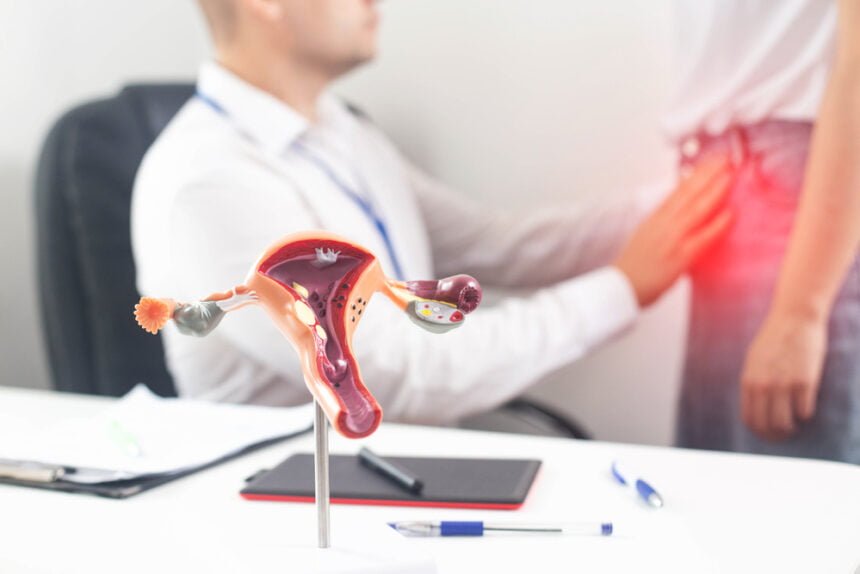
According to medical statistics, more than 30% of women get to develop uterine fibroids by the age of 35, with the majority not knowing about the underlying condition. This is because not all cases of fibroids show symptoms or require treatment, making them hard to be discovered. For most women in this category, the discovery is primarily made as a doctor conducts pelvic exams or prenatal sounds. The main reason why this is possible is that these noncancerous growths greatly range in sizes. In some women, it remains to be the size of small seedlings that cannot be easily detected while in others, it grows to be bulky masses. It is in these instances that the growths start causing symptoms that they become a concern that must be medically treated as fast as possible.
There are different types of fibroids determined by where the growth develops in or on the uterus. The main categories are subserosal fibroids, intramural fibroids, pedunculated fibroids, and submucosal fibroids. While it takes a professional diagnosis to determine the type of fibroids, they typically manifest as;
- Heavy and painful periods accompanied by severe cramping
- Frequent urination
- Pelvic pain or pressure
- Abdomen swelling
- Heavy bleeding between periods, which includes blood clots
- Pain during sex
- Constipation
- Leg pains or backache
These symptoms are never to be ignored as they point to a growth that has rapidly grown and is causing lots of pressure to the uterus and other body organs. Left unattended, the fibroids will continue to grow, and the pain plus bleeding will become more severe and unmanageable. In the worst cases, it can result in fertility problems, given that it mainly affects women in child-bearing age. However, you must never live in discomfort or suffer in silence while risking more complications when fibroids are easily treatable. Advancements in the niche medical area have resulted in the introduction of new techniques that are not only safer but more effective in treating fibroids.
Long gone are the days when fibroid treatment was limited to demanding invasive surgical procedures that saw lots of women shy away from treatment. Today, fibroid specialists have embraced advanced methods for the diagnosis and treatment of the noncancerous growths. These non-surgical treatments have opened a channel that all women with uterine fibroids can rely on to find relief. Instead of being limited in options, these procedures offer the following benefits;
More Read

- A suitable alternative to hysterectomy. For long, many women were confined to hysterectomy, which is a surgical procedure that involves removing the uterus for treating fibroids. This left them in a tight spot as; on the one hand, they are still at the prime of their child-bearing ages and on the other hand, is the unbearable pain. Modern non-surgical procedures make this a worry of the past as they give women suitable options where they are not limited in options. Instead of being scared, these procedures are a relief that solves the problem without necessitating patients to make other sacrifices.
- No abdominal scarring. Since patients are subjected to a non-surgical procedure, there is never the worry about having abdominal scarring. Instead, patients get to undergo the Uterine Fibroid Embolization that is performed with seasoned radiologists using advanced equipment. As such, there is no need for making large incisions on the abdomen, as would be the case with traditional treatment methods.
- A short procedure that does not require hospitalization like Outpatient Hysterectomy Center. You never need hospital admission for the treatment of fibroids, as lots of complications and risks have been eliminated. The short non-surgical procedure that takes an hour to complete will see to it that you are treated and allowed to go back home without much hassle. No general anesthesia is used, and this makes it better as one does not have to bear its side effects.
- Quicker recovery and assurance on the improvement of the quality of life. After the procedure, one will require a short healing period and be ready to go back to work after one or two weeks. It is, therefore, a procedure that will not necessitate putting your professional or business life on hold. The best part is that the treatment method is highly effective and keeps the fertility options of women open. It also frees women from the pain and discomfort of living with fibroids enabling them to have the deserved happiness.