By using this site, you agree to the Privacy Policy and Terms of Use.
Accept
Health Works CollectiveHealth Works CollectiveHealth Works Collective
  • Health
    • Mental Health
  • Policy and Law
    • Global Healthcare
    • Medical Ethics
  • Medical Innovations
  • News
  • Wellness
  • Tech
Search
© 2023 HealthWorks Collective. All Rights Reserved.
Reading: Caregivers, Don’t Forget to Wash Your Hands, It Saves Lives
Share
Notification Show More
Font ResizerAa
Health Works CollectiveHealth Works Collective
Font ResizerAa
Search
Follow US
  • About
  • Contact
  • Privacy
© 2023 HealthWorks Collective. All Rights Reserved.
Health Works Collective > Policy & Law > Public Health > Caregivers, Don’t Forget to Wash Your Hands, It Saves Lives
Public Health

Caregivers, Don’t Forget to Wash Your Hands, It Saves Lives

CareRxPharmD
CareRxPharmD
Share
0 Min Read
Image
SHARE

Image


  • ~2 million hospital patients get infections each year.
  • That’s about 1 infection for every 20 patients.
  • Infections that patients get in the hospital can be life-threatening and hard to treat.

In a recent survey conducted by KRC Research for the global hygiene company, Americans aren’t washing their hands as much as they should. Survey interview of 1,000 adults across the country found that

Contents
  • According to the
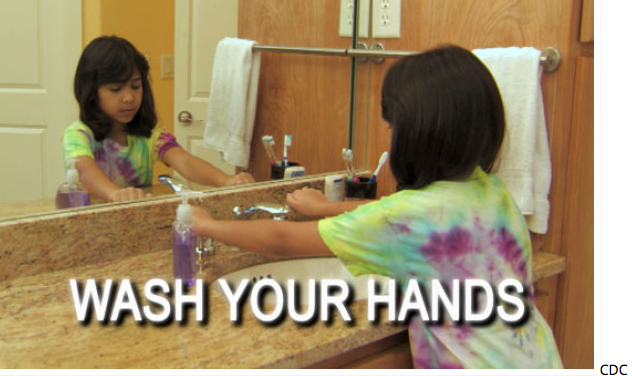
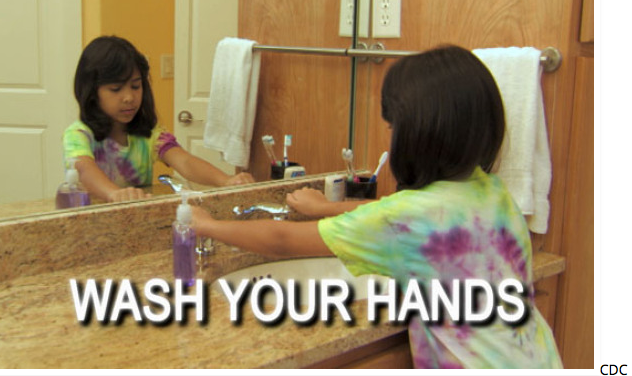
    • Hand hygiene is one of the most important ways to prevent the spread of infections. Keeping hands clean is one of the best ways to prevent the spread of infection and illness. Hand washing is easy to do and it’s one of the most effective ways to prevent the spread of many types of infection and illness in all settings—from your home and workplace to child care facilities and hospitals. Clean hands can stop germs from spreading from one person to another and throughout an entire community.
  • 71 % claimed to wash their hands on a regular basis
  • 58% have witnessed others leave a public restroom without hand washing
  • 35% have witnessed a co-worker leave the restroom without hand washing
  • 20% have witnessed a restaurant worker leave the restroom without hand washing

Excerpt from the 2006 Minnesota Hand washing Tool Kit also revealed the following statistics: American Society of Microbiology studies showed:


  • 97% of females and 92% of males say they wash
    • of these only 75% females and 58% males washed
  • 50% of middle and high school students say they wash
    • of these 33% of females and only 8% of males used soap while washing hands


More Read

Free Physician Rating and Medical Q&A Forum at Avvo.com
America Has A Health Care Paradox
Do-It-Yourself Death Panel
Alzheimer’s Plaques Might Begin in the Liver
Stopping the Revolving Door of Avoidable Readmissions [VIDEO]

Hand hygiene is one of the most important ways to prevent the spread of infections. Keeping hands clean is one of the best ways to prevent the spread of infection and illness. Hand washing is easy to do and it’s one of the most effective ways to prevent the spread of many types of infection and illness in all settings—from your home and workplace to child care facilities and hospitals. Clean hands can stop germs from spreading from one person to another and throughout an entire community.


Facts of the effects of hand washing:

  • It is estimated that washing hands with soap and water could cut diarrheal disease-associated deaths by up to 50%
  • A large percentage of foodborne disease outbreaks are spread by contaminated hands. Appropriate hand washing practices can reduce the risk of foodborne illness and other infections
  • Hand washing can cut the risk of respiratory infections by 16%
  • The use of an alcohol gel hand sanitizer in the classroom provided an overall reduction in absenteeism due to infection by 19.8% among 16 elementary schools and 6,000 students

When to wash your hands? According to CDC,

  • Before, during, and after preparing food
  • Before eating food
  • Before and after caring for someone who is sick
  • Before and after treating a cut or wound
  • After using the toilet
  • After changing diapers or cleaning up a child who has used the toilet
  • After blowing your nose, coughing, or sneezing
  • After touching an animal or animal waste
  • After handling pet food or pet treats
  • After touching garbage

Sources

  1. Handwashing: Clean Hands Save Lives. http://www.cdc.gov/handwashing/index.html
  2. Hand Hygiene in Healthcare Settings.  http://www.cdc.gov/handhygiene/Basics.html#posters
  3. World Health Organization. Water for health: taking charge. 2001


TAGGED:hand-washing
Share This Article
Facebook Copy Link Print
Share

Stay Connected

1.5kFollowersLike
4.5kFollowersFollow
2.8kFollowersPin
136kSubscribersSubscribe

Latest News

post-surgical recovery
Your Guide To Key Milestones In At Home Post-Surgical Recovery
Health Infographics
December 14, 2025
Dehydration Poses Serious Risks For Older Adults
Why Dehydration Poses Serious Risks For Older Adults
Infographics Senior Care
December 14, 2025
care settings
Hidden Risks In Care Settings: Who Faces The Greatest Threat From Healthcare-Associated Infections
Global Healthcare Health care Infographics
December 14, 2025
Medical Appointment
From Scheduling To Follow-Up: The Full Lifecycle Of A Medical Appointment
Infographics Medical Education Policy & Law
December 14, 2025

You Might also Like

My HIMSS Prescription for Basic Survival and Optimal Enjoyment

February 14, 2014
Health carePublic HealthWellness

Are Non-12 Step Programs the Future of Rehab?

June 5, 2017
unmet recovery needs
FinancePublic Health

“Unmet Recovery Needs” We Must Address

August 6, 2014

CMS and Transitional Care Management Reimbursement Expansion

January 20, 2014
Subscribe
Subscribe to our newsletter to get our newest articles instantly!
Follow US
© 2008-2025 HealthWorks Collective. All Rights Reserved.
  • About
  • Contact
  • Privacy
Welcome Back!

Sign in to your account

Username or Email Address
Password

Lost your password?