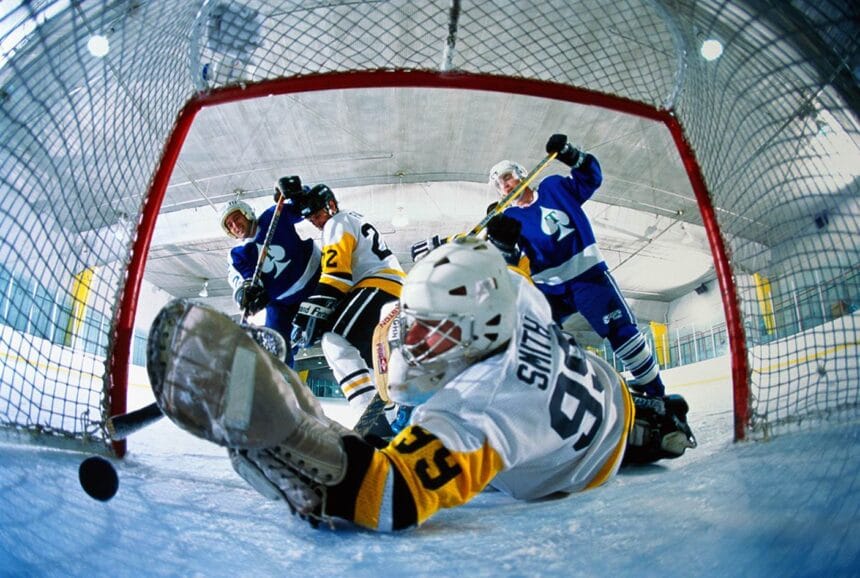
Concussions are a significant concern in sports of all levels. They occur when a blow or jolt to the head causes the brain to move rapidly inside the skull, potentially leading to temporary loss of normal brain function. While awareness has increased in recent years, concussions remain common, and understanding their prevalence, causes, and prevention strategies is critical for athletes, coaches, and parents.
How Common Are Concussions?
Estimates suggest that millions of sports-related concussions occur in the United States each year. High-contact sports such as football, hockey, and soccer report the highest incidence rates. Studies indicate that youth athletes are at particular risk because developing brains may be more susceptible to injury. Approximately 15% of high school athletes in contact sports experience at least one concussion per season. Collegiate and professional athletes also face significant risks, though monitoring and protocols are generally more stringent at higher levels.
Recurrent concussions increase the risk of long-term complications. Athletes with multiple head injuries may experience chronic symptoms such as headaches, memory impairment, difficulty concentrating, and mood changes. Understanding prevalence helps highlight the need for proper diagnosis and consistent safety protocols across all sports.
Causes and Risk Factors
Concussions often result from direct blows to the head, face, or neck, but they can also occur from sudden acceleration or deceleration, such as whiplash. Contact sports are naturally higher risk. Football players are frequently affected during tackles, while ice hockey players can experience concussions from collisions, falls, or puck impacts. Soccer athletes may sustain head injuries from heading the ball or accidental collisions with other players.
More Read

Age and sex may influence concussion risk. Studies show that female athletes in comparable sports may report higher rates of concussions, possibly due to differences in neck strength and reporting behavior. Proper equipment and technique can reduce risk but cannot eliminate it entirely.
Recognizing a Concussion
Symptoms of a concussion vary widely. Some athletes experience immediate loss of consciousness, while others may remain awake and alert but display confusion, dizziness, headache, nausea, or visual disturbances. Emotional changes such as irritability or sadness are also common. Because symptoms can be subtle or delayed, prompt evaluation by a healthcare professional is crucial.
Standard assessment protocols often include symptom checklists, cognitive testing, and balance evaluations. Baseline testing at the start of a season allows medical staff to compare post-injury function and make informed decisions about safe return to play.
Prevention and Safety Strategies
Preventing concussions requires a multi-faceted approach. Proper training in sport-specific techniques, strengthening exercises for neck and core muscles, and adherence to safety rules can reduce the likelihood of injury. Protective equipment, such as helmets, mouthguards, and padding, plays a role, though it cannot completely prevent concussions.
Equipment fit is particularly important. For hockey, using the correct gear size can influence both safety and performance. Consulting a reliable hockey stick sizing chart ensures players select sticks appropriate for their height and strength, which helps reduce awkward positioning that may contribute to head impacts during play.
Rule enforcement and education also matter. Coaches, referees, and players need consistent messaging on the importance of reporting head injuries and avoiding high-risk behaviors. Early recognition and removal from play after a suspected concussion remain the most effective strategies for preventing further injury.
Concussions in sports are common and serious. Recognizing the signs, understanding risk factors, and implementing prevention strategies can reduce injuries and protect athletes’ long-term health. Continued education for players, coaches, and parents is essential, along with proper use of equipment and adherence to medical guidelines, ensuring that participation in sports remains both safe and enjoyable. For more information, check out the infographic below.