 It’s the number one killer in America, and for some it can have a dramatic presentation. For the nearly half of Americans who have heart disease, risks of suffering from a dangerous heart rhythm are high. But sudden cardiac arrest (SCA) can also happen to anyone anywhere without warning, and in the US, 1000 people die every day from SCA.
It’s the number one killer in America, and for some it can have a dramatic presentation. For the nearly half of Americans who have heart disease, risks of suffering from a dangerous heart rhythm are high. But sudden cardiac arrest (SCA) can also happen to anyone anywhere without warning, and in the US, 1000 people die every day from SCA. The survival rate for out-of-hospital cardiac arrest remains grim. Only 8% of these victims make it out alive. With prompt first-responder CPR (and defibrillation), though, the chance at life greatly increases. Because “time is brain,” every second counts before bloodflow is restored.
What if someone on foot could be dispatched even faster than ambulance or fire truck? A Good Samaritan a few blocks away or even in the next grocery aisle may know CPR and could make the difference between life and death. But they wouldn’t know about the emergency until the sirens are blaring, and by then it may be too late.
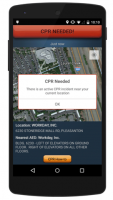
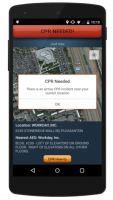
Some may call it an Uber for CPR, but they prefer to be called PulsePoint. PulsePoint is a new smartphone app and dispatch service that connects nearby CPR-trained first responders to victims in real-time. First responders who opt-in to the free service are alerted to the emergency by push notification on their iOS or Android smartphone and are directed to the scene. It can also locate the closest public access automatic external defibrillator (AED).
.jpg)
Though it’s not yet available in all areas, PulsePoint partners with local agencies and connects over 700 communities’ computer dispatch systems to their platform from coast to coast. Not unlike Uber, each locales dispatch system must operate independently given the varying regulations from city to city. Crowdsourcing this lifesaving skill has already had a number of documented saves, and PulsePoint has received national media attention for it.
Not that you’ll be given a star rating, but now may be a good time to brush up on your CPR technique. You never know when your call to be the superhero of the day may come in.