David Davidovic
David Davidovic
(Editor’s note: This exclusive post is from our latest member of the HealthWorks Collective Advisory Board, Mr David Davidovic. David has held leadership postions in biotechnology and pharmaceutical organizations for over 33 years. He is currently Founder and President of PathForward, providing advisory and management support to healthcare ventures. We heartily thank David for this thought-provoking post)
Many people who are generally healthy tend to overly worry about their health. At the most extreme, clinically hypochondriac state, people believe they are ill when they are not.
These days we are seeing similar behaviors not quite in the same vein, but not too far either. People who are generally healthy but who worry, and sometimes obsess, about maintaining their health status. Not that they are ill, but that they are worried about becoming ill. These are the “Worried Well”.
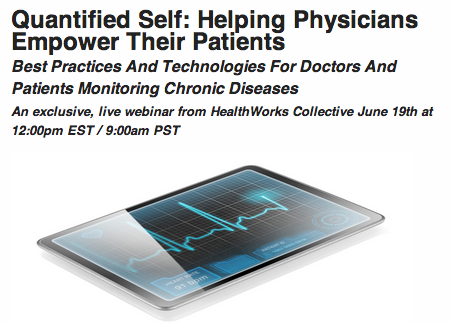
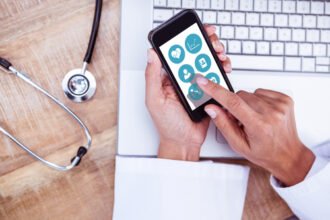
Mobile health, wearables, fitness monitors, genomic tests, health trackers, etc. etc. are enjoying great interest and early adoption among the Worried Well. Of course, the benefits and promises of these tools are exciting and really valuable in our quest to improve health; many articles have been written here in Healthworks Collective and elsewhere about the exciting possibilities.
I have very healthy friends who wear both a Fitbit AND a Jawbone UP, and if they could they would also wear a Nike Fuel band. Other friends use not one but two heart monitors and displays during exercise. Someone else I know, without any heart health history, is ready to buy an EKG sensor and app. I just counted the number of health apps on my iphone – found 34 of them, some of them I don’t even remember what they do. A large proportion of new ventures coming out of start-up accelerators are in this same space and we’ll continue to see their proliferation. The big question is: Are these devices, applications and services reaching and being adopted by those who truly need them?
We all have a parent or an aunt or a neighbor who is constantly talking about his or her health and visiting doctors for what we would call “just in case” reasons. Arguably, these are drains on our already stretched healthcare system. One could also argue that the new devices and tools make self-monitoring even easier and more frequent, resulting in people having more practical and quantified signals driving them to seek medical opinions. Are we building a potential tsunami with hundreds of thousands of people watching their body functions 24/7 with great anticipation that there will be a deviation or red alert, ready to make that doctor visit?
These points do not take away from the many valuable benefits and promises of these innovations. However,we have a collective need and obligation to drive their use to those who truly need them, otherwise they may become just gimmicks and fade away when the interest among early adopters fades away. This is not an easy thing to do, as evidenced by the difficulty with medical advice or treatment compliance among many health populations. To get there, it is valuable to understand what are the drivers and motivations among all users; understanding these behaviors is only one element towards driving adoption and and utilization by those who need them most and for the right reasons.
image: self-monitor/shutterstock