We use cookies, including third-party cookies from Google to serve personalized ads through AdSense, to operate this site and understand how it is used. By continuing to browse, you accept this use. See our Privacy Policy and Terms of Use for details, including how to opt out of personalized advertising.
Accept
Health Works CollectiveHealth Works CollectiveHealth Works Collective
  • Health
    • Mental Health
  • Policy and Law
    • Global Healthcare
    • Medical Ethics
  • Medical Innovations
  • News
  • Wellness
  • Tech
Search
© 2023 HealthWorks Collective. All Rights Reserved.
Reading: Value of mHealth via Evidence-Based Initiatives
Share
Notification Show More
Font ResizerAa
Health Works CollectiveHealth Works Collective
Font ResizerAa
Search
Follow US
  • About
  • Contact
  • Privacy
© 2023 HealthWorks Collective. All Rights Reserved.
Health Works Collective > eHealth > Mobile Health > Value of mHealth via Evidence-Based Initiatives
Mobile Health

Value of mHealth via Evidence-Based Initiatives

StevenShie
StevenShie
Share
3 Min Read
SHARE

Earlier this week,  the pharma company Boehringer Ingelheim launched a study to evaluate a digital technology enabled self-management solution to potentially improve the health of patients with Type 2 diabetes. The study, called SMART, aims to personalize the disease management for patients via a program delivered through web and smartphone.

Earlier this week,  the pharma company Boehringer Ingelheim launched a study to evaluate a digital technology enabled self-management solution to potentially improve the health of patients with Type 2 diabetes. The study, called SMART, aims to personalize the disease management for patients via a program delivered through web and smartphone. According to a press release, the program will include a personalized action plan with health behavior improvement goals, a wireless glucose meter transmitting data to clinical monitors and HbA1c self-test kits.
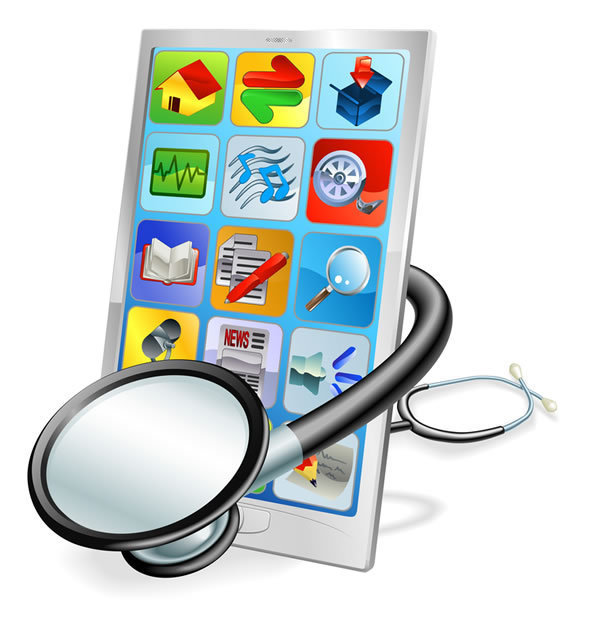
Photo Credit: www.ahcpofva.com

Photo Credit: http://www.ahcpofva.com

Using mobile devices for diabetes management is nothing new–many patients have been using iPhone-connected insulin pump for years and there have been hundreds of mobile apps that offer diabetes management supports. What makes the SMART study unique is that the program will combine medical claim data and evaluate its impact on medical and pharmaceutical cost, clinical care and consumer behavior modification. These real-world data will be helpful for us to get answers to some of the important questions in mobile health while we are moving to an outcome-based and patient-centric model–Can mobile health drive patient outcome? Will mobile health really reduce cost? What therapeutic areas may benefit the most from mobile health?

Studies like SMART will be increasingly important as mobile health initiatives are being carried out across the health care landscape–from clinical research, disease prevention, medical intervention to rehabilitation. We need to understand whether these efforts eventually work or how we can make them work.

More Read

BYOD, Telehealth and a Value Proposition
Strategy and Practice Intertwine in a New Social Media Book by the Mayo Clinic
Patient-Centered Mobile Apps for Chronic Illness
Driving Down the Real Cost of Healthcare: Pediatric and Teen Medical Homes
TruTouch Technologies Receives US Patent For Non-Invasive Alcohol Detection Device

An article published online last week in the American Journal of Preventative Medicine highlights the importance of demonstrating evidence in mobile health. The article summarizes discussions among a variety of health care stakeholders during a workshop at NIH. It concludes “whether mHealth leads to better overall health outcomes and reduced disease burden is still unknown” and “rigorous research is needed that examines the potential, as well as the challenges, of using mobile technologies to improve health outcomes.”

SMART is launched at a time when “big pharma” has begun to consider how to shift its role from “selling drugs” to “managing patients’ health journey.” Mobile health may offer tremendous opportunities to make this happen. But first, let’s find some evidence.


 

TAGGED:digital technologySMART
Share This Article
Facebook Copy Link Print
Share

Stay Connected

1.5KFollowersLike
4.5KFollowersFollow
2.8KFollowersPin
136KSubscribersSubscribe

Latest News

Before Sterilization Begins: Why Bioburden Testing Matters -- AI-generated illustration
Before Sterilization Begins: Why Bioburden Testing Matters
Health Infographics
September 11, 2026
Hidden Cybersecurity Roadblocks That Can Complicate FDA Submissions -- AI-generated illustration
Hidden Cybersecurity Roadblocks That Can Complicate FDA Submissions
Infographics Policy & Law Technology
September 11, 2026
Smaller, Lighter, Smarter: How Inflation Is Changing Wellness Packaging -- AI-generated illustration
Smaller, Lighter, Smarter: How Inflation Is Changing Wellness Packaging
Infographics Wellness
September 11, 2026
How Roof Deterioration Affects Indoor Air Quality and the Health of Building Occupants -- AI-generated illustration
How Roof Deterioration Affects Indoor Air Quality and the Health of Building Occupants
Health
September 10, 2026

You Might also Like

Will FDA Stifle Innovation in Diagnostic Software?

July 24, 2011

AirStrip: Bringing mHealth to the Desktop

July 4, 2013

SaaS Firm Crowdfunds “People-Focused” Image Sharing

January 25, 2014

The PCMH and Home Care Data: An Interview with Melissa McCormack

December 19, 2013
Subscribe
Subscribe to our newsletter to get our newest articles instantly!
Follow US
© 2008-2026 HealthWorks Collective. All Rights Reserved.
  • About
  • Contact
  • Privacy
Welcome Back!

Sign in to your account

Username or Email Address
Password

Lost your password?