If America is one of the world’s richest nations, why is our population sicker and more likely to die earlier than those in other wealthy countries?
If America is one of the world’s richest nations, why is our population sicker and more likely to die earlier than those in other wealthy countries?
A surprising report from the National Academies brings to light that although Americans spend more per capita on healthcare, our citizens are in poorer health — with shorter life spans and more chronic disease as compared to other affluent nations.
The American healthcare system accounts for 16% of the country’s economic output. As the population ages, spending on Medicare and Medicaid alone is estimated to make up 12% of the nation’s spending by 2050.
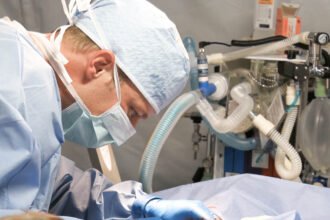
Emergency room visits are one of the most expensive places to receive care, driving healthcare expenditures through the roof. According to HHS and the CDC, there were 136.1 million emergency room visits in 2009, averaging a price tag of $1,318. For the uninsured and persons age 45-64, the cost was even higher ($1,397 and $1,696 respectively).
ER visits contribute to skyrocketing costs. For comparison, consider that an office-based physician visit averages $199 while a home-based skilled nursing visit is about $140.
ER visits and the aging population
Older adults make up nearly one quarter of all emergency room visits, a total of 16.7 million visits in 2005. This utilization is expected to surge to 11.7 million patients annually by 2013. Not only do older adults use the ER at a higher rate, they also have longer stays more hospitalizations and readmissions.
Why is the ER a critical access point for care among elderly Americans? The presence of multiple co-morbidities or chronic illness, a high prevalence of cognitive disorders, and frailty contribute to delayed or inaccurate diagnosis complicating treatment and leading to more emergency rooms visits.
Successful discharge is another challenge that dominos from older adult’s high utilization of the ER. While care coordination efforts are now improving care transitions from hospital to home, more work is needed to identify innovative solutions for enhancing care transitions for seniors. Medication management, social support, and environmental factors can contribute to high re-hospitalization and re-admission rates among the aging population.
Geriatric emergency rooms
Recognizing the need for care suited to the aging population, institutions have launched geriatric-specific emergency room care. Geriatric ER’s have popped up around New Jersey, New York, Maryland, and other states.
These specialized facilities take into account ambient changes relevant to aging persons, including the addition of nonskid floors, extra railings, and thicker mattresses to reduce bedsores. Specialized care plan improvements are also being tested to enhance the role of particular providers: A pharmacist may review medication lists to check for dangerous interactions and nurse may perform a home visit to assess the risk for falls.
While the geriatric ER presents a step in the right direction, the outcome of these programs is still unclear.
Have you had an ER experience as a caregiver or elder care provider? How do you think the system can be improved?




_3-250x220.jpg)