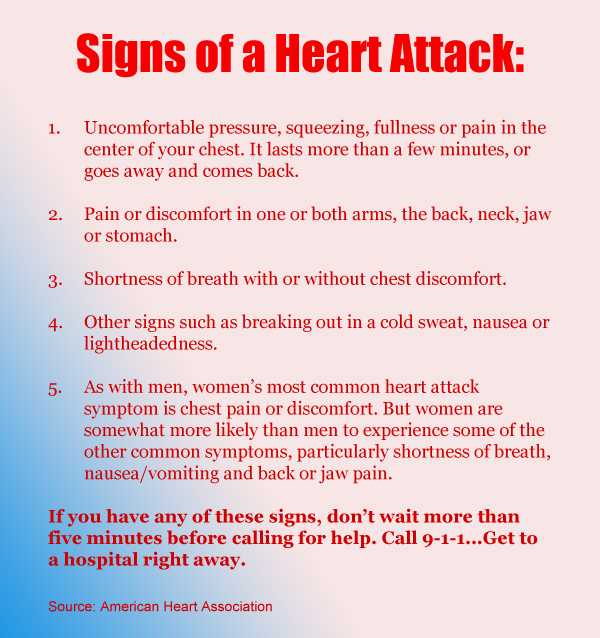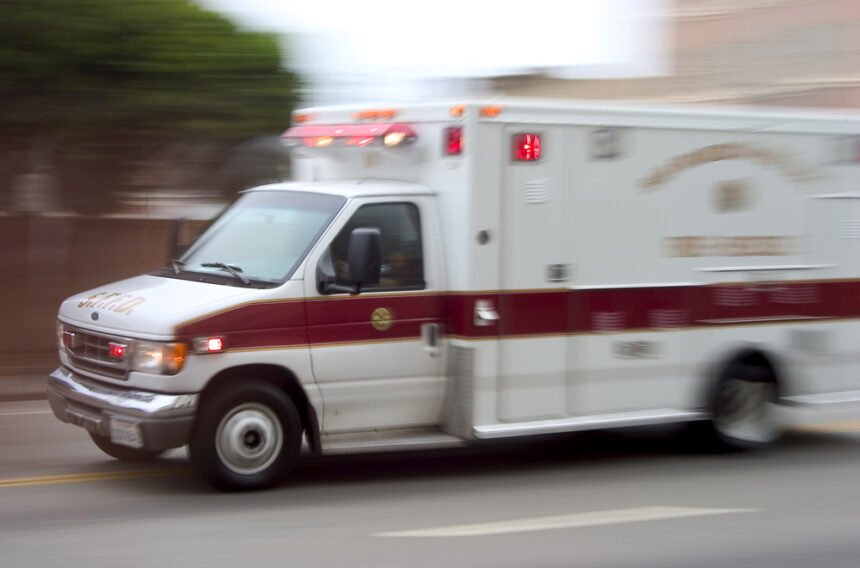
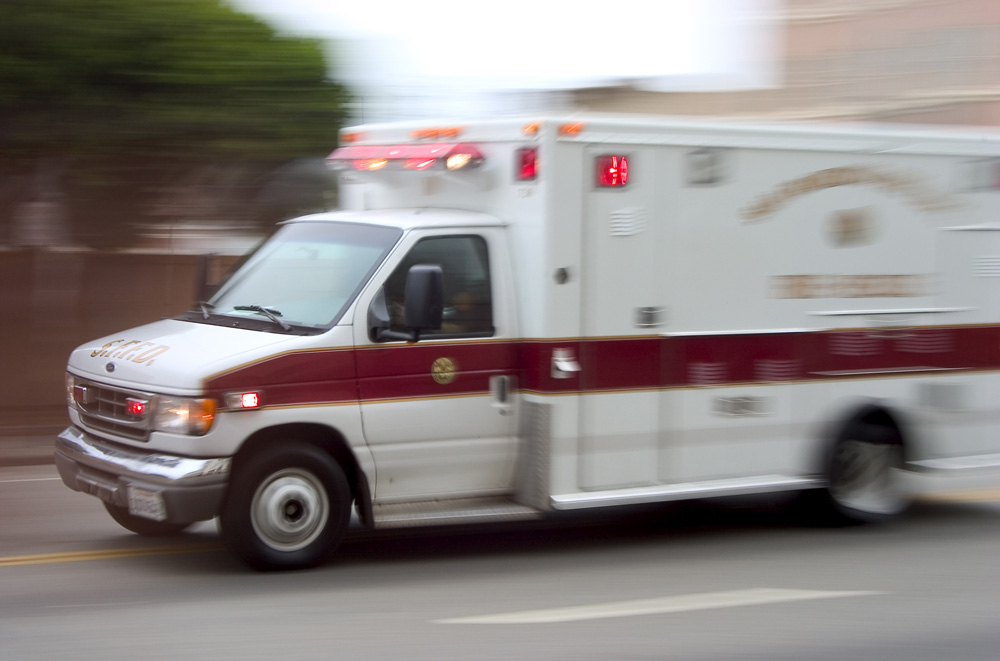
If you are having signs of a heart attack – chest discomfort or pain, perhaps with pain or discomfort in other parts of the upper body; shortness of breath; a cold sweat and/or nausea – you know to call 911. An ambulance will arrive at your home and take you to the hospital.
If you are having signs of a heart attack – chest discomfort or pain, perhaps with pain or discomfort in other parts of the upper body; shortness of breath; a cold sweat and/or nausea – you know to call 911. An ambulance will arrive at your home and take you to the hospital.
Now, patients with heart attack symptoms who are transported to Northwest Hospital will have an added benefit. Thanks to the LIFENET System from Physio-Control, Inc., information about the patient’s condition will arrive at Northwest’s ER-7 before the ambulance does. Immediately after the emergency medical services (EMS) team in the ambulance takes a 12-lead EKG that monitors a patient’s heart rhythm, the results will be sent to the cardiac care team at Northwest. This allows the hospital to better prepare for the patient’s arrival.

“Knowing more about a patient’s vital signs and what kind of heart attack he or she is having can help us speed up treatment,” says Anthony Majeran, R.N., quality nurse coordinator in the ER-7 specializing in chest pain. “Even if the patient is not having a heart attack but is experiencing a rapid heart rate, he or she can be given the appropriate medications or treatments prior to arrival.”
Each year, about 400,000 people in the U.S. have a type of heart attack known as ST-segment elevation myocardial infarction, or STEMI. With a STEMI, the blockage in the coronary arteries is so severe so as to damage large portions of the heart muscle. For these patients, getting the artery or arteries in their heart unblocked as soon as possible is important – it could save their lives.
EKG transmission via LIFENET allows the emergency room physician to determine if the patient is having a STEMI and needs the ambulance to bring the patient directly to Sinai or a hospital that has a lab specializing in percutaneous coronary intervention (PCI). There, a balloon angioplasty can be done to remove the blockage in the coronary artery that’s causing the heart attack. In other cases the patient can be safely transported to a non-PCI center.
“Like stroke, treating heart attack as quickly as possible helps bring about the best outcomes for patients,” says Anthony. “LIFELINE helps our cardiac care team make some decisions ahead of time, ensures that the patient is routed to the most appropriate facility and helps shave minutes off the door-to-balloon time.”
Sinai Hospital also uses LIFENET System. However it’s fairly currently unusual for a community hospital like Northwest to utilize this technology. Thanks to LIFENET, it’s thought that more lives in northwest greater Baltimore will be saved.
If you think you are having a heart attack (see list of symptoms below), please call 911. Studies show that women are a lot less likely than men to do this, but perhaps that’s because many times their symptoms are different. Item #5 below can help women understand how they may experience a heart attack differently.