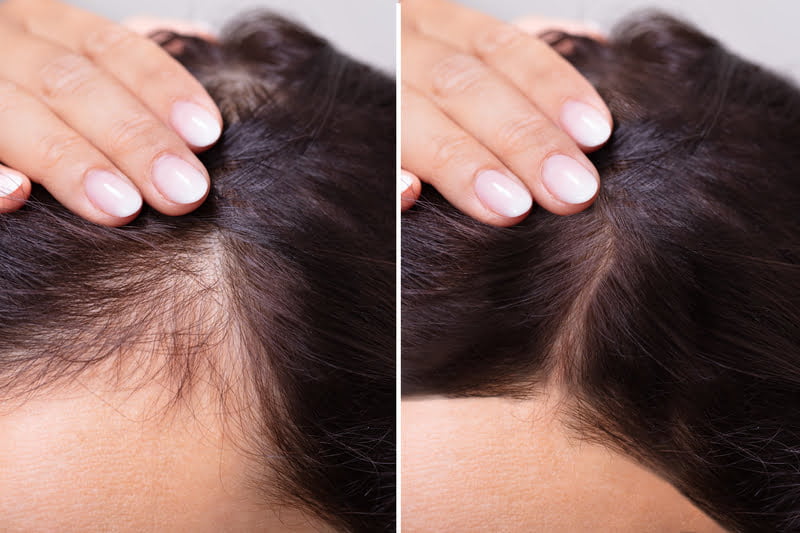
Knowing your hair type and texture is the single most important step in knowing how to style your hair. There’s all sorts of hair care products and ways of achieving the best look, today we’ll talk about how to make the most out of your hair by combing it, taking care of it and styling it to perfection according to your hair type!
What Determines Your Hair Type?
Hair types are determined by your scalp and follicles. Like any other part of your body, hair can display different shapes and sizes, from round and flat to oval-shaped follicles, seen in curly hair types. There’s loads of different hair types and some of them are mixed, which means they display intermediate qualities (and can have the best of both worlds!).
Let’s look at the most important hair types and how to style them!
Type 1: Flat Hair
Naturally-flat hair is generally thin and lacks a bit of volume, so you should find a layered hairstyle if you don’t want to go for a trim cut and solve the problem the “hard way”. The former is the best way of achieving proportionality between your hair, face and body. You also want to avoid giving your face a “flat look,” so make sure you use shampoos or oils that are light enough. Heavy products will only get more volume off your hair.
More Read

Type 2: Thin hair
Similarly to flat hair, thin hairs should do all they can to keep a maximum of meat on top. A good way of doing this is by combing your hair without “effilage”. If hair is too thin, it will have a tendency to follow the headline and its natural movement following gravity. Don’t fight this, but make sure you give some fluffiness without making it look like you’ve been electrified!
Type 3: Thick Hair
Short trimming is not the only way to go for thick hair. You might want to go for a semi-long style! By giving texture or “effilage” you will give lightness and movement to your hair, to achieve a more balanced appearance. You might want to add some definition with hair gels too, so you can play around, as this hair type is hard to tame!
Type 4: Flat and Curly
Here comes the in-between #1! This hair is neither flat nor curly, but a bit of both, which means you will be able to play around a lot! One of the most popular hairstyles for this one is the casual surfer look, which can be greatly accomplished by adding some texturizer foam on the tips. Make sure you don’t reach the root with the foam, however, else it might get too oily.
Type 5: Elastic-Curly
By this type of hair we mean the scope that goes from type 4 to very curly. There’s many styles you can go for with elastic-curly hair, but we should talk about taming it first. Conditioner and curl cream will probably do the trick. Our suggestion is to go for a semi-long and try a bit of a Caribbean style, surfer-like as the one before (see Matthew McConaghew for inspiration, gents).
Type 6: Voluminous and Greasy
If you have this type of hair, you are blessed. Voluminous and greasy is the easiest to turn into an astonishing look that will totally dazzle everyone. You will have to take great care of your hair, however, to make it shiny, clean and defined. You might want to curl it a bit if you’re rather flat, but above all you don’t want to keep this one short, so let it grow and give yourself a measured-messy look!
Type 7: Hairstyle for Hair Loss
Experiencing hair loss doesn’t mean you need to shave your head bald or wear a wig like Donald Trump! A mid-long look with hair combed forward, English-style, will do the trick. If your hair loss is in an advanced stage, however, avoid the side-comb and shave your head instead, it might look very good on you! Just try it out and see what your friends say about it. If not, the price of a hair transplant in Turkey makes it worthwhile to travel for a regrowth procedure. As you probably know, Turkey is renowned for its medical standards and affordable prices.
Let Your Hairdresser Do Its Art
As a last piece of advice for you today, hairdressers are professionals always willing to experiment and try new things out. So don’t be afraid of going and asking: ‘do whatever you want and just go crazy on me!’ You’ll make their day, and good things happen to those who dare!