Thanks to technological advances, healthcare has changed dramatically in recent years. Modern science allows doctors to diagnose their patients more accurately and provide better treatment. Medical tools are nowadays used in healthcare not only to save lives but to improve the overall quality of one’s life.
It looks like that, in 2018, the application of technology in healthcare will make this industry more futuristic. Quite awesome news, right? So, here’s a look at some of the top technologies that offer huge promise this year.
Precision Oncology Medications

More Read

In 2018, digital technologies will begin to transform current forms of cancer care. The start-up company Foundation Medicine has plans to infuse cancer treatment with cancer genomics, which will offer information pertaining to particular treatments based on patient DNA tests.
There have also been significant improvements in immunotherapy, which has the ability to launch a completely new age of treating cancer. In 2016, liquid biopsies were introduced and in 2018, they are more accessible for patients around the world.
Information Technology in Healthcare is Widely Adopted
There’s no denying that information technology has made incredible contributions to various aspects of life, and in 2018, the healthcare industry will be largely impacted by IT. There will be an increase in the use of electronic medical records, more telehealth services will become available, and the use of mobile devices by physicians will become more commonplace. 
Telecommunications can connect patients to doctors who are thousands of miles away. Things like video chat will allow patients and doctors to communicate with each other, which saves both time and money.
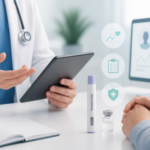
Tablets and smartphones provide doctors with instant access to the information that they need, whether it’s information about medications, the results of research studies, information about medical tools, such as medical alert reviews, or patients’ records. They can also use mobile devices to instantly send prescriptions to pharmacies.
Significant Advances in Diabetes Care
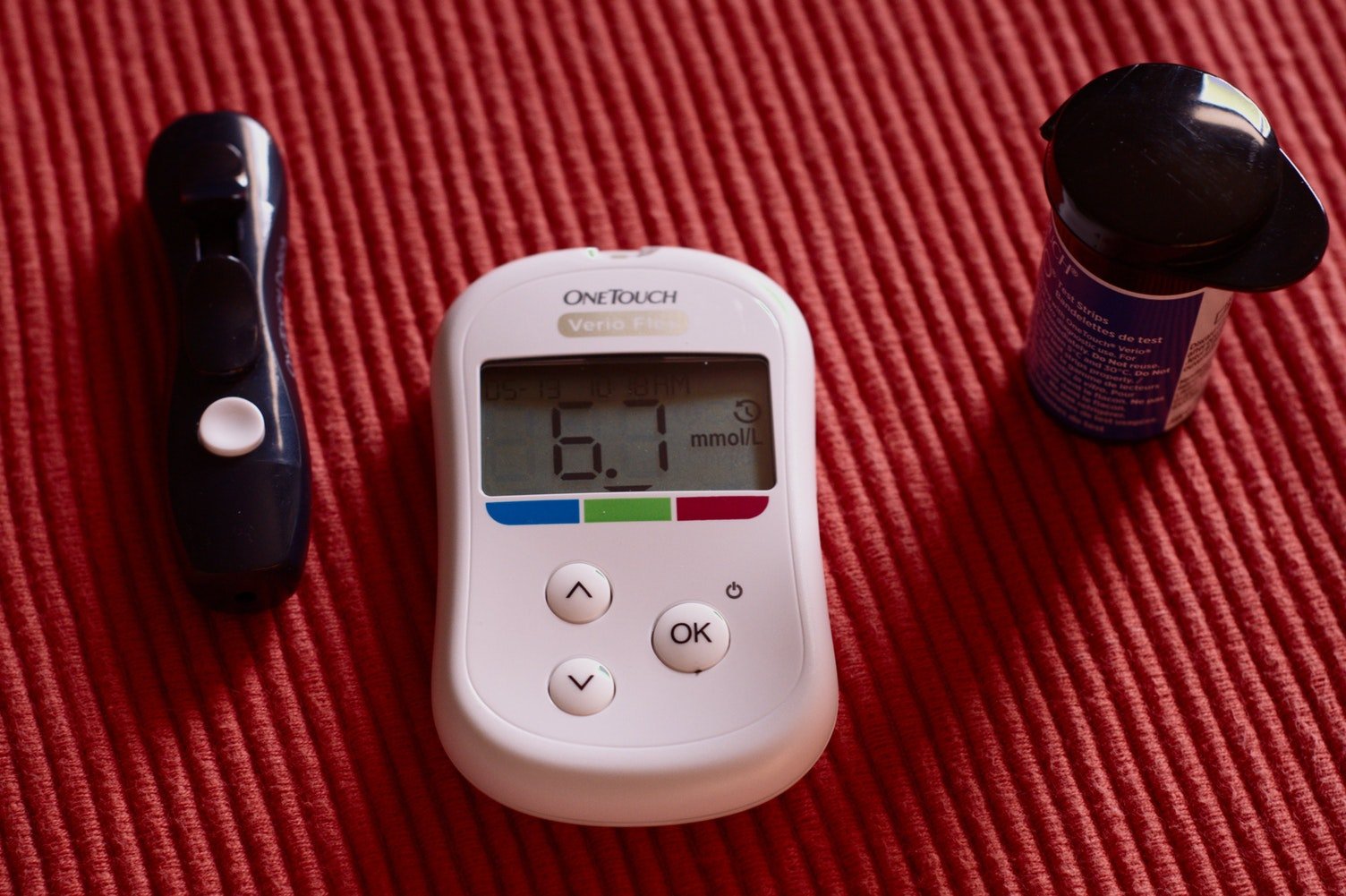
In 2016, the FDA approved the first-ever artificial pancreas. The tool continuously monitors the wearer’s blood sugar and instantly provides insulin when it detects it is needed. Essentially, this device is a replica of the pancreas and acts just as the organ would on its own.
In 2018, the artificial pancreas will become more accessible to people living with diabetes around the world. The device can improve a patient’s overall quality of life, as it constantly monitors blood sugar and simplifies the administration of insulin.
The artificial pancreas isn’t the only thing that will improve diabetic care in 2018. Google has patented a contact lens that can actually measure a patient’s blood glucose levels from his or her tears.
The technology giant has partnered with Novartis, a pharmaceutical company, and the two are working together on the technology. Though a lot of work still has to be done on the glucose-reading contact lens, it is believed that it will be available in the next few years.
Artificial Intelligence in Clinics
IBM is using their artificial intelligence program, Watson, to change the healthcare system and make it into a more quantifiable industry. Physicians will be able to use this technology so that they only have to assess their personalized reports for a patient instead of sifting through each patient’s case.

Currently, this technology is being used in radiology and oncology, but IBM has suggested that they will be making Watson available for physicians to use throughout US clinics.
Though this technology doesn’t answer specific medical questions, it does come up with the most relevant outcomes based on a patient’s data. This technology will assist doctors in diagnosing their patients.
NASA-Inspired Command Centers in Hospitals
This year, some hospitals are starting to implement command centers that are inspired by NASA. These command centers serve as a central mission control for the services and functions that the hospitals that use them offer.
The goal of using these command centers is to improve the quality of care they provide and reduce wait times. By the year 2020, it is believed that these command centers will become a crucial feature in hospitals around the globe.
These and other technological advances are drastically improving healthcare. By improving the quality of care that doctors can provide to their patients, both physicians and patients around the globe are sure to benefit.