If you have a problem, there’s an app for that.
If you have a problem, there’s an app for that.
The obsession with mobile apps is growing fast in medicine. And there are a lot of reasons for us to be excited about mobile health–it has tremendous potential to bring value to healthcare delivery and medical research. But as new medical and health wellness apps are being added online everyday, problems emerge–unlike OTC medicines, prescription drugs or medical devices, general health apps and even some serious medical apps with diagnostic or dose calculation features are currently not under any regulations. As a result, the quality of these apps vary significantly. We have amazing apps developed by American Red Cross that use gaming mechanics to educate consumers and healthcare providers essential first aid skills. Meanwhile, a large number of poorly designed apps has not only failed to improve people’s health but even pose danger to people’s lives.
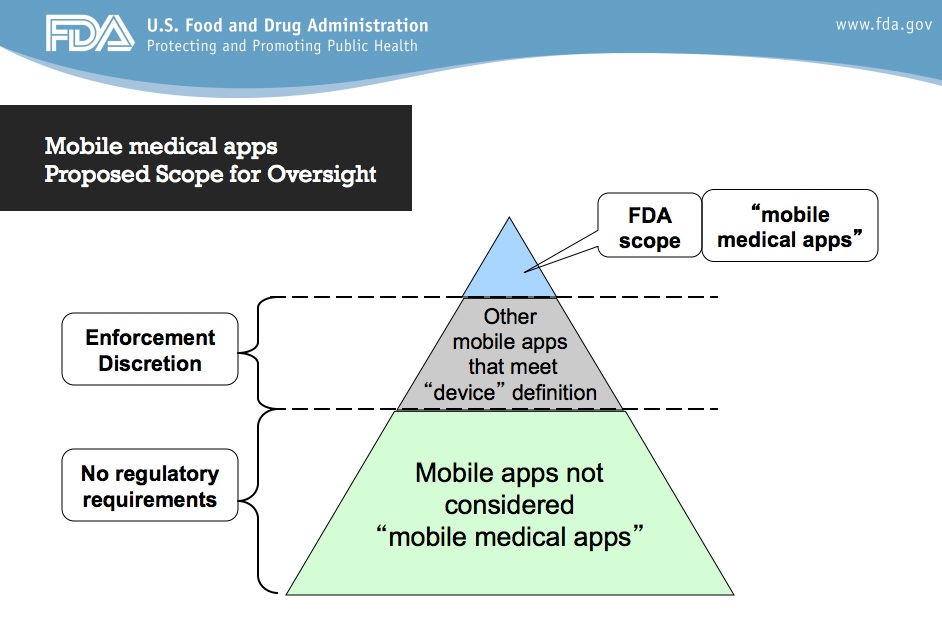
Without clear regulations, medical apps lack quality control
Without an established mechanism to evaluate and regulate medical and health apps, it is challenging for consumers and sometimes even for medical professionals to navigate in the uncharted water. Who and how to build medical apps and gadgets become essential questions for people involved in mobile health to ask.
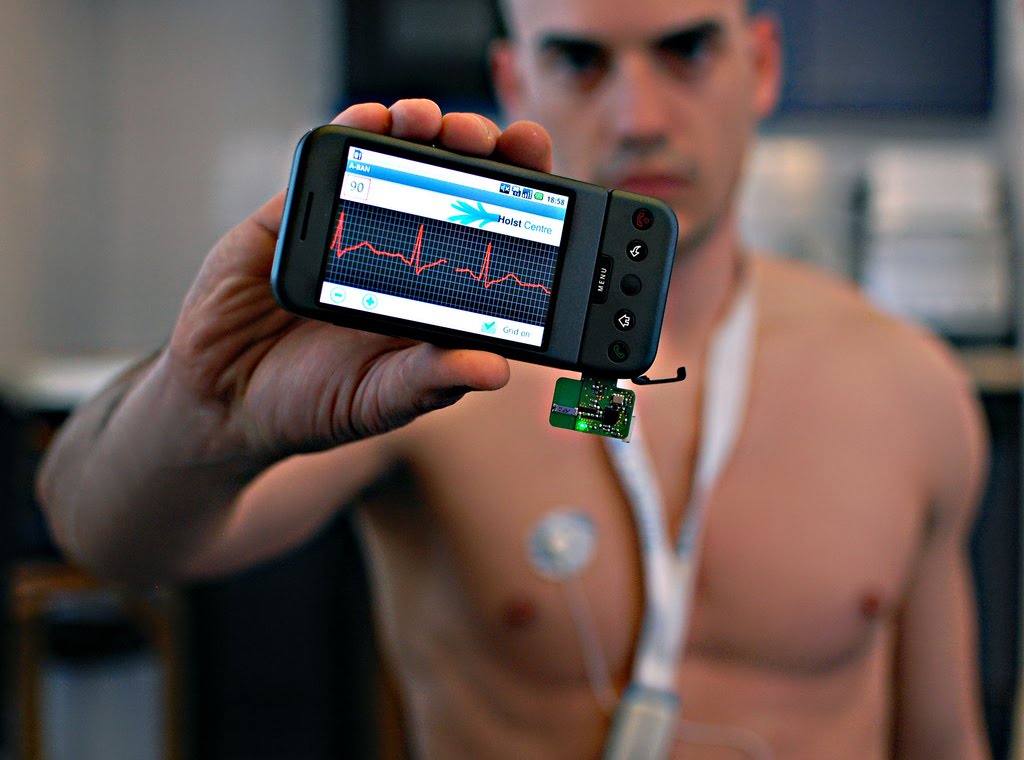
Robust medical apps can monitor vital signs in real-time (photo: bit.ly/17kIObf)
Take dermatology apps as an example, what researchers found is concerning. A recent study published in the British Medical Journal shows several apps that identified melanoma and had a large discrepancy in their accuracy. The medical app review site iMedical App has also reports that according to a study published on Annals of Vascular Surgery, current vascular medical apps lack references to literature. Researchers evaluated 49 vascular-themed apps but only 13 apps (27%) had documented medical professional involvement in their design or content.
If you know anything about how most of medical and health apps are developed, these challenges should not surprise you.
Working in digital health, I am constantly involved in mobile app development. The process currently is primarily driven by marketers and app developers, who often have minimum knowledge in clinical and medicine. Healthcare providers such as physicians, nurses and public health experts are brought into the process at the very late stage when it is almost impossible to make important changes. This process should be responsible for a lot of trouble faced by mobile health today: inaccuracy diagnosis and evaluation, misleading information, poor user experience and the lack of capability to drive outcome, which is the fundamental value in healthcare.
Earlier this year, Dr. Eric Topol, a highly respected cardiologist who is also an advocate for mobile health was featured in NBC’s Rock Center. Dr. Topol’s story is compelling as it demonstrates the importance and value to have a provider-driven process in mobile health. In the NBC segment, Dr. Topol showed how well-designed medical apps and gadgets can facilitate physicians to better monitor patients’ health. He also envisioned that mobile devices could lead to better and cheaper healthcare moving forward. For providers like Dr. Topol, the metrics used to measure an app’s success are clinical-based–how much time can be saved, how many people can be diagnosed earlier and how much productivity can be reached. But for marketers, the metrics are often user behavior-related. They typically measure things like number of download, level of engagement of certain features and conversion rate for related drug or service sales.
The distinctive approach offers some major explanations as to why there is a huge discrepancy within mobile health–without clinical insights from providers, medical and health apps can experience big drawbacks and are likely to fail.
It is important to note that marketers and developers are still playing significant roles in mobile health. An app or a gadget can never be commercially successful without strategic marketing planning and technology integration. The key to success is collaboration–providers, technicians, marketers and even consumers need to talk to each other throughout the process of development. The old linear process no longer works in mobile health,a space that is so complex that nobody can say he knows it all.