Healthcare-associated infections continue to challenge hospitals, long-term care centers, and outpatient facilities. These infections occur during the process of receiving medical care and can affect patients who are already vulnerable. Even with improved safety protocols, certain individuals and care environments face higher risks. Awareness of how these infections spread and who is most affected helps healthcare teams strengthen prevention efforts and keep patients safer.
How Healthcare-Associated Infections Develop
Healthcare-associated infections arise when harmful microorganisms enter the body through procedures, medical equipment, or contact with contaminated surfaces. Common types include bloodstream infections, urinary tract infections linked to catheters, surgical site infections, and respiratory infections that develop during hospitalization. High-touch areas, inadequate hand hygiene, and lapses in sterilization increase the likelihood of exposure.
In complex care settings, the movement of patients, staff, and equipment makes infection control a continuous challenge. Hospitals rely on a coordinated network of practices, from air quality strategies to water system management and proper medical gas services. Each layer of prevention plays an essential role in reducing the spread of organisms that can lead to serious illness.
Patients at Higher Risk
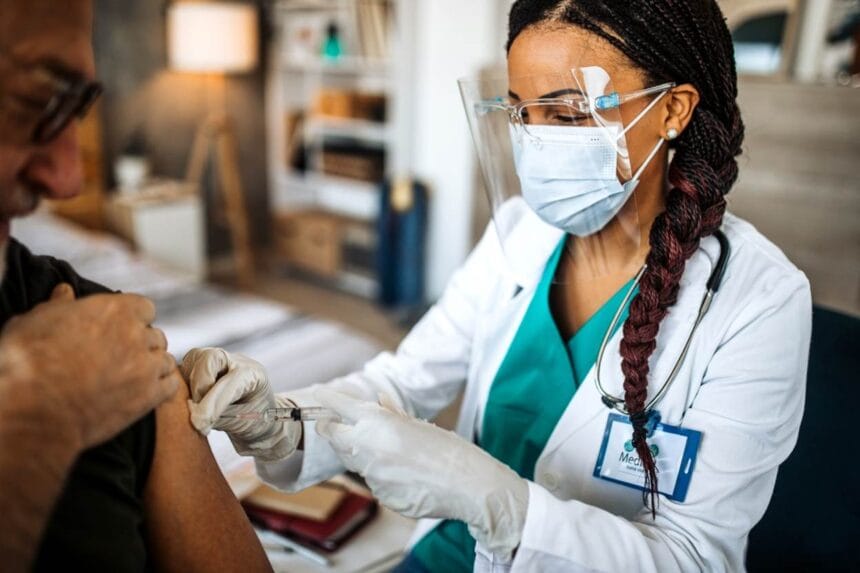
Any patient receiving medical care can develop a healthcare-associated infection, but certain groups face greater susceptibility. Older adults are among the highest-risk populations due to weakened immune systems, chronic conditions, and frequent hospitalizations. Their bodies may have difficulty fighting off organisms that younger or healthier patients can manage more effectively.

Individuals with compromised immune systems, such as those undergoing chemotherapy or organ transplant recipients, also face an elevated risk. Their weakened defenses make even minor infections more dangerous. Patients who require invasive devices like ventilators, central lines, or urinary catheters have additional exposure points that bacteria or viruses can use to enter the body.
Newborns, especially those in neonatal intensive care units, are another vulnerable group. Their immune systems are still developing, and they rely heavily on medical equipment, which increases potential contact with pathogens. Patients with open wounds or recent surgeries are similarly at risk as their bodies are healing and more susceptible to infection.
The Role of Care Teams in Prevention
Preventing healthcare-associated infections requires collective effort. Strong hand hygiene practices remain one of the most effective tools. Consistent cleaning and disinfection protocols help reduce contamination on surfaces and equipment. When care teams stay vigilant about sterile procedures, they significantly reduce transmission opportunities.
Communication also supports prevention. Patients who understand proper wound care, the purpose of medical devices, and early signs of infection can participate in their own safety. When staff encourage questions and provide clear instructions, they strengthen awareness across everyone involved in the care process.
Healthcare-associated infections carry serious consequences, but many are preventable with coordinated action. By recognizing the risk factors and reinforcing strong infection control practices, healthcare organizations can protect vulnerable patients and maintain environments that support healing. For more information, look over the infographic below.