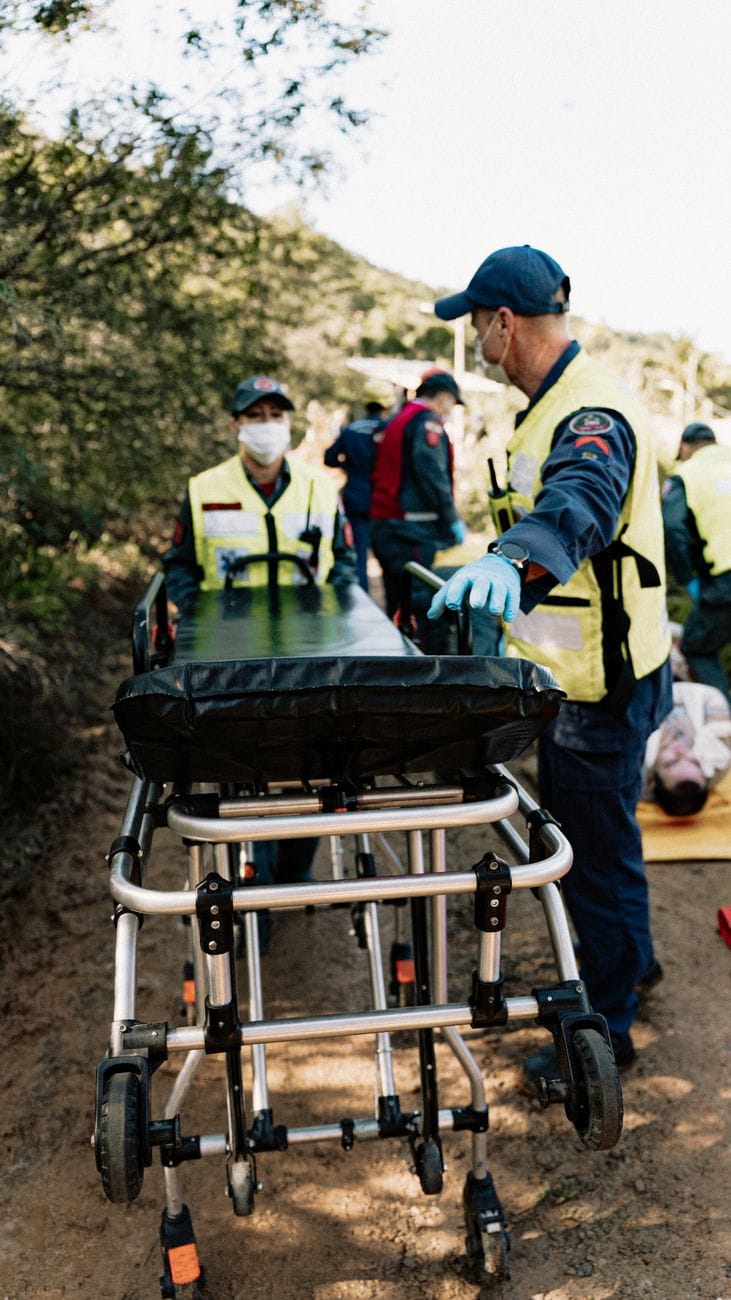
Car accident injuries often affect the body in ways that are not immediately obvious after the incident. Pain levels can shift once the initial shock fades, and stiffness may develop in muscles and joints that initially felt manageable. Simple movements such as bending, standing for long periods, or lifting everyday items can become unexpectedly difficult. These limitations often force individuals to adjust how they move through daily life.
- Daily routines may shift after injury related disruption
- Recovery experiences can vary across different communities
- Environmental and travel conditions can influence healing challenges
- Physical recovery is closely linked with long term wellbeing
- Long term recovery often requires adjustment and consistency
Sleep disruption is common during this stage because discomfort interrupts rest cycles. Fatigue builds during the day and reduces concentration, which makes routine tasks feel heavier than normal. Emotional strain may also increase as individuals adjust to temporary physical restrictions. A car accident injury often creates a recovery phase that requires patience and gradual adaptation.
Recovery progress can also depend on how quickly inflammation and soft tissue strain respond to treatment. Some individuals notice gradual improvement within days, while others experience longer periods of discomfort. This variability often shapes how daily expectations are adjusted during early healing. Medical monitoring and consistent care often play a role in stabilizing early recovery outcomes.
Daily routines may shift after injury related disruption
According to the attorneys at Weston & Pape based in Stuart, Florida, recovery after a car accident often forces individuals to reorganize daily responsibilities in practical ways. Tasks that once required little effort may now involve planning, pacing, and rest periods. Transportation changes are also common when mobility is reduced and independence is limited. These adjustments can feel temporary but often extend longer than expected.

Work performance and focus can decline when pain and fatigue remain present throughout the day. Medical appointments and rehabilitation visits often become central parts of weekly scheduling. Insurance communication and documentation may also become necessary when dealing with a car accident injury. Recovery experiences in Martin County often involve balancing physical healing with ongoing administrative and medical demands.
Daily responsibilities at home can also shift as physical limitations affect routine tasks. Simple activities such as cleaning, cooking, or carrying items may require assistance or modified approaches. These changes often influence how independence is experienced during recovery. Over time, individuals often develop structured routines to manage energy and reduce strain.
Recovery experiences can vary across different communities
Life in Stuart includes regular movement between residential areas, workplaces, and service locations. After a car accident injury, these daily routes can feel more physically demanding than before. Short trips may require additional effort when stiffness or pain limits mobility. This change often affects how individuals structure their daily routines.
Some individuals recover quickly while others experience extended healing timelines depending on injury severity. Emotional responses can vary, with some people becoming more cautious about returning to normal travel patterns. Confidence during driving or commuting may decrease temporarily. Over time, rebuilding routine stability becomes an important part of recovery after a car accident injury.
Access to local healthcare and rehabilitation services can also influence recovery speed. Consistent treatment and follow up care often support more stable progress. Environmental familiarity may help individuals regain confidence during daily movement. Support systems and family assistance can also shape recovery consistency.
Environmental and travel conditions can influence healing challenges
Port Salerno reflects a coastal community where daily movement often involves short travel routes between residential and local areas. After a car accident injury, even routine travel through these areas can feel physically demanding. Reduced mobility may require more careful planning before leaving home. These adjustments can affect independence during recovery.
Traffic conditions can intensify discomfort when returning to regular movement after a car accident injury. Stop and go driving patterns and frequent intersections place additional strain on physical recovery. Concentration demands also increase during busier travel periods, which can feel exhausting while healing. These conditions often influence how quickly normal routines are restored.
Weather conditions and heat can also affect physical comfort during recovery. Extended exposure during travel may increase fatigue or discomfort for individuals healing from injury. These environmental factors often add another layer of difficulty when resuming daily mobility. Gradual reintroduction to travel routines often helps manage these challenges more effectively.
Physical recovery is closely linked with long term wellbeing
Healing after a car accident injury often continues beyond the initial treatment phase. Ongoing discomfort can influence posture, movement habits, and physical endurance. Some individuals also notice changes in energy levels that persist even after visible injuries improve. These effects can shape long term daily functioning and lifestyle adjustments.
Traffic activity on US Highway 1 Martin County can create additional physical strain when returning to regular travel routines. Stop and go conditions and frequent intersections can increase discomfort for individuals recovering from injury. Concentration demands during heavier traffic periods can also feel exhausting during recovery. These conditions can slow the transition back into normal mobility patterns.
Recovery is often gradual and depends on how consistently movement is reintroduced into daily life. Small, repeated actions throughout the day can support improved flexibility and reduced stiffness. Over time, structured activity helps rebuild strength and stability after a car accident injury. This steady progression is key to long term physical recovery and functional restoration.
Long term recovery often requires adjustment and consistency
The effects of a car accident injury can continue influencing daily life long after initial treatment ends. Some individuals modify work schedules or reduce physical strain to avoid setbacks. Medical follow ups and therapy sessions may remain part of ongoing recovery routines. These adjustments help support long term physical stability and prevent reinjury.
Spending time in Halpatiokee Regional Park can support gentle movement during recovery when medically appropriate. Walking and light activity in controlled environments may help reduce stiffness and improve mobility. Consistent movement often plays a role in rebuilding physical endurance over time. Recovery remains a gradual process shaped by injury severity and ongoing care.
Long term improvement often depends on maintaining consistency even when symptoms fluctuate. Individuals recovering from a car accident injury may find that structured routines reduce physical setbacks. Support systems and rehabilitation guidance can reinforce steady progress. Over time, these combined factors help restore functional stability in daily life.