Social media has become an integral part of daily life, connecting billions of people around the world. But as we navigate our digital lives, it’s important to consider the impact social media has on our mental health. This blog explores the various ways social media can affect our psychological well-being, both positively and negatively.
The Power of Connectivity
Social media platforms like Facebook, Twitter, and Instagram have the remarkable ability to connect individuals across the globe. They allow us to keep in touch with friends and family, join communities of like-minded individuals, and find support networks that we might not have access to in our immediate physical environments.
- Expanded Social Circles: We are no longer limited by geography; we can befriend people from different cultures and backgrounds.
- Support Groups: For those suffering from illnesses or dealing with life challenges, social media provides a space for finding others with similar experiences.
- Sharing Success: Platforms can be a source of motivation and inspiration as people share their achievements and encourage others.
The Paradox of Loneliness
While social media can foster connections, it also has the potential to create feelings of isolation and loneliness. A study from the University of Pennsylvania found that high usage of platforms like Facebook, Snapchat, and Instagram increases rather than decreases feelings of loneliness.
- Superficial Interactions: The interactions on social media can be less meaningful compared to face-to-face conversations.
- Fear of Missing Out (FOMO): The sensation that others are having more fulfilling experiences can lead to feelings of exclusivity and isolation.
- Comparison Overload: Constant exposure to the highlights of others’ lives can make everyday realities seem inadequate.
Self-Perception and Esteem
According to the experienced personal injury attorneys at the Fine Law Firm, social media usage can negatively impact your self-esteem in the following ways:
The Highlight Reel
Social media often acts as a highlight reel where individuals present the best versions of their lives. This can create unrealistic benchmarks for success, appearance, and lifestyle.
- Body Image Issues: The prevalence of edited images can lead to negative body image and self-esteem issues.
- Success Comparisons: Seeing others’ curated successes can result in self-doubt and dissatisfaction with one’s own accomplishments.
The Consequence of Anonymity
The anonymity and distance provided by social media sometimes lead to negative behavior such as cyberbullying. Being subjected to or participating in such behavior can have serious ramifications for mental health.
- Cyberbullying: Victims of online harassment often experience significant stress, anxiety, and depression.
- Trolling: Engaging in or being the target of trolling can foster a toxic environment, which may affect one’s sense of safety and well-being online.
Information Overload
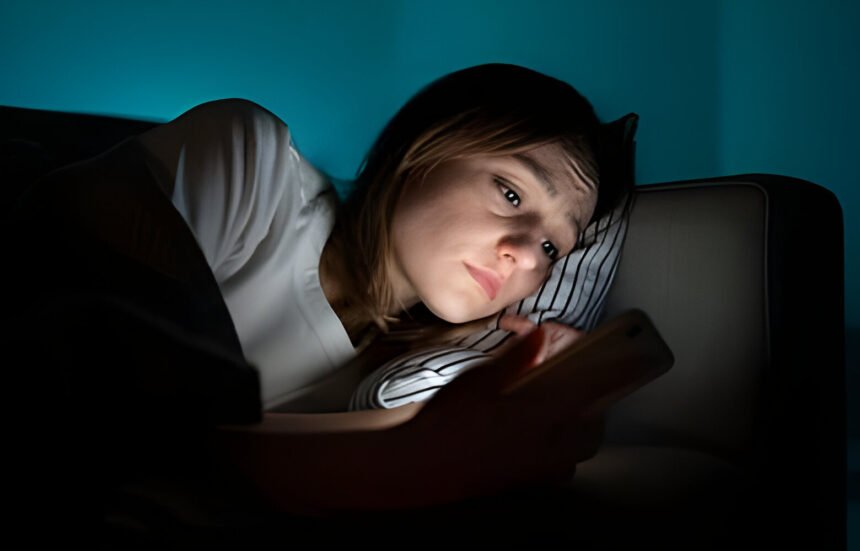
Our smartphones ensure we’re connected 24/7, receiving notifications at all hours. This constant connectivity can interfere with our ability to relax and disconnect, leading to stress and burnout. Each ping could symbolize an obligation, further blurring the lines between work and rest. Illuminated screens and late-night usage can disrupt sleep patterns, contributing to insomnia and fatigue.
Reinforces Our Biases
Social media algorithms tend to show us content that aligns with our existing beliefs, reinforcing our viewpoints but also limiting our exposure to diverse perspectives.
- Reinforcement of Beliefs: Being surrounded by similar opinions can validate our own, but it also prevents us from engaging fully with the complexity of the world.
- Polarization: This can lead to an increased sense of division and misunderstanding between different groups.
Addiction and the Dopamine Loop
The design of social media platforms often exploits our desire for social validation creating a social media addiciton. Likes, comments, and shares can become a source of social gratification, leading to compulsive behaviors.
- Validation Cycle: Receiving positive feedback on posts can become addictive, pulling users into a loop of constant checking and posting for affirmation.
- Withdrawal Symptoms: Like any addiction, individuals may experience withdrawal or distress when not accessing social media.
The Impact on Attention Span
The fast-paced nature of social media content can affect our attention spans, making it more difficult to engage in sustained, concentrated effort on tasks or to enjoy slow-paced activities. Regular interruptions by social media can fragment attention, reducing productivity and the ability to focus. The instant gratification of online interactions can feed a culture of impatience and instantaneity.
Mindful Engagement
Conscious and moderated use of social media can mitigate negative effects; mindful engagement is key to a healthier social media experience. Allocate specific times for social media to avoid constant interruption. Prioritize deeper, more meaningful interactions over superficial engagement.
Educational and Professional Opportunities
Social media also offers numerous educational and professional opportunities. Learning can be democratized through access to free resources. LinkedIn and other platforms can be powerful tools for job hunting and career development. From language apps to online courses, social media can be a vehicle for personal and professional growth.
Strategies for Healthy Social Media Use
Incorporating strategies to ensure that your use of social media is healthy and positively affects your mental health is essential. Take regular breaks from social media to reset and establish healthier habits. Actively manage your feeds to include content that is uplifting and educational.
Social media is here to stay, but its impact on mental health is complex and multifaceted. By better understanding these effects and implementing strategies for healthier use, we can harness the positive aspects of social media while minimizing its potential harms.