Iron deficiency is one of the most common nutritional deficiencies worldwide. According to the World Health Organization, 80% of people in the world have iron deficiency. When ignored, this could easily turn to anemia. Out of the 80% of the population with iron deficiency, 30% are anemic, and this makes anemia a problem of more than 1.5 billion people in the world. A problem that a lot are faced with is that the symptoms of an iron deficiency usually only show up if a person is already considered anemic. Some of the symptoms that an anemic person would experience are headaches, fatigue, weakness, and pale skin. Iron deficiency is mainly caused by lack of iron supply in one’s body. When this happens, a part of the red blood cells called the hemoglobin won’t be enough. Lack of hemoglobin in your blood cells will make your body have a hard time transporting oxygen and carbon dioxide where they’re needed. This is why the symptoms of an anemic person mainly have something to do with lack of energy or weakness. Your body is simply not getting enough oxygen. It’s certainly a must for you to not wait until you experience these symptoms to combat iron deficiency. Before this even happen or when your body already lacks iron, proper diet is a must. You’ll need foods that are rich in iron. Now, here are the foods you should include in your diet to make sure that your body gets the iron it needs.
- Tofu
Tofu is known to be a great source of not only iron but also protein and calcium. In fact, this is a popular choice for people who are trying to gain more muscles. This food is made from soybeans. It’s gluten-free and only has around 170 calories.
- Meat and Poultry
All types of meat contain a good amount of iron. Poultry contains at least 1.6 mg of iron, while meats generally have 1.2mg of iron or more. This is easily one of the best ways to get iron naturally as these can be purchased anywhere. You can even have meat delivered to your doorsteps if you shop for it in online grocery shops.
- Leafy Vegetables
Green leafy vegetables are also usually rich in iron. Some of these are Spinach, which has about 2.7 mg of iron per 100 grams and kale, with about 1.5 mg of iron. When it comes to vegetables, make sure you always get them fresh. Choose organic products to be sure that no pesticides were used while growing them.
More Read

- Liver
Aside from meat and poultry, the liver of mammals like chicken, fish, and pig are also rich in iron. Generally, the liver has about 17.9 mg of iron per 100 grams, and that’s really a lot. The general rule when it comes to picking out an iron-rich vegetable is that the darker its leaves are, the more iron it has. Many people don’t really enjoy eating this, but if you really need the iron boost, this is what you should eat. You can always look for recipes that will hide the taste and texture of liver that some people don’t really enjoy.
- Beans, Nuts, and Seeds
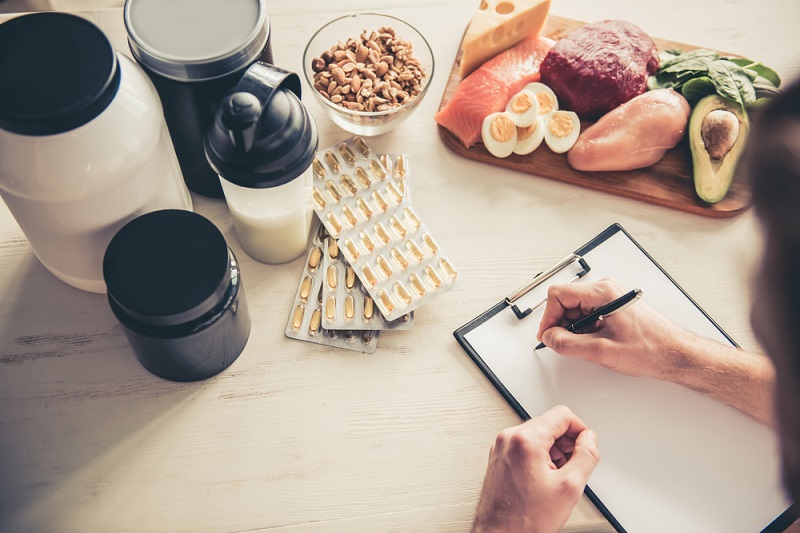
Any beans, nuts, and seeds come from either fruits or vegetables. These are also rich in iron, and it’s a great choice for people who are on a budget. Some of the popular choices for iron-rich beans are kidney beans, black beans, and peas. Pistachios, cashews, and pine nuts are good choices too. For seeds, you can get pumpkin seeds, sunflower seeds, and chia seeds. Chia is known to be rich in plenty of other nutrients aside from iron. It’s a good source of vitamin C, and this helps your body absorb iron better.
Conclusion
Note that including these foods in your diet won’t really cure an anemic person. These foods will just help people with anemia manage their disease. Meanwhile, people who are not anemic are less likely to have it if they always include these foods in their diet. As mentioned, it’s best to pair up iron-rich foods with vitamin C. You can get supplements with both iron and vitamin C, but real food is always the better option. Some popular choices for fruits and vegetables rich in vitamin C are oranges, lemons, broccoli, and sweet potatoes. While vitamin C is best paired with iron-rich foods, calcium is the opposite. Calcium doesn’t sit well with iron and can reduce the ability of your body to absorb iron. Just remember that it’s best to avoid eating foods high in calcium when you’re eating something that’s rich in iron.