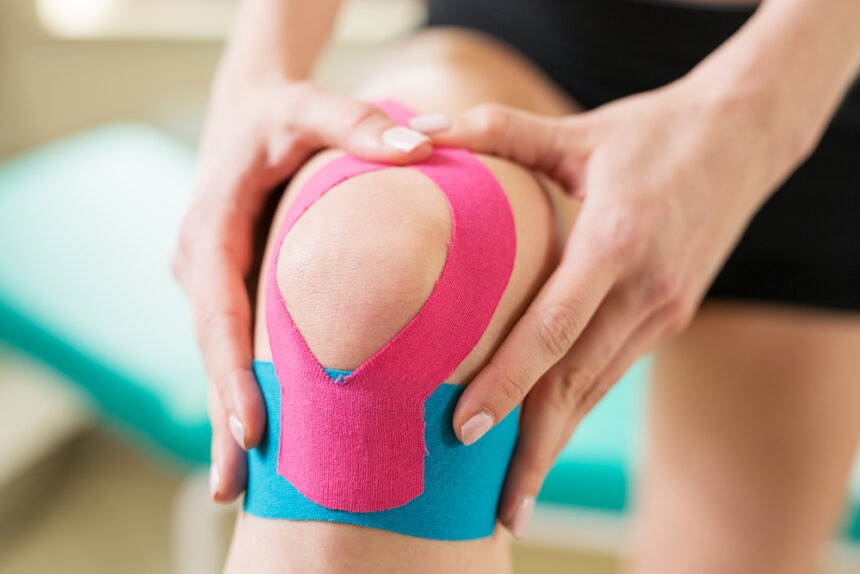
Since the second half of the new century, athletes and sportsmen have unanimously chosen kinesiology tapes over traditional athletic tapes for reasons of flexibility. Although it might be debatable if the tape enhances muscle strength, one thing for sure is that it relieves pain temporarily and allows a wide range of motion. Moreover, the high elasticity of kinesiology tape makes it the perfect choice for shoulder tape for athletes because it is ideal for taping any part of the body regardless of the position and shape. Shoulder tapes are created especially for applying on shoulders so that it sits tightly and provides support and even reduce shoulder pain. Not only athletes but those undergoing rehabilitation after treatment of muscle injury also benefit from it.
The shoulder has a complex construction of many muscles, tendons, ligaments, cartilage, bone, bursae, and other anatomical components. Despite being very important for performing a wide range of activities, the shoulder is an unstable joint that can lead to shoulder pain that afflicts many people. Moreover, poor shoulder placement or movement can cause many other problems in the neck, spine, chest, and the whole body.
Taping is popular among sportsmen
Sportsmen, especially athletes, take to taping their bodies to strengthen their muscles with better support and relieve pain that can happen from muscle soreness or injury and causes discomfort. Sticking kinesiology tape on the affected part can help to perform regularly by forgetting the pain and discomfort at least for the time being. Personal trainers and physiotherapists are widely using the tape that many terms as performance tape. According to Kenzo Kase, a chiropractic doctor in Japan who invented the tape during the seventies, it helps to reduce inflammation, alleviate pain, relax muscles, and leads to enhanced performance.
Different type of athletic tape
Kinesiology tape is an athletic tape, but unlike the traditional athletic tapes that are rigid like the one worn by boxers on their hands, KT or kinesiology tapes are highly flexible, which makes it suitable for use on any part of the body. You can wrap the tape on the body like a mummy. But both tapes have one thing in common in that these are good for therapeutic use, although it is a supplemental type of therapy. The tape is special because of the high elasticity that helps it to stretch and contract to facilitate all kinds of movements while supporting the joints and muscles. The flexible property of the tape makes most suitable for use on any body part.
Pain reduction and relief
When you apply the tape on the muscle that has swollen or become sore, the tiny nerve receptors of the skin get stimulated and generate a perception of pain relief. The tape does give a feeling of restricting movement only to the extent it is necessary to provide the right kind of support so that it does not hinder overall motion and movements. The tape supports and stabilizes the muscles in the affected parts that allow users to perform without stress.
Learning how to do taping from an experienced sports medicine expert should help to get the best results.