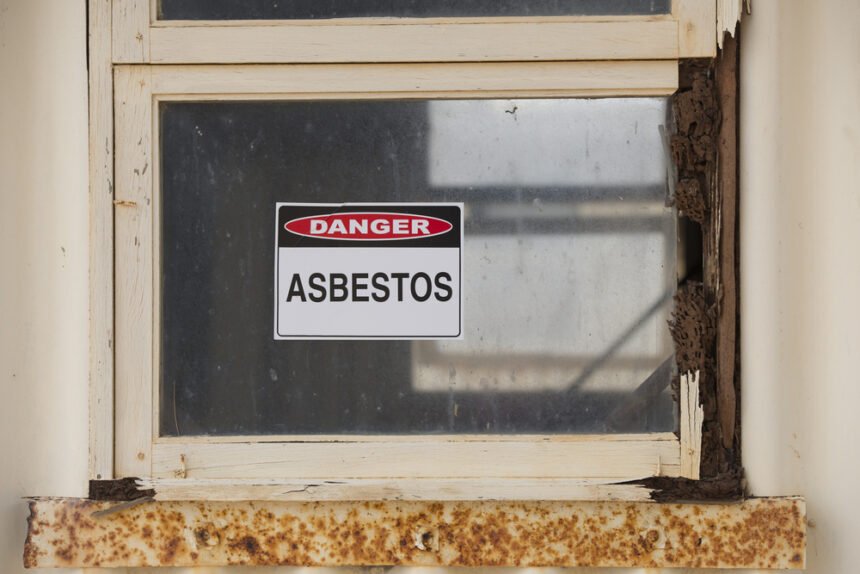
Home is supposed to be a safe haven for all families, which is why you need to make sure that your home is safe. One of the hazardous materials that you may find inside your home is asbestos. Whether it’s a new or old house, it’s possible to find asbestos at home. The first step to avoid this is awareness. Here are just some signs that can tell you if you have asbestos in your home.
- Old House
Living in an old house can give you that vintage environment. Old houses also carry a different kind of character and charm to it. While you can enjoy these spectacular architectural designs, living in an old house increases your chances of asbestos exposure and having asbestos within your home.
Most houses constructed before the 80s have a high amount of asbestos in them. The reason for this is the mineral that was used to construct the boilers, ducts, fireplaces, and pipes. In addition to that, asbestos can also be found in the floor tiles, ceiling tiles, sidings, and pipe cement.
More Read

Whenever one of the components listed above become damaged or broke, you are at a high risk of inhaling asbestos. With long exposure to asbestos, your body may develop diseases such as mesothelioma cancer, which will affect the linings of your lungs. So, if you have an old house that was constructed before the 80s, it’s a sign that you might have asbestos. So, be sure that you hire professionals to inspect your home before it’s too late.
- Vinyl Flooring
Most homes use vinyl flooring to cover their floors. Because of its economic value, appearance, and durability, this has been an option for a majority of families. The downside with vinyl flooring is the presence of asbestos.
In good condition, vinyl flooring won’t pose any dangers since the vinyl will prevent asbestos from escaping into the air. The problem arises when your vinyl floors start deteriorating and breaking down. When this happens, your flooring will start to release a considerable amount of asbestos into the air. This will lead to various respiratory diseases.
With that said, having damaged or deteriorating vinyl flooring is a sign that you might already be exposed to asbestos. As an alternative to vinyl flooring, you might just want to renovate and use a different material.
- Corrugated Roofing
Corrugated roofing is also a sign that you might be at risk of asbestos exposure. It is a regular practice to add asbestos when manufacturing corrugated roofing sheets, to make it more durable, weatherproof, and heat resistant.
However, what will you do with durability if the materials threaten your health. Having corrugated roofing on top of your heads won’t be a hazard. The danger comes when your roofing sheets gets damaged either through natural wear and tear or extreme weather conditions. When this happens, asbestos fibers get released into the air. Inhaling them may result in infection or inflammation of your lungs.
- Cement Sheets
Usually, cement sheets are used to make external walls, internal walls, and ceiling paneling. Once again, to increase durability, construction companies usually add asbestos to it. So, you need to check if your home uses cement sheets for your ceilings and walls. If you do, then this will be a sign that your home might be contaminated with asbestos already.
- Cement Water Tanks
The same goes with your water tanks. If you have a water tank made of cement, then it might also be a sign that it has asbestos content in it. If so, you need to have your water tank tested immediately. Once you find out that it has asbestos in it, you might need to get your water tanks replaced.
- Broken Insulation Pipes
Another sign that you might have asbestos inside your home is if you start noticing that the insulation on your hot water pipes starts to weaken. It means that the asbestos that was once put in it is also deteriorating, and you are getting exposed to it.
Instead of using asbestos, you may have it replaced with a fiberglass insulation to keep you and your family safe. Make sure to ask a professional or an expert to help you out with installing fiberglass into your insulation pipes. Doing it alone without any prior experience can result in graver danger.
Conclusion
Watch out for these signs proving asbestos presence in your home. Exposure to asbestos for a long period of time can lead to development of diseases that are very dangerous to you and your family’s health. Once you find that you do have asbestos inside your home, then you need to look for professionals to get rid of the asbestos in your home or look for another place to stay in already.