By using this site, you agree to the Privacy Policy and Terms of Use.
Accept
Health Works CollectiveHealth Works CollectiveHealth Works Collective
  • Health
    • Mental Health
  • Policy and Law
    • Global Healthcare
    • Medical Ethics
  • Medical Innovations
  • News
  • Wellness
  • Tech
Search
© 2023 HealthWorks Collective. All Rights Reserved.
Reading: Living Well: Home Design Tips for Chronic Illness Management
Share
Notification Show More
Font ResizerAa
Health Works CollectiveHealth Works Collective
Font ResizerAa
Search
Follow US
  • About
  • Contact
  • Privacy
© 2023 HealthWorks Collective. All Rights Reserved.
Health Works Collective > Wellness > Living Well: Home Design Tips for Chronic Illness Management
Wellness

Living Well: Home Design Tips for Chronic Illness Management

You can make changes to your home to support healing and independence with smart design for chronic illness management.

Aises Jammy
Aises Jammy
Share
8 Min Read
chronic illness home improvements
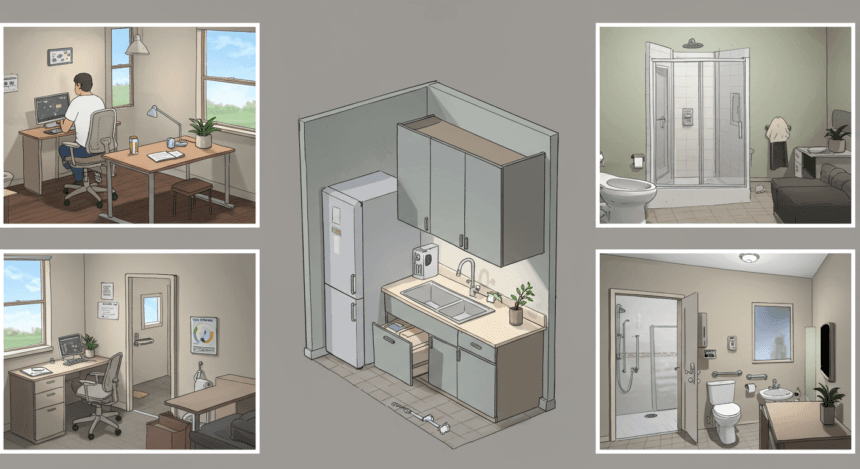
AI-Generated Image from Google Labs
SHARE

Creating a home to aid in management of chronic diseases is less a matter of being comfortable and more an essential element of health and independence and adding to overall well-being. An estimated 129 million Americans experience at least one significant chronic disease, and there are design concepts that can add to the betterment of every day.

Contents
  • Rethinking Layout: Flow, Not Frustration
  • Lighting: The Unsung Hero of Home Wellness
  • Flooring: Support Underfoot
  • Accessibility: Making Every Room Work
  • Home as Healing Space

These accommodations can range from installing grab bars in the bathroom and slip-resistant flooring, to lighting changes and reducing clutter to prevent accidents. This can be easier than working with a home health agency (which we talked about before). These adjustments aren’t luxuries—they’re necessities for millions of individuals who cope with fatigue, mobility, or pain on a daily basis.

In fact, as of 2018, almost 27% of American adults lived with two or more chronic conditions, making the need for supportive and accessible environments even greater. Studies show that older adults in particularly large numbers are likely to benefit from home adaptations, with 6.8 million households finding it hard to use or get around their homes. Small design changes—such as wider doors for wheelchair accessibility or rearranged kitchens for easier access—can allow individuals to stay active and engaged in their homes. When homes are built for health, they are centers of recovery, not barriers to well-being.

Being chronically ill is a full-time occupation and the home can play a huge role in making that occupation viable or not. For those with long-term illnesses, everything can have a direct impact on wellbeing. It’s not so much an issue of style or even comfort, but about daily function, safety, and quality of life. It may be too late to prevent chronic illness, which means you may need to deal with the reality.

More Read

weight loss surgery and sex hormones
Weight Loss Surgery Enhances Women’s Sexual Function: The Truth Behind Hormones And Your Weight
Vital Steps To Avoid Health Risks After A Road Accident
Fashion vs Function: 5 Ways Technology Is Revolutionizing Activewear
The Adopt One! Challenge: The First Step to Better Patient Engagement and Patient Experiences
Helpful Self-Care Tips To Help You Improve Your Life

So how might a home be adapted to offer more than just shelter?

Rethinking Layout: Flow, Not Frustration

Open-plan layouts are not just stylish, they’re practical for individuals with mobility issues, fatigue, or those who rely on aids like wheelchairs or walkers. The fewer walls there are, the fewer obstacles. Broad doorways, no stairs, and clear routes from one room to another can reduce the physical exertion of moving around when energy is in short supply or pain levels are high.

Having the essentials on the first floor is a lifesaver. Picture the convenience of bathrooms, bedrooms, and even a small kitchenette all within reach without ever having to deal with stairs. For individuals with balance issues or arthritic joints, not having to tackle one flight of stairs a day can be a life-changer.

And don’t forget rest areas. Quiet alcoves with comfortable seating or reclining areas are essential respites in bigger homes. If symptoms flare, being able to sit or lie down quickly can prevent accidents and exhaustion.

Lighting: The Unsung Hero of Home Wellness

Natural light doesn’t just lift the mood, it helps regulate sleep, eases symptoms of depression and anxiety, and supports overall circadian health. For anyone managing chronic fatigue, pain, or mental health conditions, daylight can be a silent source of healing.

Big windows, light-coloured walls, and sheer curtains make spaces feel brighter without glare. Where sunlight is in short supply, full-spectrum LED lighting can help mimic daylight and reduce eye strain or headaches, which can be common complaints for those with neurological or autoimmune conditions.

Lighting should also be strategic. Think motion-sensor night lights for late-night bathroom trips, task lighting in the kitchen for easier food prep, or dimmable lights in bedrooms and living spaces to allow for low-sensory environments during flare-ups.

Flooring: Support Underfoot

Flooring is more than a style choice as it’s part of the home’s foundation for daily life. For anyone managing chronic illness, it needs to strike a balance between safety, comfort, and practicality.

Non-slip surfaces are vital to prevent falls, especially for those with dizziness, vertigo, or weakened joints. Luxury vinyl flooring is a popular choice for this reason as it’s smooth but slip-resistant, and soft enough to cushion impact if accidents happen.

Underfoot comfort is another key factor. Hard floors like ceramic or stone can be unforgiving for those who spend long hours standing or walking at home. LVT, cork, or engineered wood with the right underlay offer a softer surface that’s kinder to joints and feet.

And let’s not overlook the maintenance factor. Chronic illness can limit the energy available for cleaning. Flooring that’s easy to wipe, resists stains, and doesn’t trap dust or allergens, like laminate or sealed hardwood, makes life easier and healthier.

Accessibility: Making Every Room Work

Home design for chronic illness starts and ends with accessibility. It’s not just about wheelchairs, it’s about making everyday tasks less tiring, painful, or risky.

Lever-style handles are easier to grip than round knobs for arthritic hands. Touchless taps reduce the need to grip or twist. Adjustable-height counters or worktops make kitchens and bathrooms more inclusive; no more bending or stretching just to brush your teeth or make a cup of tea.

In bathrooms, walk-in showers with seating, grab bars, and non-slip tiles create dignity and independence. In bedrooms, adjustable beds and bedside storage within arm’s reach can mean the difference between a decent night’s sleep and a night of constant struggle.

Even small details like smart home technology, like voice-controlled lighting, heating, or blinds, can remove physical barriers and give people more control over their environment.

Home as Healing Space

A well-designed home can’t cure a chronic illness. But it can support healing, reduce stress, and make every day more manageable. For many, home is where symptoms are at their worst, so it makes sense to design with care, empathy, and foresight.

Whether it’s rethinking a cramped layout, updating flooring for comfort and safety, or simply swapping light bulbs for something kinder on the eyes, small changes add up. It’s about empowering people to live well, and not just exist, in the spaces they spend the most time.

Because when the home supports the person, rather than making things harder, life with chronic illness becomes that bit more bearable. And sometimes, that’s everything.


TAGGED:chronic illnesshome health
Share This Article
Facebook Copy Link Print
Share

Stay Connected

1.5kFollowersLike
4.5kFollowersFollow
2.8kFollowersPin
136kSubscribersSubscribe

Latest News

Breaking the Cycle: How Trauma-Informed Therapy Helps Survivors Rebuild Their Lives
Uncategorized
November 17, 2025
Nurse Education
Why Investing in Nurse Education Pays Dividends for the Entire Health System
Nursing
November 16, 2025
How In-Home Nursing Care Can Support Recovery After Surgery
M&Y Care LLC Explains How In-Home Nursing Care Can Support Recovery After Surgery
Nursing
November 11, 2025
health wellbeing Safe Home Heating for Vulnerable Populations: Children, Seniors, and Patients
Safe Home Heating for Vulnerable Populations: Children, Seniors, and Patients
Health
November 8, 2025

You Might also Like

The ACA has put patients at the center of healthcare services. A patient-centric healthcare approach in this digital era means a revised definition of quality in the physician-patient relationship. When it comes to healthcare services, patients shell out a hefty amount from their pocket and want nothing less than the best. The services in healthcare are no longer limited to just cost as consumers now evaluate quality and experience in the same equation. Research highlights from the 2015 Healthcare Consumer Trends by National Research Corporation states that reputation in healthcare matters more to consumers when choosing a brand than any other industry, e.g. hospitality, retail, airline, etc. The new generation of quality measurements in healthcare require a different mind-set and a different 'toolbox' to handle the hurdles. It’s the need of the hour for healthcare providers and others across the healthcare value chain to adopt the patient-centric approach for surviving in the vast competitive ocean of healthcare services. Patient-centric care is an approach that develops through effective communication, empathy and a positive physician-patient relationship. The primary purpose is to improve patient care outcomes and satisfaction and to reduce patient symptoms and unnecessary costs. It’s a win-win situation for both physicians and patients. While healthcare providers are able to support their patients in becoming more compliant with treatment and management of their conditions/diseases, patients feel more satisfied with the care that they are receiving. PwC’s Health Research Institute’s annual report 2016 states that health systems should keep an eye on the consumer experience as they expand and extend. More partnerships and more caregivers could mean confusion for patients and poor customer experiences. To differentiate their practice among competitors, patient satisfaction can be used as a competitive distinguishing factor. Although patient satisfaction cannot really provide tangible benefits, but an experience that exceeds patient expectations for what a practice/hospital can provide is very important as it creates loyal patients who return for future health needs and refer their family and friends. Happy and satisfied patients are a secret marketing weapon for healthcare providers, whether they are physicians, dentists, physiotherapists or hospitals. Your patients are the new-age digital health decision-makers. In this era of Internet and social media, they now have multichannel access to information related to health. Needless to mention, they have gained new power to make their decisions; whether it’s choosing a healthcare provider or referring a physician to family and friends. By converting your satisfied patients to be your brand advocates, you can capitalize and use their voice as an effective marketing strategy to reach out to many other potential patients. To strive and thrive, in the U.S. many healthcare organizations are applying patient-centric approaches to healthcare. It’s all about what matters to patients, so it makes a lot of sense for the healthcare industry to place patients' healthcare experience at the center of their policies and procedures. The best deliverables are a combination of great communication for a positive physician-patient relationship, disciplined measurement and analysis of patient feedback and commitment to technology innovation – the formula for improving patient engagement and care.
BusinessHealth ReformWellness

The Link Between Patient Satisfaction and Long-Lasting Relationships

April 28, 2016

Vitamin D and Bone Health for Active Adults

August 31, 2013
Home Health

Everything You Need To Know About Hair Loss Symptoms, Causes, and Prevention

September 11, 2018
Image
BusinessWellness

End-of-Life Decisions

March 19, 2013
Subscribe
Subscribe to our newsletter to get our newest articles instantly!
Follow US
© 2008-2025 HealthWorks Collective. All Rights Reserved.
  • About
  • Contact
  • Privacy
Welcome Back!

Sign in to your account

Username or Email Address
Password

Lost your password?