We use cookies, including third-party cookies from Google to serve personalized ads through AdSense, to operate this site and understand how it is used. By continuing to browse, you accept this use. See our Privacy Policy and Terms of Use for details, including how to opt out of personalized advertising.
Accept
Health Works CollectiveHealth Works CollectiveHealth Works Collective
  • Health
    • Mental Health
  • Policy and Law
    • Global Healthcare
    • Medical Ethics
  • Medical Innovations
  • News
  • Wellness
  • Tech
Search
© 2023 HealthWorks Collective. All Rights Reserved.
Reading: Medicare Pays to Treat Heart Patients Who Smoke, but Doesn’t Help Them Quit
Share
Notification Show More
Font ResizerAa
Health Works CollectiveHealth Works Collective
Font ResizerAa
Search
Follow US
  • About
  • Contact
  • Privacy
© 2023 HealthWorks Collective. All Rights Reserved.
Health Works Collective > Specialties > Cardiology > Medicare Pays to Treat Heart Patients Who Smoke, but Doesn’t Help Them Quit
CardiologyPolicy & LawPublic Health

Medicare Pays to Treat Heart Patients Who Smoke, but Doesn’t Help Them Quit

JohnCGoodman
JohnCGoodman
Share
2 Min Read
SHARE

Cardiac patients who continue to smoke face a risk of death that is up to five times as high as those who quit, according to The American Journal of Cardiology. The longer a cardiac patient abstains from smoking, the better their odds of survival.  But most don’t quit for long. Nearly two-thirds (63%) of cardiac patients who quit start again. More than half start smoking within three weeks of leaving the hospital.

Cardiac patients who continue to smoke face a risk of death that is up to five times as high as those who quit, according to The American Journal of Cardiology. The longer a cardiac patient abstains from smoking, the better their odds of survival.  But most don’t quit for long. Nearly two-thirds (63%) of cardiac patients who quit start again. More than half start smoking within three weeks of leaving the hospital.

Experts quoted by Reuters explain that comprehensive smoking cessation programs for heart attack patients could save thousands of lives annually at a low cost. Indeed, quitting smoking has a similar lifesaving effect as taking medications such as those used to lower cholesterol and blood pressure.

Yet, Medicare pays a lot for drugs, but little for counseling. According to the Happy Hospitalist Blog:

More Read

I’m OK With Raffles for Fertility Treatment
Medical Data & Patient Privacy: An Update
Top 6 Birth Injuries That Could Occur When Giving Birth
Unnecessary Antibiotics in Livestock: What’s My Beef?
The Ambulatory Long Block: Resident Training in a High-Functioning Clinical Microsystem

You know how much Medicare pays for a ten minute consultation to help cardiac patients quit smoking right now?  About $20.  You know how much they pay for Plavix + Lipitor?  Over $3,000 a year.

And what about the cost of those who don’t quit?

And I’m sure these folks all landed themselves back into the hospitals for a very expensive dying process.


 

TAGGED:cardiologyhealthcare policyMedicarepublic healthsmoking
Share This Article
Facebook Copy Link Print
Share

Stay Connected

1.5KFollowersLike
4.5KFollowersFollow
2.8KFollowersPin
136KSubscribersSubscribe

Latest News

Flat editorial illustration: Healthcare ethics-and-law training, shown through a coached clinical role-play where structured disc
Medical Ethics and the Law: The Training Behind Professionals Who Resolve Healthcare Disputes
Uncategorized
November 6, 2026
Flat editorial illustration: The article connects routine occupational health screening with early exposure detection and better
What Routine Workplace Health Monitoring in Medical Environments Actually Prevents
Uncategorized
November 6, 2026
Flat editorial illustration: The article contrasts structured prelicensure education with ongoing, practice-focused development f
Academic vs. Clinical Education: How Teaching Settings Shape Nursing Learners and Outcomes
Uncategorized
November 6, 2026
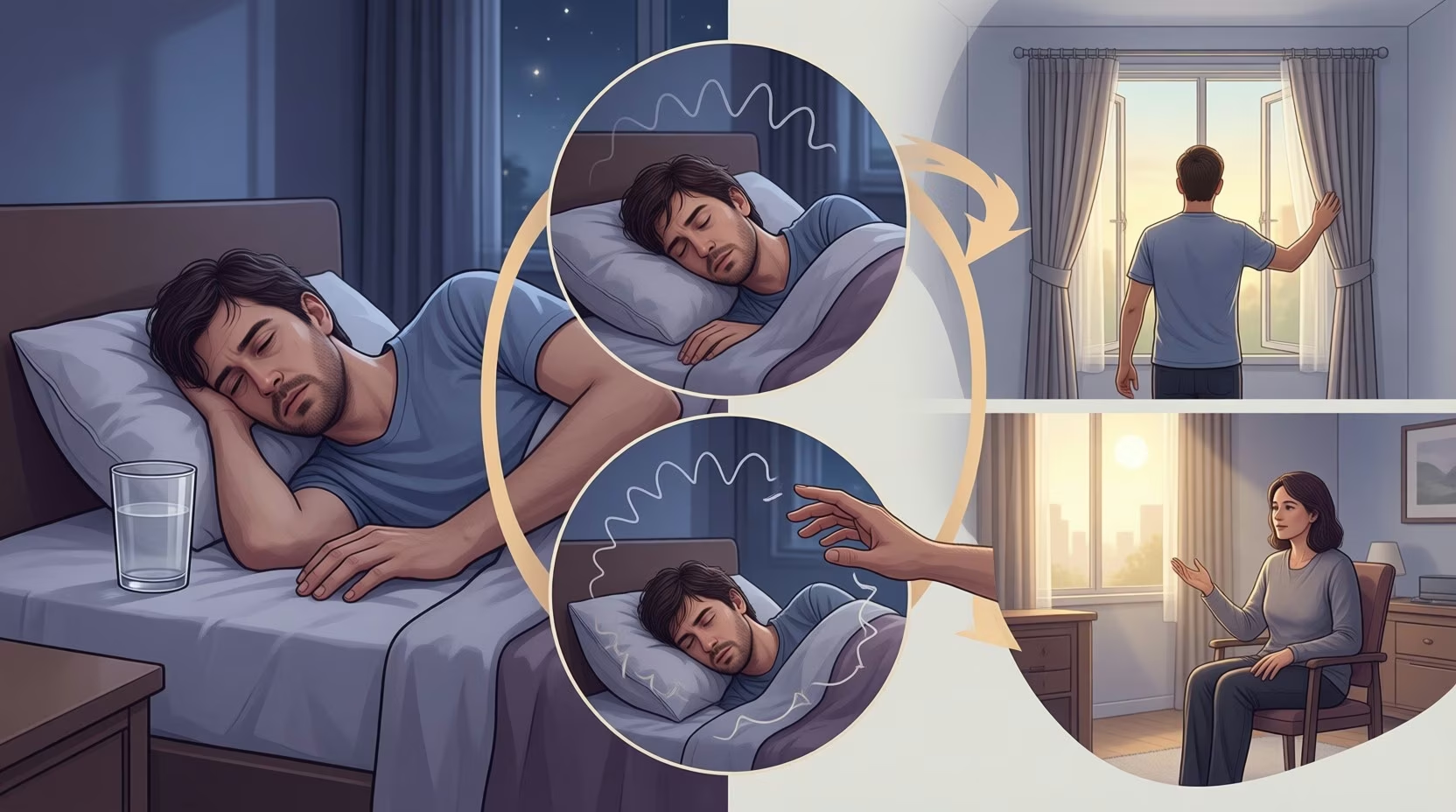
Flat editorial illustration: Health-editorial illustration of the two-way relationship between substance use and disrupted sleep,
How Sleep Disruption Feeds the Addiction Cycle and What You Can Do About It
Addiction Recovery Mental Health Wellness
November 6, 2026

You Might also Like

wearable tech and HIPAA compliance
BusinesseHealthMedical DevicesMobile HealthPolicy & LawTechnology

What Developers Need to Know About HIPAA Compliance in Wearable Tech

May 19, 2014
health reform
Policy & Law

Medical Regulations Run Amok!

March 11, 2013

Parkinson’s Disease: 14 Early Warning Signs of Onset

June 4, 2013
Securement-size-growth
Global HealthcareMedical DevicesTechnology

Surgical Sealants, Glues, Sutures/Clips, Hemostats Outside the U.S.

September 27, 2011
Subscribe
Subscribe to our newsletter to get our newest articles instantly!
Follow US
© 2008-2026 HealthWorks Collective. All Rights Reserved.
  • About
  • Contact
  • Privacy
Welcome Back!

Sign in to your account

Username or Email Address
Password

Lost your password?