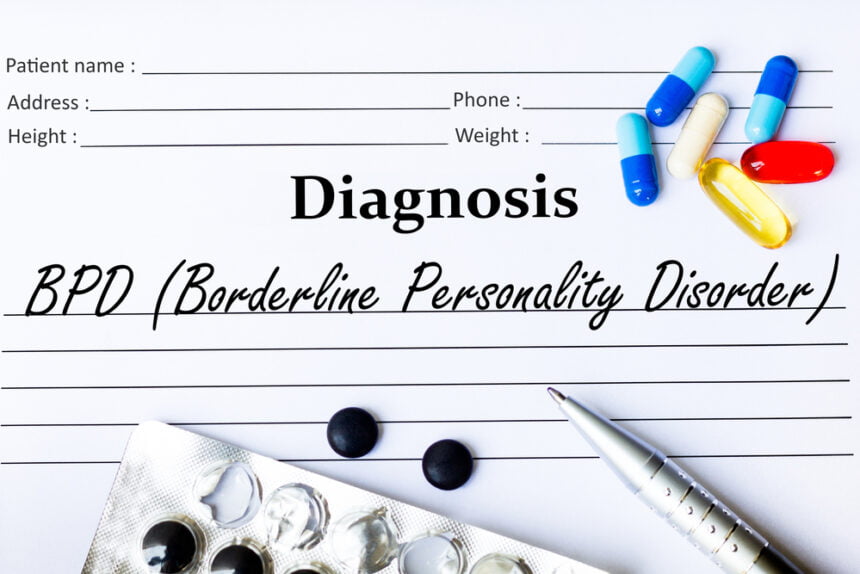
Borderline personality disorder is an Axis II personality disorder that affects approximately four million people in the United States alone. It is a lifelong problem, but there are a number of things that patients can do to minimize their symptoms. Medication is an option that may take the edge off the disorder.
Is Medication an Effective Therapy for Borderline Personality Disorder?
Mental health experts have debated the right course of treatment for patients with borderline personality disorder, because it such a difficult problem to treat. The Mayo Clinic and most other experts agree that psychotherapy is generally the best approach to helping patients recover from BPD and other Axis II personality disorders. Additionally, individuals with BPD often experience intense relationships, with a tendency to have a borderline personality favorite person. Some therapies that have been proven to help include Dialectical behavior therapy (DBT) and Schema-focused therapy. However, medication is also helpful and often necessary for patients in many instances. It is usually needed to help patients deal with some of the ancillary problems borderline causes.
What Medications Help Patients Struggling with BPD?
Patients that have been diagnosed with BPD have a number of symptoms that need treatment, including:
- Depression
- Anxiety
- Insomnia
- Propensity to rage
- In rare cases, psychosis
These symptoms can complicate other treatments and lead to distress in the patient?s life, which can worsen the condition. Over time, they contribute to a vicious cycle that can make the disorder worse. There are a number of medications that can help take the edge off of these problems, which will help the patient make progress in their treatment. Here are some medications that are commonly prescribed to patients with BPD. Abilify Most borderline patients suffer from reality-based delusions, which aren?t treatable with anti-psychotics. However, some borderline patients also suffer from more serious forms of psychosis, which need to be treated. According to Pharmacotherapy for borderline personality disorder: Cochrane systematic review of randomised trials in theBritish Journal of Psychiatry, Abilify is one of the medications most commonly used to treat patients with borderline personality disorder. It is an antipsychotic agent that helps patients deal with delusions. Quetiapine Quetiapine is a multi-purpose medication that can treat major depressive disorder, bipolar disorder and bipolar depressive disorder. BPD often coexists with these disorders, so psychiatrists often prescribe it to patients with the disorder. Topamax Since patients with BPD often suffer from bipolar disorder, they may need to take mood stabilizers. Topamax is one of the most effective on the market and is often prescribed to BPD patients over Risperdal and Lithium. Olanzapine Olanzapine is another common anti-psychotic medication. It is often used in conjunction with Haldol and other anti-psychotics. Older patients with BPD may be at risk of seizures and other serious health problems if they take olanzapine, so it is prescribed sparingly to patients in this age group. It is usually reserved for BPD patients that are also suffering from schizophrenia or another thought disorder.
More Read

BPD Can Be Treated With Medication
Unfortunately, there is no permanent cure to borderline personality disorder. It is a mental health condition that will plague the patient for their entire lives. However, there are a lot of ways that patients can take an edge off the symptoms. Many forms of medication have been proven to be effective and psychiatrists prescribe them regularly.