We use cookies, including third-party cookies from Google to serve personalized ads through AdSense, to operate this site and understand how it is used. By continuing to browse, you accept this use. See our Privacy Policy and Terms of Use for details, including how to opt out of personalized advertising.
Accept
Health Works CollectiveHealth Works CollectiveHealth Works Collective
  • Health
    • Mental Health
  • Policy and Law
    • Global Healthcare
    • Medical Ethics
  • Medical Innovations
  • News
  • Wellness
  • Tech
Search
© 2023 HealthWorks Collective. All Rights Reserved.
Reading: More Engaged Patient Care Means Expanding the Definition of “Healthcare”
Share
Notification Show More
Font ResizerAa
Health Works CollectiveHealth Works Collective
Font ResizerAa
Search
Follow US
  • About
  • Contact
  • Privacy
© 2023 HealthWorks Collective. All Rights Reserved.
Health Works Collective > eHealth > Mobile Health > More Engaged Patient Care Means Expanding the Definition of “Healthcare”
eHealthMobile HealthTechnology

More Engaged Patient Care Means Expanding the Definition of “Healthcare”

Deanna Pogorelc
Deanna Pogorelc
Share
3 Min Read
SHARE

Healthcare definition engaged patient careOne question I like to ask to stimulate conversation with people in the healthcare industry is, what kind of technologies and tools do you think have exciting potential to change the way care is delivered?

Healthcare definition engaged patient careOne question I like to ask to stimulate conversation with people in the healthcare industry is, what kind of technologies and tools do you think have exciting potential to change the way care is delivered?

When I posed that question to Lygeia Ricciardi, director of the Office of Consumer eHealth at the ONC, during ENGAGE, she mentioned she was especially excited about digital tools that would allow for better collaboration and communication in between doctor appointments.

Her vision for the future of healthcare follows the thinking of the quantified self movement, where patients use sensors and mobile apps to collect data even beyond what would normally be thought of as “health data” that would help them work with a physician to maintain their wellness. As an example, she cited a Project HealthDesign study in which sensors embedded in a coffee maker detected behaviors in seniors that represented early signs of dementia.

More Read

Benefits of Long-Form Content in Healthcare Marketing
Google + Replaces Google Health
State by State Telemedicine Licensure
Monetization or Medicine? Tracking Organ Donor Status on Facebook
Mobile Health Around the Globe: C8 MediSensors in Spain

Wide acceptance of this kind of behavior would require the public to broaden its thinking about what health is, and would also require policymakers to address some themes that haven’t yet been resolved.

One of those issues, according to Ricciardi, would be figuring out how to make data flow from the patients to doctors. Meaningful Use Stage 2 pushes into patient engagement in urging providers to give patients access to their electronic medical records, but the question still remains around how to get data collected by the patients to flow back into the physicians.

Other unanswered questions focus on privacy around data — both in terms of who should be able to access and use data generated by physicians and patients themselves. One audience member brought up another interesting question that will play into whether patient engagement “sticks”: Will physicians eventually be reimbursed for social engagement that occurs outside of an appointment?

Ricciardi said that personally she would like to see them reimbursed for engagement, and thinks we’ll see more of that as we move toward reimbursement for keeping people well.

Originally published on MedCityNews.com.

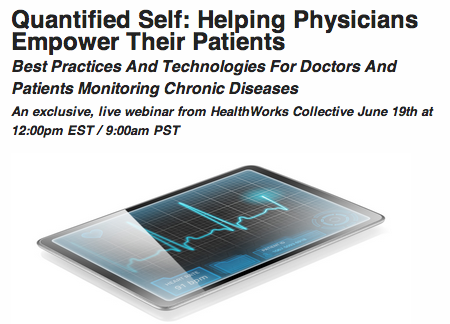
If you like the topics in this post, then you will LOVE our upcoming webinar on Self-Monitoring: Register Now!

 Image

TAGGED:digital toolsengaged patient care
Share This Article
Facebook Copy Link Print
Share

Stay Connected

1.5KFollowersLike
4.5KFollowersFollow
2.8KFollowersPin
136KSubscribersSubscribe

Latest News

Biofeedback Technology in Addiction Treatment: What the Evidence Shows So Far -- AI-generated illustration
Biofeedback Technology in Addiction Treatment: What the Evidence Shows So Far
Addiction Addiction Recovery
September 28, 2026
Charity Care Is Written Into Hospital Policy. It Rarely Makes It Onto the Bill. -- AI-generated illustration
Charity Care Is Written Into Hospital Policy. It Rarely Makes It Onto the Bill.
Business Hospital Administration
September 25, 2026
A Global Perspective on Medicine: Lessons Learned Across Borders -- AI-generated illustration
A Global Perspective on Medicine: Lessons Learned Across Borders
Medicines
September 23, 2026
KMG Psychiatry Discusses the Role of Self-Awareness in Mental Health  -- AI-generated illustration
KMG Psychiatry Discusses the Role of Self-Awareness in Mental Health 
Mental Health
September 23, 2026

You Might also Like

MRgFUS Could be a Viable Option for Facet Joint Back Pain

August 4, 2011

Titanium: The Latest Building Block for The Future Of Medicine

March 24, 2018
eHealthHealth careMedical DevicesMedical InnovationsNewsTechnology

Microsoft Aims to Transform Healthcare Using Artificial Intelligence and Machine Learning

October 2, 2017

Mobile Medicine: Apps To Manage Your Health

June 17, 2015
Subscribe
Subscribe to our newsletter to get our newest articles instantly!
Follow US
© 2008-2026 HealthWorks Collective. All Rights Reserved.
  • About
  • Contact
  • Privacy
Welcome Back!

Sign in to your account

Username or Email Address
Password

Lost your password?