We use cookies, including third-party cookies from Google to serve personalized ads through AdSense, to operate this site and understand how it is used. By continuing to browse, you accept this use. See our Privacy Policy and Terms of Use for details, including how to opt out of personalized advertising.
Accept
Health Works CollectiveHealth Works CollectiveHealth Works Collective
  • Health
    • Mental Health
  • Policy and Law
    • Global Healthcare
    • Medical Ethics
  • Medical Innovations
  • News
  • Wellness
  • Tech
Search
© 2023 HealthWorks Collective. All Rights Reserved.
Reading: Osteopathic Medical Schools Are Increasing the Numbers of Quality Grads
Share
Notification Show More
Font ResizerAa
Health Works CollectiveHealth Works Collective
Font ResizerAa
Search
Follow US
  • About
  • Contact
  • Privacy
© 2023 HealthWorks Collective. All Rights Reserved.
Health Works Collective > Policy & Law > Health Reform > Osteopathic Medical Schools Are Increasing the Numbers of Quality Grads
BusinessHealth ReformMedical EducationPolicy & Law

Osteopathic Medical Schools Are Increasing the Numbers of Quality Grads

MichaelDouglas1
MichaelDouglas1
Share
3 Min Read
osteopaths
SHARE

osteopathsAs the ACA continues its labyrinthine course into the nation’s political boilerplate, talk almost always returns to the issue of primary care supply for the demand that many healthcare policy pundits assert that will occur as a by-product of the legislation.

osteopathsAs the ACA continues its labyrinthine course into the nation’s political boilerplate, talk almost always returns to the issue of primary care supply for the demand that many healthcare policy pundits assert that will occur as a by-product of the legislation.

Utilization of mid-level providers (NPs, PA’s, etc.) have entered into that discussion. But not has much has been said about that other degree of physician provider — the osteopathic physician provider. Patients may or may not have thought about the difference in designation — which is largely in nomenclature, only. A doctor is a doctor. But, as more attention is turned to the level of primary care penetration within the healthcare marketplace in the short term, doctors of osteopathic medicine (DO’s) are getting a bigger share of the spotlight.

Osteopathic skills were first consolidated by a 19th-century frontier physician, Andrew Taylor Still, who decried the overuse of arsenic, castor oil, opium and elixirs and believed that many diseases had their roots in a disturbed musculo-skeletal system that could be treated hands on. He founded the first osteopathic school in 1892 in Kirksville, Mo. — A.T. Still University. Critics have, from time to time, assailed the techniques as pseudoscience, though the medical establishment has come to accept the approach. And osteopathic schools offer the same academic subjects as traditional medical schools and the same two years of clinical rotations.

But an image problem remains. A survey last year by the American Osteopathic Association found that 29 percent of adults were unaware that D.O.s are licensed to practice medicine, 33 percent didn’t know they can prescribe medicine and 63 percent didn’t know they can perform surgery.

A physician is a physician. Increasing the numbers of those who can provide quality care in this age of 21st century care delivery only benefits the patient. Just ask your average veteran.

More Read

Debt Ridden Hospital in the UK Taken Over By Private Firm
Why You Should Perform a HIPAA Risk Assessment
Why Retail Competition for Doctors Is Just Plain Scary
IVF: The Three Biggest Myths
Determining Paths of Research

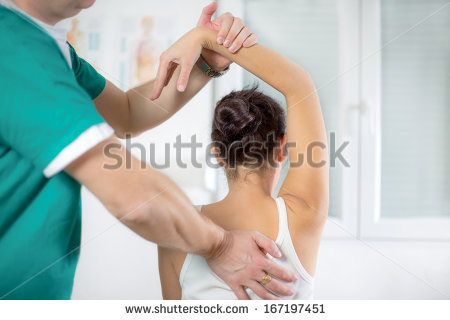
osteopath / shutterstock

TAGGED:ACAosteopaths
Share This Article
Facebook Copy Link Print
Share

Stay Connected

1.5KFollowersLike
4.5KFollowersFollow
2.8KFollowersPin
136KSubscribersSubscribe

Latest News

Biofeedback Technology in Addiction Treatment: What the Evidence Shows So Far -- AI-generated illustration
Biofeedback Technology in Addiction Treatment: What the Evidence Shows So Far
Addiction Addiction Recovery
September 28, 2026
Charity Care Is Written Into Hospital Policy. It Rarely Makes It Onto the Bill. -- AI-generated illustration
Charity Care Is Written Into Hospital Policy. It Rarely Makes It Onto the Bill.
Business Hospital Administration
September 25, 2026
A Global Perspective on Medicine: Lessons Learned Across Borders -- AI-generated illustration
A Global Perspective on Medicine: Lessons Learned Across Borders
Medicines
September 23, 2026
KMG Psychiatry Discusses the Role of Self-Awareness in Mental Health  -- AI-generated illustration
KMG Psychiatry Discusses the Role of Self-Awareness in Mental Health 
Mental Health
September 23, 2026

You Might also Like

Medical Education

The Art of Medicine: A Pursuit of the Truth

April 15, 2012
inappropriate antibiotics for a cold just say no
Public Health

Antibiotics for a Virus? How to Just Say “No”

December 21, 2012
debunking-myths-myth3.png
BusinesseHealthPublic Health

Debunking Digital Patient Recruitment Myths for Clinical Trials: Myth 3

April 19, 2016
Image
BusinessNews

High Quality, Low Cost HealthCare Video Interview Series: David Wong and SnapHealth

October 23, 2012
Subscribe
Subscribe to our newsletter to get our newest articles instantly!
Follow US
© 2008-2026 HealthWorks Collective. All Rights Reserved.
  • About
  • Contact
  • Privacy
Welcome Back!

Sign in to your account

Username or Email Address
Password

Lost your password?