We use cookies, including third-party cookies from Google to serve personalized ads through AdSense, to operate this site and understand how it is used. By continuing to browse, you accept this use. See our Privacy Policy and Terms of Use for details, including how to opt out of personalized advertising.
Accept
Health Works CollectiveHealth Works CollectiveHealth Works Collective
  • Health
    • Mental Health
  • Policy and Law
    • Global Healthcare
    • Medical Ethics
  • Medical Innovations
  • News
  • Wellness
  • Tech
Search
© 2023 HealthWorks Collective. All Rights Reserved.
Reading: How to Engage Patients: Start with Strategic Planning
Share
Notification Show More
Font ResizerAa
Health Works CollectiveHealth Works Collective
Font ResizerAa
Search
Follow US
  • About
  • Contact
  • Privacy
© 2023 HealthWorks Collective. All Rights Reserved.
Health Works Collective > Policy & Law > Health Reform > How to Engage Patients: Start with Strategic Planning
BusinesseHealthHealth Reform

How to Engage Patients: Start with Strategic Planning

kelleyconnors
kelleyconnors
Share
3 Min Read
patient engagement
SHARE

patient engagementPatient engagement is on the minds of healthcare leaders today who care about the Affordable Care Act and its driver, healthcare reform.

patient engagementPatient engagement is on the minds of healthcare leaders today who care about the Affordable Care Act and its driver, healthcare reform. While many healthcare leaders embrace the engagement as a concept, challenges loom large in an industry characterized by opposing financial incentives that have, heretofore, kept patients passive, and living with preventable and progressive conditions that lead to rising healthcare costs.

According to Susan Dentzer, editor of Health Affairs, “Research shows that more informed and empowered patients, who participate with their providers in making wise care decisions, have better health outcomes – and there’s some evidence that they even have lower healthcare costs. And, if there were a blockbuster in this case, the  “drug” is actually a concept – patient activation and engagement – that should have formed the heart of health care all along.”

As a digital health champion and women’s health and caregiving advocate, I constantly explore how to engage patients and caregivers, to lower health care costs and increase the opporotunity for both improved health and better wellbeing. As a result, I have a “3 P’s” construct for patient engagement. Starting with Strategic Planning, here is the first step:

More Read

Medical Advances Aid Fight Against Pollution-Caused Skin Conditions
Micro-Moments and Healthcare Marketing: What you Need to Know
Why Can’t Cincinnati Hospitals Survive on Medicare + 40%?
Person-Centered HealthCare: David-Michel Davies of Webby Award Fame Talks Public Health
Should You Trust Your Doctor More Than Wikipedia?

Strategic planning involves identification of unmet patient needs and may be framed according to barriers to engagement.  This completely depends on your own persepctive. Do you focus on clinical care?  Marketing and Communications? Customer Service? Caregivers? Community Relations?

Interested in caregiving, I researched key unmet needs as compiled by the AARP as part of my blogger role with them. They helped me with the resources so caregivers would self-identify and then navigate the world of caregiving. As a health and wellness advocate for women in particular, I know that caregivers do a poor job of asking for help and taking care of themselves in the care process.  

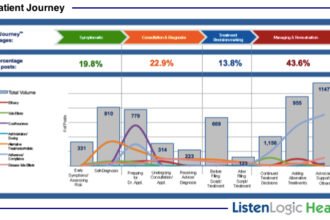
In general, the process for strategic planning includes exploring unmet needs and mapping a new pathway to meet those needs. The mapping process helps pave the way for a greater understanding of how your organization or brand can serve a segment of your patients better.  For example, if you would like to engage your patients in your health or wellness brand, your planning inquiry should explore impact and relationship between existing and concomitant health conditions, a characterization of daily well-being routines, understanding of self-efficacy and what it will take to adopt a new health or wellness behavior.

(patient engagement / shutterstock)

Share This Article
Facebook Copy Link Print
Share

Stay Connected

1.5KFollowersLike
4.5KFollowersFollow
2.8KFollowersPin
136KSubscribersSubscribe

Latest News

Before Sterilization Begins: Why Bioburden Testing Matters -- AI-generated illustration
Before Sterilization Begins: Why Bioburden Testing Matters
Health Infographics
September 11, 2026
Hidden Cybersecurity Roadblocks That Can Complicate FDA Submissions -- AI-generated illustration
Hidden Cybersecurity Roadblocks That Can Complicate FDA Submissions
Infographics Policy & Law Technology
September 11, 2026
Smaller, Lighter, Smarter: How Inflation Is Changing Wellness Packaging -- AI-generated illustration
Smaller, Lighter, Smarter: How Inflation Is Changing Wellness Packaging
Infographics Wellness
September 11, 2026
How Roof Deterioration Affects Indoor Air Quality and the Health of Building Occupants -- AI-generated illustration
How Roof Deterioration Affects Indoor Air Quality and the Health of Building Occupants
Health
September 10, 2026

You Might also Like

boomer doctors mHealth
eHealthMedical RecordsMobile Health

Boomer Voice: Why Don’t Boomer Docs Embrace Mobile?

August 28, 2013

State Medical Boards Address Inappropriate Online Physician Behaviors

January 19, 2013
medisafe
BusinesseHealthMedical InnovationsMobile HealthTechnology

MediSafe’s Custom Feed Creates Better Health Engagement, On the Go

November 10, 2014

Rocketman

August 20, 2011
Subscribe
Subscribe to our newsletter to get our newest articles instantly!
Follow US
© 2008-2026 HealthWorks Collective. All Rights Reserved.
  • About
  • Contact
  • Privacy
Welcome Back!

Sign in to your account

Username or Email Address
Password

Lost your password?