We use cookies, including third-party cookies from Google to serve personalized ads through AdSense, to operate this site and understand how it is used. By continuing to browse, you accept this use. See our Privacy Policy and Terms of Use for details, including how to opt out of personalized advertising.
Accept
Health Works CollectiveHealth Works CollectiveHealth Works Collective
  • Health
    • Mental Health
  • Policy and Law
    • Global Healthcare
    • Medical Ethics
  • Medical Innovations
  • News
  • Wellness
  • Tech
Search
© 2023 HealthWorks Collective. All Rights Reserved.
Reading: Telemonitoring Can Help Control and Lower Blood Pressure, Research Shows
Share
Notification Show More
Font ResizerAa
Health Works CollectiveHealth Works Collective
Font ResizerAa
Search
Follow US
  • About
  • Contact
  • Privacy
© 2023 HealthWorks Collective. All Rights Reserved.
Health Works Collective > eHealth > Mobile Health > Telemonitoring Can Help Control and Lower Blood Pressure, Research Shows
eHealthMobile Health

Telemonitoring Can Help Control and Lower Blood Pressure, Research Shows

rdowney14
rdowney14
Share
2 Min Read
Image
SHARE

Image

Image

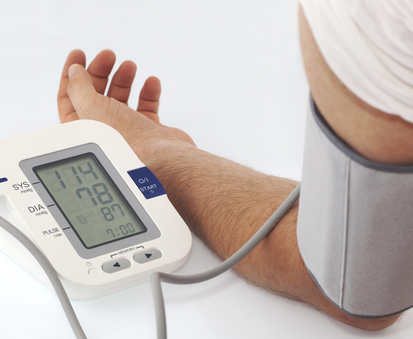
Research presented by the American Heart Association may diminish the number of heart attacks, strokes and other complications in patients with high blood pressure. They found that patients who participated in a pharmacist supported, at-home, high blood pressure telemonitoring program were more likely to lower their blood pressure than those without the support. Although high blood pressure patients typically visit physicians an average of four times a year, blood pressure seems to be controlled in only half the cases.

The study, led by Karen Margolis, MD of HealthPartners Research Foundation in Bloomington, Minnesota, examined patients with uncontrolled high blood pressure. Half the patients received traditional care through their primary care providers. The other half not only saw their primary care physician but also received high blood pressure management and telemonitoring support from a pharmacist. The telemonitored patients measured their blood pressure at home and sent the readings electronically to a secure website where pharmacists could access the information and use it to consult with patients every two to four weeks by phone. Both patient groups had their blood pressure measured at the beginning of the study and then measured again after 6 months.

More Read

Big data in healthcare
Big Data = Big Brother? Leveraging Transaction Data for Better Healthcare
Physicians and Blogging
2012 – Year for mHealth?
Getting It Right: More Physician Reputation Management Rules [Part 2]
Review of eResponder Personal Emergency Response System (PERS)

After 6 months both patient groups lowered their blood pressure to healthier levels; under 140/90 millimeters of mercury (mm Hg) in most patients, and under 130/80 mm Hg in those with diabetes or kidney disease. The intervention group using telemonitoring, however, reduced their blood pressure a significant 30% lower than the traditional care group. These patients also received more high blood pressure medications and reported that they were more likely than the other group to remember to take their medications consistently.

photo:cheyennezj/shutterstock

TAGGED:telemedicine
Share This Article
Facebook Copy Link Print
Share

Stay Connected

1.5KFollowersLike
4.5KFollowersFollow
2.8KFollowersPin
136KSubscribersSubscribe

Latest News

The Administrator's Guide to Auditing Regulated Waste Before an OSHA Inspection -- AI-generated illustration
The Administrator’s Guide to Auditing Regulated Waste Before an OSHA Inspection
Policy & Law
August 31, 2026
What Geographic and Specialty Variation Reveals About How Nursing Compensation Actually Works -- AI-generated illustration
What Geographic and Specialty Variation Reveals About How Nursing Compensation Actually Works
Career Nursing
August 27, 2026
Could Poor Ventilation Be Behind Your Afternoon Headaches?  -- AI-generated illustration
Could Poor Ventilation Be Behind Your Afternoon Headaches? 
Health
August 27, 2026
The Myth That Keeps People Stuck -- AI-generated illustration
The Myth That Keeps People Stuck
Addiction Recovery
August 25, 2026

You Might also Like

google glass in healthcare
eHealthMobile HealthTechnology

Google Glass in Primary Care

September 4, 2013
DiagnosticsRemote Diagnostics

6 Innovative Technologies Making Medical Diagnostics More Predictive

February 16, 2022

Electronic Medical Records: Should the SEC Track the Brokerage Accounts of Hospital Clerks?

April 12, 2011

2012 Predictions for Health IT

January 3, 2012
Subscribe
Subscribe to our newsletter to get our newest articles instantly!
Follow US
© 2008-2026 HealthWorks Collective. All Rights Reserved.
  • About
  • Contact
  • Privacy
Welcome Back!

Sign in to your account

Username or Email Address
Password

Lost your password?