Nurses are essential workers, and they had to work throughout the pandemic to save countless lives and avert the disaster. Nurses faced unsurmountable pressure to save millions of people from a ravaging virus. Unfortunately, several issues only made the situation worse. For example, nurses had to face widespread shortages of protective equipment. In addition, most healthcare providers had to self-isolate from loved ones in fear of passing the virus to them.
Therefore, 2020 was the year of the nurses. It was a dedication to the tireless efforts of nurses. During this challenging time, nursing roles evolved and changed. Nurses assumed more leadership roles as they tried to handle primary care during an international crisis. They also became active collaborators in research, primary care, and policymaking to improve patient care. Nurse leaders created innovative strategies to enhance patient care and improve patient satisfaction. The global pandemic was a challenge to healthcare professionals, from physicians to immunologists to nurses. Fortunately, everyone answered the call for help and went above and beyond their duty. They showed that fighting the crisis together can open a path to victory.
Nurse leaders were at the frontline of the crises. They were busy improving supply chain practices, guiding management protocols, and engaging in on-site administration. They improved decision-making and helped resolve challenges. But, only some of these leaders have graduate-level degrees and decades of experience. For example, only one percent of nurses have a terminal degree in nursing. Therefore, without adequate qualifications, nurse leaders have to innovate to handle future challenges. The limited workforce must move beyond challenges and manage the post-pandemic situation. And they must do this while grappling with a nurse leader shortage.
Following are some ways nurse leadership can handle the evolving situation:
More Read

- Create a Standing Pandemic Task Force
The pandemic identified several weaknesses in our preparedness for national medical disasters. We cannot afford to remain ill-prepared for any future emergencies. Therefore, nurse leaders must establish standing committees and task forces to monitor and handle any challenges. In addition, they must advocate for better support to essential workers and simplify existing protocols.
- Remain Accessible
Initially, leaders did not understand the gravity of the situation before things got out of control. Since ward rounds are not a priority for most leaders, they could not identify barriers to patient care during a pandemic. Therefore, nurse leaders must round regularly to coordinate with the staff. They have to work as a team, so they must communicate and engage with the organization. Regular rounds and morning meetings can help them build trust.
- Redeploy Clinical Staff Where People Need Them
During the pandemic, many surgical procedures were postponed or canceled. Caring for Covid-19 patients or terminally ill individuals became a priority while everything else was on the back burner. Since infection rates are stable, it is time to wind down operations. Nurses must try to move beyond primary care and refresh overburdened RNs.
- Improve Communication and Collaboration
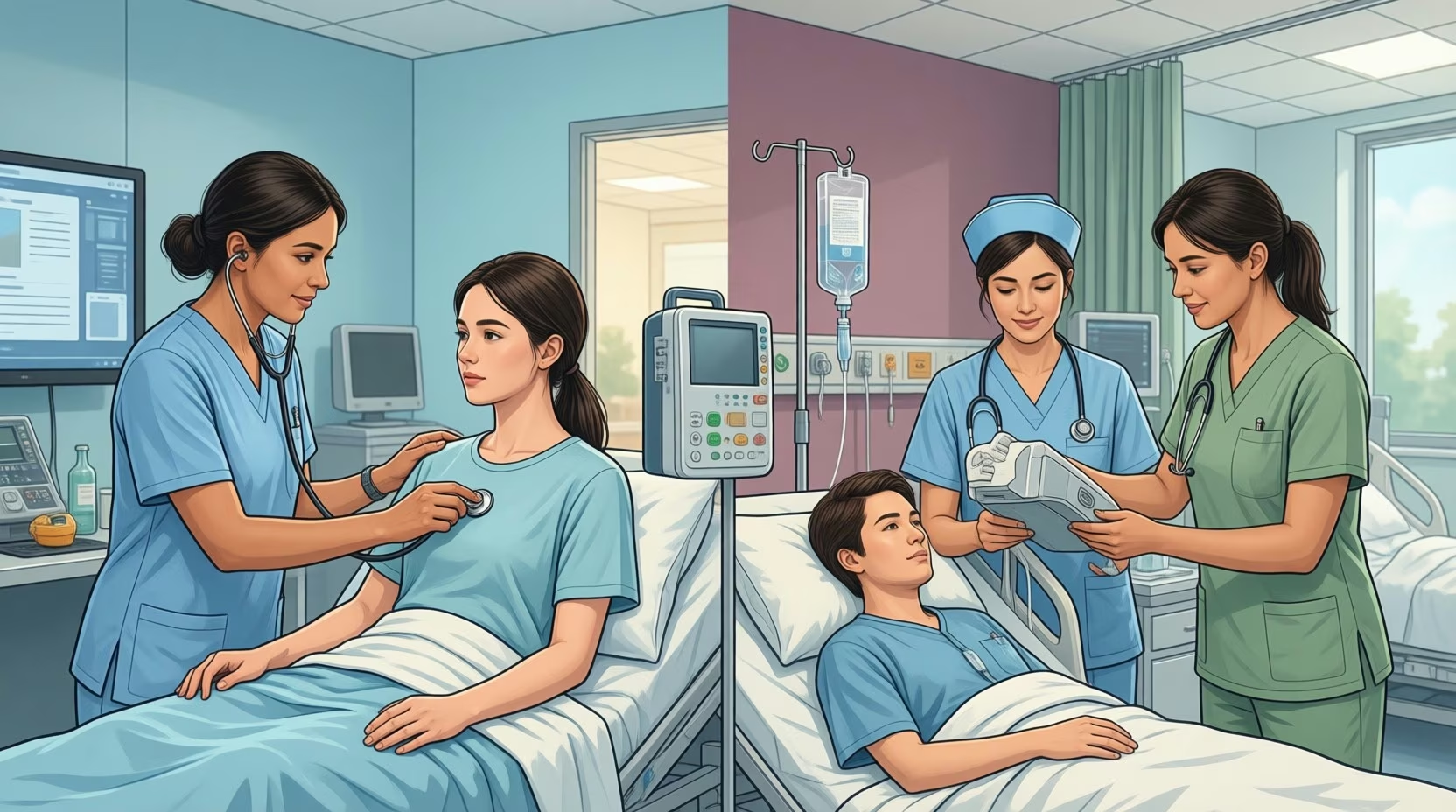
Gone are the days of nurses working as assistants of doctors and physicians. Modern nurses are not only superheroes, but they are also team members and collaborators. They work as a team with other primary care providers. Therefore, they must have the skills to support them in their roles. Not only can better communication improve patient care, but it can also alleviate stress and promote transparency.
- Re-Focus on Mental Health
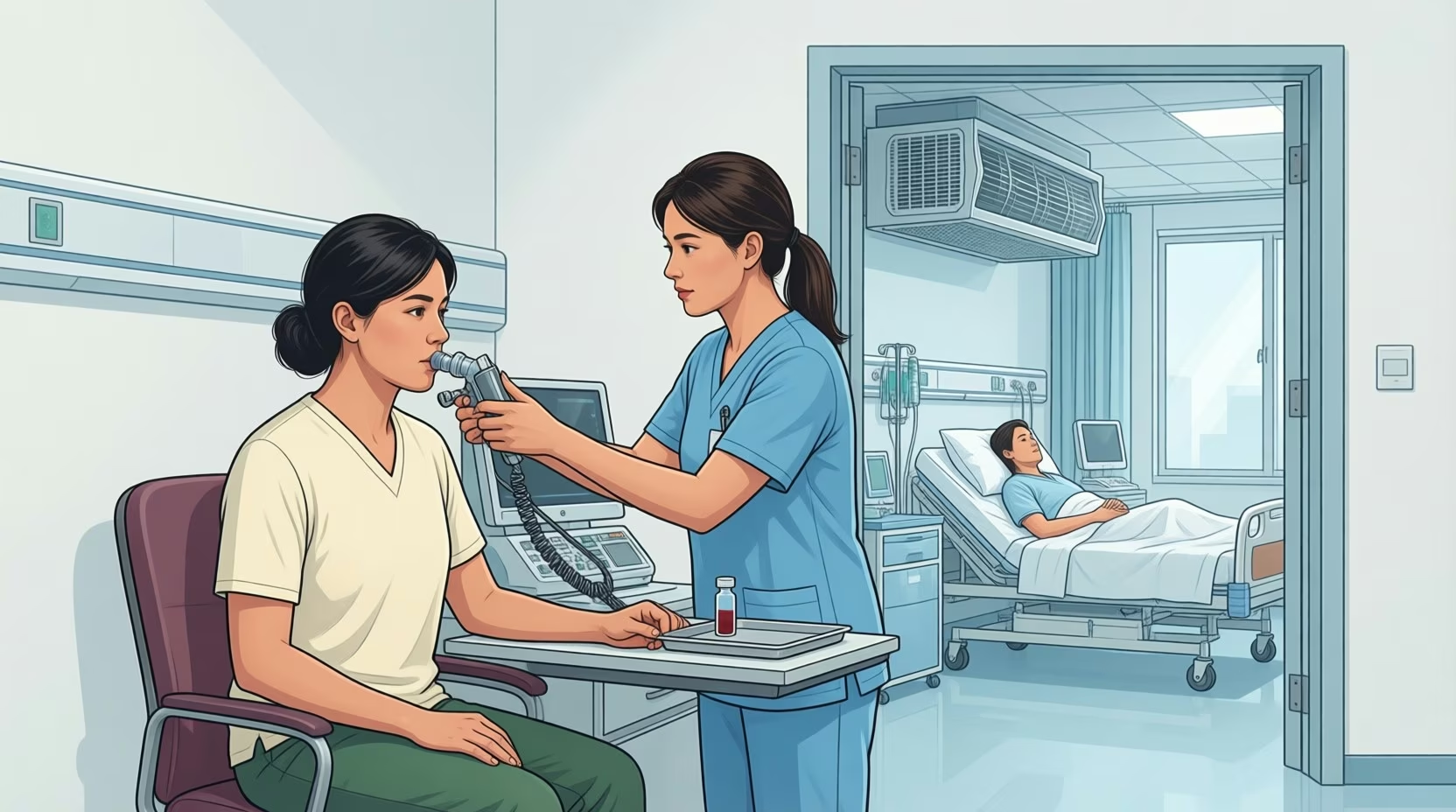
Millions of people around the world lost their lives after struggling to breathe. Nurses had to experience anxiety, grief, and fear as the dead bodies piled up and rates of infections soared. And this is a common complaint amongst nurses. According to one study, eight in ten nurses believe that their mental health has worsened because of Covid-19. These nurses and primary care providers require assistance and education to help them cope with this issue. Therefore, nurse leaders must focus on the emotional and physical well-being of medical professionals.
- Increase Representation
Nurses must be present wherever medical professionals discuss matters of policy and health systems. They have to understand that their valuable input can identify the flaws within the system. Sadly, there are too few nurses with the right skills and training to increase representation. So, we need to increase recruitment and improve training procedures for nurse leaders.
- Use Digital Technology
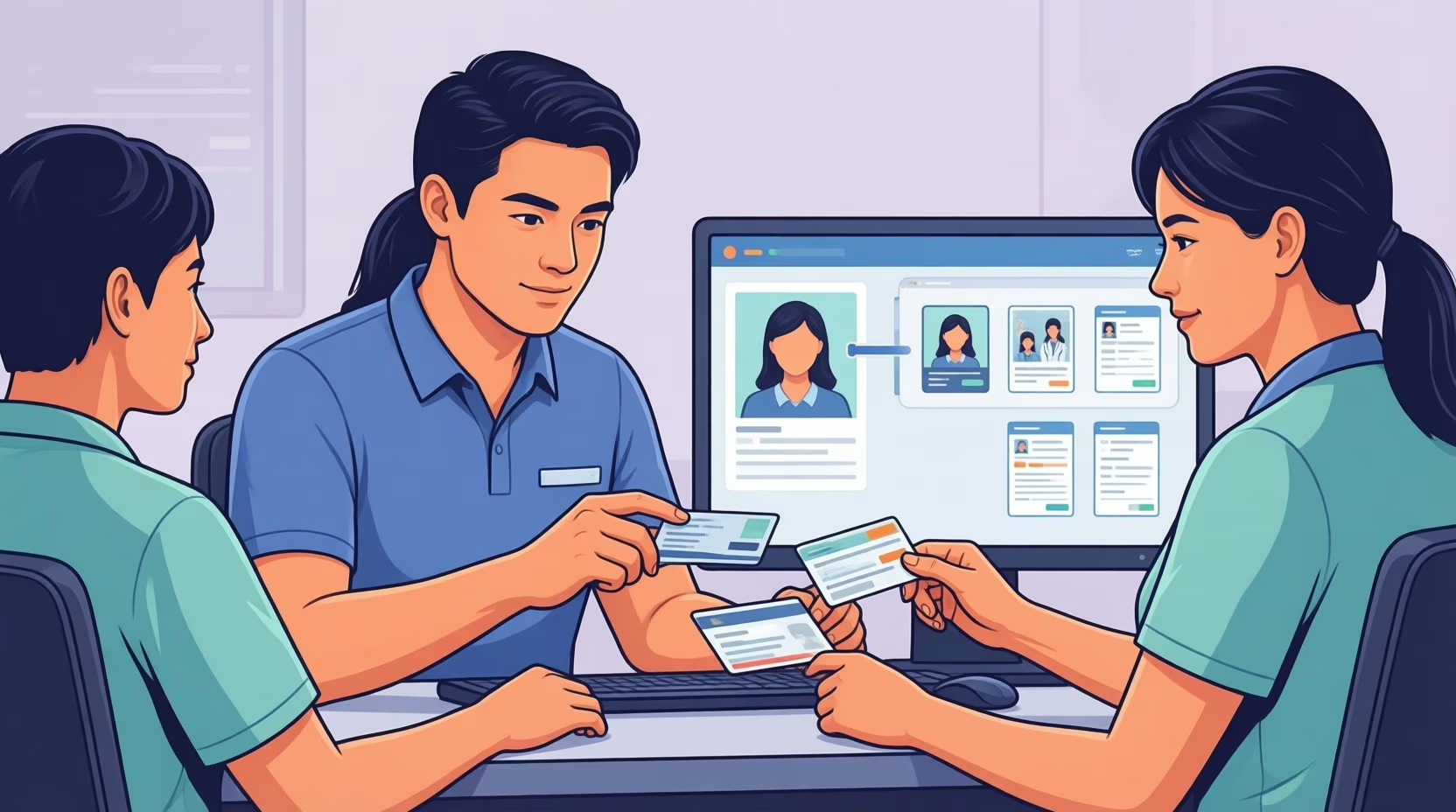
Social distancing was a fundamental challenge to providing patient care. Nurses also found it challenging to contact fellow careers and access patient files. Fortunately, technology saved the day. Nurses started using communication tools to speak to healthcare professionals and update patient conditions. These tools can improve patient care and efficiency.
- Increase Advocacy
The pandemic highlighted inequities within healthcare. Social and racial injustice came to the forefront of public health as racial and ethnic minority groups faced several health risks. Unfortunately, most of these communities do not have access to affordable, high-quality healthcare. Nurses can act as advocates to uphold the rights of these groups and provide patient care. They can offer mobile clinics to screen patients and educate them about healthy lifestyles.
- Encourage Telehealth Visits
Telehealth visits are the most profound improvements within healthcare. A well-timed virtual visit with a nurse can allay fears and improve health. It can also help families of patients avoid unnecessary stress and anxiety. They increase safety and provided timely medical intervention. Nurse leaders must continue to encourage using telehealth to manage the burden of in-person visits.
Conclusion
While the past year was challenging, it also illuminated that the relentless human spirit can overcome any odds. Millions of people volunteered to re-enter the workforce and care for patients. And as vaccination drives continue, the horrifying nightmare may be coming to an end. However, it highlighted how humans defeat anything when they work together and prioritize the greater good.