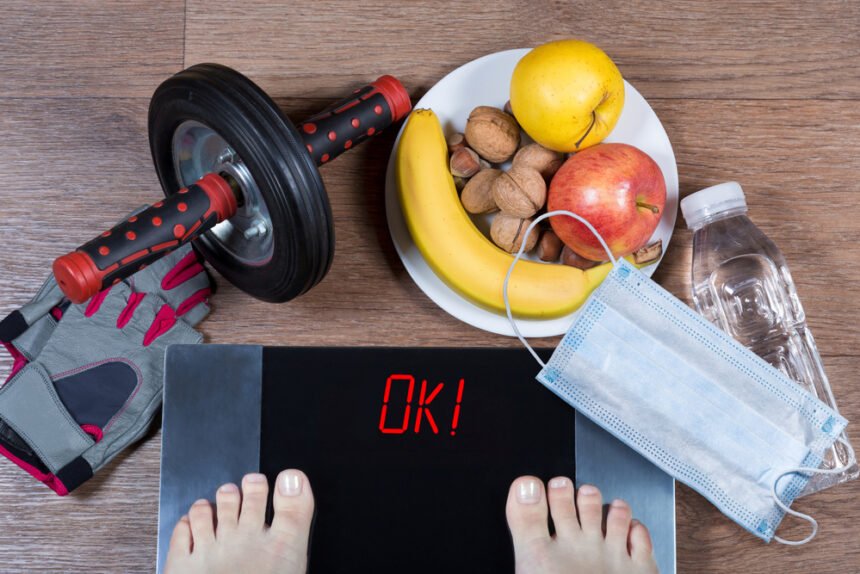
According to a study recently published in JAMA Network Open, Americans gained more than just a pervading sense of isolation and restlessness during the pandemic quarantine. They also managed to accumulate a little bit of extra weight during this period, as well, to the tune of approximately two pounds per month.
It’s no secret that the coronavirus pandemic had been challenging for many, leading to more and more people turning to unhealthy coping mechanisms to help them contend with their elevated stress during the uncertainty. Similar research found depression, alcoholism, and even domestic abuse on the rise during this same time frame.
Now that people are returning to work and greater levels of activity after all the lockdowns there is hope for calorie burning just through living a normal life, but it’s not that easy. Many left without jobs or only small bits of freelance work over the last year may not be so eager to get back out there, for work or play, after their weight gain. The process of acquiring gainful employment can be a long one too, from interviews to a job background check it’s not as easy as ordering from Uber Eats and waiting. Luckily, employers know this and are working to streamline their hiring process and up their employee retention.

However, while these issues did get their share of time in the public eye, not many are talking about the “Quarantine Nineteen” — the approximately twenty pounds that the average person gained during the shelter-in-place.
Obesity: a public health crisis
Two pounds may not seem like a significant amount of weight to gain, and many people can easily fluctuate this amount in a month. It’s when that weight sticks around, and joins forces with additional pounds, that it starts to become problematic.
The United States has had its own share of weight-related issues over the past several decades, and it continues to get worse. With the majority of Americans overweight, and nearly half of us approaching obesity, the nation is currently in the midst of a so-called obesity crisis.
The data regarding it is fairly bleak, too. Currently, over 99 million Americans are overweight (73.6%) and of these numbers, 70 million are considered obese (42.5%). Therefore, any additional weight can be considered alarming and can certainly warrant intervention.
According to the study, researchers tracked the progression of weight gain from some 269 participants, collecting over 7,000 data points of measurement in total. Their participants included residents of 37 states, with the majority of them being white (77%) and by a smaller margin, female (52%).
The team of researchers discovered that there was an average weight gain of nearly half a pound every ten days. This resulted in a gain of anywhere between 1.5 to 2 pounds per month.
However, the researchers were willing to admit that the scope of their study may not be relevant to all Americans. Nevertheless, they did find that the weight gain occurred regardless of the participant’s location or any pre-existing medical conditions or co-comorbidities.
What actually causes weight gain?
As to what caused this weight gain, there is a considerable amount of speculation to its etiology. For instance, the shelter-in-place order led to a marked decrease in activity during the pandemic.
In March 2020, daily step counts decreased by a whopping 27%, according to data collected from UCSF researchers. While it did pick up nominally during the summer, it subsequently declined once more and never returned to pre-pandemic levels.
Still, this is only one variable among many others. Medical experts are quick to point out that there are a myriad of other factors which can contribute to weight gain. While overeating and under-exercising can certainly contribute, it doesn’t paint the entire picture of a person’s health or lifestyle.
A number of medical conditions can lead to unwanted weight gain, even in the presence of an otherwise healthy diet or fitness regimen. One such example includes thyroid disorders.
Hypothyroidism, or underactive thyroid, has been shown to trigger weight gain due to various factors. When the body does not produce enough of the thyroid hormone, this can cause a reduced metabolism. In turn, weight gain can soon result, leading to an average of five to ten pounds of added weight.
Fortunately, testing is readily available, either through local clinics or via an at-home TSH test. The sooner the thyroid anomalies are detected, the sooner one can start treatment and stabilize (and even reduce) the weight gain.
Other conditions, such as depression (which has been shown to increase a hormone called “cortisol,” leading to increased visceral fatty tissue) can cause weight gain. Certain medications, such as SSRIs and high blood pressure medications, can also lead to increased appetite and fluid retention.
Staying healthy, both now and tomorrow
While it’s rare to encounter conditions that can lead to weight gain, it is not outside the scope of possibility. However, many experts agree that a healthy, balanced diet and regular exercise can help offset most causes of weight gain.
In addition to staying mindful about one’s health, such as remaining vigilant as to the signs and symptoms of the various types of disorders which can lead to weight gain, it’s also crucial to focus on eating a balanced diet. This can also help mitigate unwanted pounds. Diets that are focused on lean proteins and whole foods, such as the Mediterranean diet, have been shown to be both nutritious and beneficial to warding off weight gain.
It’s best to avoid fad diets, however, as there is no evidence that they can lead to sustainable weight loss. Some studies have shown that they can even lead to weight gain in the long run. Conversely, by introducing gentle fitness, such as a walking regimen or yoga, caloric expenditure can be increased and one’s weight can therefore be decreased.
Ultimately, the goal for all during this pandemic and beyond is to maintain good health. By continuing to practice proper hygiene standards — such as wearing a face mask as mandated by the CDC, continuing to wash hands, and getting the vaccine when it becomes available — can help prevent the spread of COVID-19.
And by remaining alert as to one’s own familial and genetic health risks, in addition to adhering to a balanced diet and fitness protocol, one can also avoid gaining their own “COVID nineteen (pounds).” In turn, everyone can enjoy a healthy life, free from the novel coronavirus (as well as unwanted weight gain!) both today, tomorrow, and in the future.