Medical emergencies can bring your healthcare facility to a halt. Sometimes the situation can be overwhelming for the staff and the patients. Although your staff are used to handling urgent patient care situations, natural disasters bring along unprecedented problems and difficulties. Training your staff on disaster management and preparedness can equip them with the skills and competence they need to handle such issues. Here are five tips to improve your healthcare facility’s response to medical emergencies.
1. Emergency training
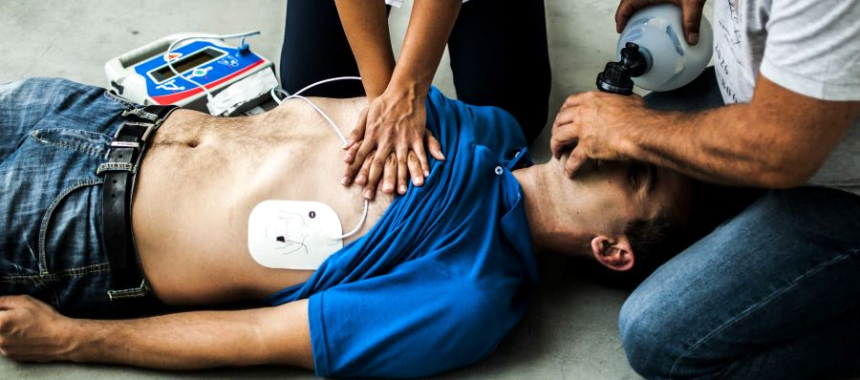
Continuous training is essential for your hospital staff to be able to handle any situation properly. For instance, enrolling in an emergency medical course equips one with excellent skills to handle any medical emergencies. Every health professional should be able to handle the following medical emergencies:
- Sudden breathing difficulty
- Cardiovascular emergencies
- Bleeding
- Poisoning
- Seizures
- Electric shock
- Fractures
- Improve communication
A clear communication system is crucial in any hospital, and especially when there is a high magnitude medical emergency. Miscommunication can be disastrous during such times. Clear communication opens ways for people to access the right information when they need it. Ensure that you can promptly communicate with managers, legal, government, and medical personnel to keep them in the loop about what is happening. This ensures that everyone knows their role at every juncture.
3. Be prepared for technology failure
Sometimes technology fails. In most cases, natural disasters such as storms destroy everything in their path. However, everything must keep moving, and your healthcare facility needs to prepare for such scenarios. Even if you have a computer backup system, there are times when you cannot access the computer due to power failure. Ensure that each department in the hospital has a backup system for clinical documentation. Power backup is also critical.
4. Involve leadership
Running a facility and keeping it open during a disaster presents many challenges. The competing needs can be overwhelming for your medical personnel. While most people think that the responsibility solely lies in the hands of the health care workers, the leadership has a role to play. The leadership should be well prepared to support their staff through the period. Making clear plans and setting up a disaster management team can come in handy at such times.
5. Know your assets well
In the plight of an emergency, outline your assets well to establish your limits. Lack of knowledge regarding assets can lead to poor decisions being made. While asking for help is a good alternative, government agencies and donors may take a long time to respond. Know what your facility can handle. Hospitals should take stock of their assets often to keep a record of their capabilities. Make decisions putting into consideration what you have as opposed to what you opt to receive. Utilize what you have even as you wait for donations and relief.
Endnote
Your response to an emergency influences the way the community feels and reacts to your business. A properly trained team can avert any disaster and save more lives. Financial loss and lack of relevance to the society you serve can have undesirable effects on your health care business.