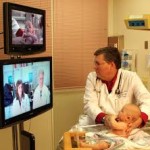
Sniffly, red noses. Crying mouths. Short tempers. You know the signs of a sick child. But do you know how to handle the situation? It doesn?t matter if you?re the best parent in the world, your child is still going to get sick. It?s incredibly stressful. You might question your sanity at times. However, there?s no way to avoid the situation. Keep reading for a few tips you can use the next time your little ones are under the weather. Be Patient Small children don?t know to control their emotions. All of their feelings are etched onto their faces. So it?s not surprising that sick kids can be extremely cranky. They might cry or throw temper tantrums or say mean things. When this happens, you need to stay calm. Remember that you?re the experienced one in the situation. If your kids are very young, they won?t understand why they feel so bad. Waiting in a doctor?s office with a sick, grumpy child is probably the last thing you want to do. However, you don?t have a choice. Don?t worry if your little one is fussy. The office staff is used to it. Stay Organized Kids can?t comply with doctor?s orders in their own. As a parent, you?ll need to take on the role of their medical manager. Luckily, there are tools to help you out. Smart IRX, a medical records app, connects you with physicians and keeps track of all of your data. Prescriptions, lab results, etc. You can set up an account for yourself and use it to manage your own care as well. If your child becomes very sick, you?ll have to go a lot of doctor?s appointments. It?s easy to get frazzled and let things slip. Your phone or tablet can become your lifeline. In addition to special apps, the basic features on the phone are useful. The alarm and calendar can help you remember appointments. Stay Home Having a sick kid forces you to rearrange your life. You can only go to work as usual if you have help looking after your child. If you don?t have anyone, you?ll have to do it yourself. That means taking time off work. Speak to your boss about transitioning to part-time hours or working from home if your child is hit with a serious or chronic illness. If you?re already a stay at home parent, this step is much easier. You do, however, need to rearrange your schedule. Find Information You have to morph into a junior doctor. You need to become an expert in your child?s illness. Doctors and surgeons are hardworking, caring people. But they?re not perfect. They?re not as invested in your child?s welfare as you are. The more information you have, the easier it?ll be to speak with doctors about the illness. If a medication is, let?s say, causing stomach pains, you have to be the one to tell the doctor. Your child might be too young or might not realize they need to speak up. You should also look into support groups for people dealing with your child?s condition. Practice Healthy Habits When one of you gets sick, your entire household needs a health boost. Everyone should live in an environment that promotes a strong immune system. Clean and disinfect all of the surfaces of your home. Cook healthy, nutritious meals. If your child is having trouble eating, try simple foods like broth. These are great habits to stick with no matter what happens. Be Open Your child has a right to know what?s going on with their body. Tell them what?s happening. Use language that they can understand don?t be unnecessarily negative. Kids are stronger than you realize. All diagnoses and procedures should be discussed with your child. You?re seeking their understanding, not their approval. The doctor or nurse can help. Stay Hopeful A parent isn?t a doctor. Their roles are different. It?s not a parent?s job to be a tough realist. Hope makes everything easier. It doesn?t matter if your child is suffering from a cold or a more serious illness. Having hope will give a better outcome. Even if the illness is ultimately incurable, being optimistic will make the symptoms easier to bear with. Conclusion Dealing with your own illness is relatively easy. You know what to do. Handling a sick child, however, is a different matter entirely. You might feel helpless or lost. Keep your composure is to practice healthy mental habits like meditation, and remember to give yourself credit. You’re doing your best!
Top Tips On How To Parent Sick Kids Who Aren’t Feeling Well


John Henning is a nutritionist, freelance writer, and food blogger that provides accessible nutrition info to help people live a healthier life. His unique approach to nutrition emphasizes nutrient-dense, whole foods and healthy habits rather than restrictive diets.