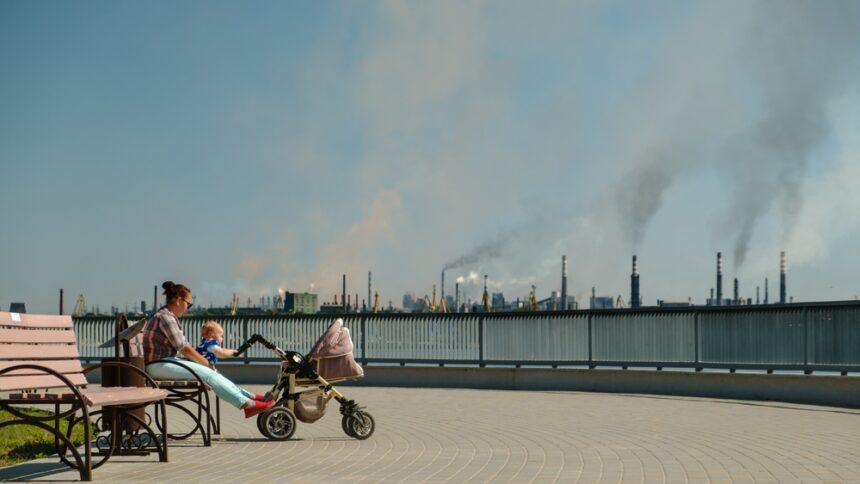
Living in a city with high pollution is like living in a giant, smog-filled nightmare. It’s no wonder that people who call these cities home are increasingly facing health issues like never before. Cancer, asthma, and hair loss have become common ailments due to the dangerous pollutants present in the air.
According to recent research, it was estimated that there were at least 6.7 million deaths due to air pollution worldwide in 2019. That’s why you must act and look for ways to steer clear of these health issues.
Health effects of air pollution
The first sign of trouble is usually breathing difficulties or chest congestion due to inhaling polluted air. It can lead to more serious respiratory illnesses, such as bronchitis, which can cause permanent damage if left untreated for too long.
Asthma attacks can also be triggered by exposure to certain chemicals in urban environments, making it difficult for those afflicted to move around freely without having trouble breathing.

Cities with poor air quality are also associated with higher rates of skin conditions, including eczema and dermatitis, plus various forms of cancer caused by prolonged exposure to hazardous particles from vehicles and industry alike.
Hair loss has been linked to heavy metal toxins released into the atmosphere from automobile exhausts and factory emissions; this toxin accumulates on our scalps over time and causes baldness or thinning hair at an early age.
It’s clear that urban areas pose many different health risks, but fortunately, most of them can be managed through medical help when needed. In this article, you’ll discover three ways to manage health issues caused by pollution.
1. Seek medical help if you have any symptoms of pollution-related illnesses
It’s vital to take action if you experience any symptoms of pollution-related illnesses. Here are some ways to seek medical help:
- Make an appointment with your primary care provider, who can assess your health and advise on the best course of treatment for you.
- Research local specialists who specialize in treating environmental illnesses caused by air pollution, such as asthma or cancer.
- Ask friends and family for recommendations on a trusted doctor they have seen before.
- Contact your insurance company and find out what resources they provide regarding pollution-related health issues.
- Look into participating in clinical trials focusing on developing new environmental disease treatments.
No matter the source of information and advice, always consult a licensed professional when seeking medical assistance for potential signs of disease related to high pollution levels in urban areas. It’s also essential to work together with healthcare professionals to develop personalized plans for managing long-term conditions.
By doing this, you can ensure that your quality of life remains as good as possible despite living in cities with high levels of air pollution.
There are various medical solutions out there that can ease your worries and stress. One is to take advantage of great medical advancements, such as TED hair restoration treatment, to get back your healthy hair, without experiencing any pain during the procedure.
Taking proactive steps now will help you stay healthy today and tomorrow. Thus, adopting healthy lifestyle habits is essential to protect yourself from the dangers of city smog and other pollutants.
2. Adopting healthy lifestyle habits
Living in a city with high pollution levels can have serious health implications. Practicing healthy lifestyle habits is important to protect yourself from harmful effects. First and foremost, maintain a balanced diet and eat plenty of fruits and vegetables, as they are packed with vitamins and minerals that help boost immunity.
Additionally, incorporate exercises into your daily routine since working out helps reduce stress and keeps you fit while improving cardiovascular health. Lastly, get enough sleep every night to ensure that your body has sufficient time to repair itself from any damage caused by environmental pollutants.
Healthy lifestyle habits can go a long way in helping you cope with the dangers posed by air pollution. To further reduce your exposure to pollutants, you must also look for ways to reduce the frequency or avoid all densely polluted places.
3. Reducing exposure to pollution
One of the most critical steps to reduce pollution exposure is to educate yourself on which areas are more heavily polluted. So, you need to stay up-to-date on current environmental health reports. Knowing which areas have higher air and water pollutant levels can help you decide where to travel, work, or live.
You can consider relocating to a less polluted city or town. You should also do your part to reduce emissions. Here’s how:
- Using public transportation whenever available
- Carpooling, if possible
- Ensuring all vehicles are properly maintained and running efficiently
If you live in or near urban centers, limit outdoor activities during times of peak pollution. This way, you can protect yourself from respiratory issues.
Takeaway
Health issues plaguing cities with high pollution are daunting but not impossible. You can reduce your exposure to pollutants by changing your lifestyle habits. It can be as simple as avoiding outdoor activities when the air quality is poor or investing in air purifiers for your home.
It’s also important to remember that caring for yourself is more than just reducing exposure. Eat a healthy diet and get regular exercise. Looking after yourself is like building a wall around you—if you have a strong defense, you can fight and prevent diseases.