
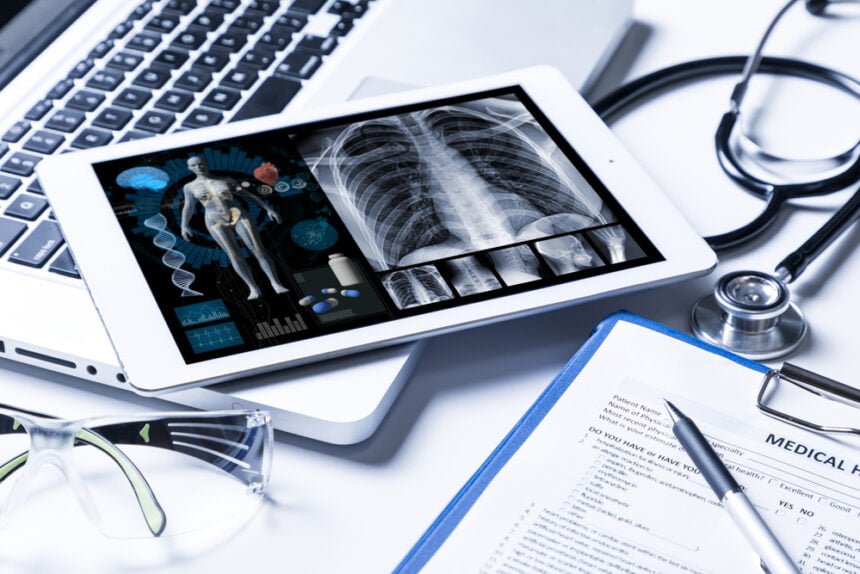
There are many important things to take into consideration when running a health care business. One of the most important is to make sure that the company has enough medical supplies on hand.
The market for medical supplies is growing significantly. Grandview Market Research estimates that it will be worth over $282 billion by 2028.
The term medical supplies refers to a wide range of equipment, devices, and consumables that are essential for diagnosing, treating, and preventing various medical conditions. These supplies are essential for healthcare professionals that want to provide optimal care to patients. The category of medical supplies includes the following:
- Personal Protective Equipment (PPE): PPE is designed to protect healthcare workers and patients from infectious diseases and hazardous materials. This includes a variety of necessary tools such as gloves, masks, gowns, face shields goggles, and respirators.
- Diagnosis Equipment: Medical supplies that are used for diagnosis include a variety of tools and instruments that are used to assess and evaluate patients’ conditions. Examples of diagnostic equipment includes stethoscopes, otoscopes, blood pressure monitors, thermometers, glucose meters, and diagnostic test kits.
- Surgical Instruments: Surgical supplies include a number of different types of tools that are used during surgical procedures, such as scalpels, forceps, scissors, retractors, clamps, and needle holders. These instruments are elemental for performing precise and controlled surgical interventions.
- Wound Care Supplies: Wound care supplies clean, dress, and protect wounds. These s of supplies include adhesive bandages, gauze dressings, adhesive tapes, wound cleansers, antiseptic solutions, and wound closure materials like sutures and staples.
- Disposable Medical Supplies: Disposable supplies are used to help maintain a sterile and safe environment in healthcare settings. These include disposable gloves, masks, syringes, needles, catheters, specimen collection containers, and disposable drapes.
- Medical Consumables: Medical consumables refer to items that are used and replaced frequently in healthcare settings. This category includes a number of different types of items such as cotton swabs, medical wipes, alcohol pads, medical adhesive tapes, disposable bed sheets, and disposable caps.
- Mobility Aids: Mobility aids patients with impaired mobility to move around safely. These supplies include wheelchairs, crutches, canes, walkers, and mobility scooters.
- Patient Monitoring Equipment: Patient monitoring supplies are used to track vital signs and monitor patients’ conditions. These supplies include a variety of tools such as pulse oximeters, EKG machines, blood pressure monitors cardiac monitors, and respiratory monitoring devices.
- Medical Furniture: Medical furniture includes examination tables, hospital beds, stretchers, medical carts, and chairs designed for healthcare facilities. These items provide comfort and convenience for both patients and healthcare professionals.
- Medical Storage and Organization: Supplies for medical storage and organization includes cabinets, drawers, bins, and shelves designs to store medical equipment, medications, and supplies in an organized and accessible manner.
- Medications: Although not typically considered as supplies, medications play a critical role in medical treatment. This category includes prescription drugs, over-the-counter medicines, vaccines, and injectable medications.
- Emergency Medical Supplies: Emergency medical supplies are essential for providing immediate care in critical situations. These supplies may include defibrillators, oxygen tanks, emergency medications, splints, and first aid kits.
It is elemental to note that this list is not exhaustive, as medical supplies can vary depending on the specific healthcare setting, specialty, and patient needs. Medical supply categories may also evolve and expand over time as new technologies and advances emerge in the field of healthcare.
More Read
What are the benefits of medical supplies?
Medical supplies offer numerous benefits that contribute to the effective delivery of healthcare services and the well-being of patients. There are a number of ways that medical facilities can get medical supplies. They can even buy some used or refurbished. Here are some key benefits of medical supplies:
- Improved Patient Care: Medical supplies play an elemental role in enhancing patient care and outcomes. They enable healthcare professionals to accurately diagnose medical conditions, monitor patients’ health, and provide appropriate treatments. By having access to necessary supplies, healthcare providers can deliver timely and effective care, leading to improved patient recovery and satisfaction.
- Infection Control: Medical supplies, particularly personal protective equipment(PPE), are essential for infection control. They create a barrier between healthcare workers and patients, reducing the risk of cross-contamination and the spread of infectious diseases. PPE, such as gloves, masks, and gowns, protect healthcare providers from exposure to pathogens and aid maintain a safe environment for both patients and staff.
- Prevention of Complications: Medical supplies, such as wound care products are dressings, aid in preventing complications associated with injuries or surgical procedures. Properly applied dressings and wound care supplies aid keep wounds clean, promote healing, and lessen the risk of infection. This slows the development of complications, such as wound dehiscence, infections, and delayed healing.
- Enhanced Diagnostic Capabilities: Diagnostic medical supplies, includes a number of instruments, and test kits, enable healthcare professionals to accurately assess and diagnose medical conditions. Stethoscopes, blood pressure monitors, thermometers, and diagnostic test kits provide valuable information about a patient’s health status, enabling healthcare providers to make informed decisions regarding treatment plans.
Where to find the right medical supplies?
Finding the right medical supplies is elemental for healthcare facilities, professionals, and individuals who require them for personal use. Here are several avenues where one can find the right medical supplies:
- Medical Supply Companies: There are different specialized medical supply companies that cater to the needs of healthcare organizations and individuals. These companies offer a wide range of medical supplies, equipment, and devices. They have sweeping catalogs or online platforms where customers can browse and purchase the required items.
- Online marketplaces: Online marketplaces have become increasingly popular for purchasing medical supplies. They offer a wide variety of medical products, ranging from basic consumables to specialized equipment. These marketplaces assure user reviews and ratings, enabling customers to make informed decisions. It’s essential to choose reputable sellers and verify the quality and authenticity of the products before making a purchase.
- Local Medical Supply Stores: Many cities have dedicated medical supply stores that cater to healthcare professionals and individuals. These stores offer a range of medical supplies, includes wound care products, diagnostic equipment, mobility aids, and personal protective equipment. Visiting local stores allows customers to physically inspect the products, seek expert advice, and receive personalized assistance.
- Hospital Supply Department: Hospital supply departments procure and stock medical supplies for their respective healthcare facilities. Some hospitals may allow external customers, such as clinics or individual healthcare professionals, to purchase supplies directly from their supply departments. Contacting the hospital’s procurement or supply chain department can provide information on availability, pricing, and purchasing procedures.
- Group Purchasing Organizations(GPOs): Group Purchasing Organizations are entities that negotiate contracts with manufacturers on behalf of multiple healthcare organizations. GPOs leverage the collective purchasing power of their members to secure competitive pricing and favorable terms. Healthcare facilities can join GPOs to gain access to a wide range of medical supplies at discounted prices.
- Government Procurement: Government agencies often have established procurement processes for medical supplies. Healthcare facilities and professionals can explore government procurement websites or reach out to local government departments responsible for healthcare procurement to access approved suppliers and procurement opportunities.