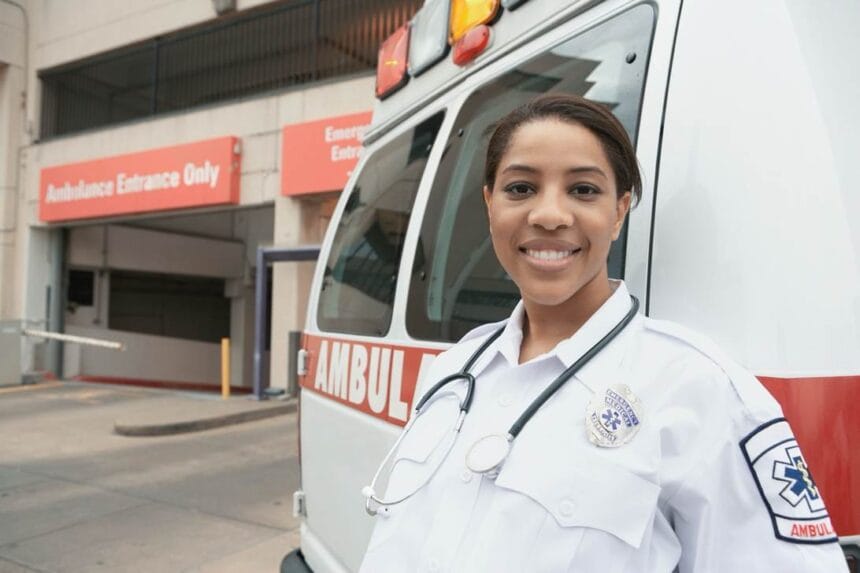
Medical emergencies often require fast decisions under stressful conditions. Whether the situation involves chest pain, severe bleeding, breathing problems, or sudden injury, early decision-making can affect treatment outcomes significantly. Patients, caregivers, and healthcare professionals all benefit from recognizing warning signs quickly and responding appropriately.
Recognize Serious Warning Signs
Some symptoms require immediate medical attention because they may indicate life-threatening conditions. Chest pain, trouble breathing, sudden confusion, severe allergic reactions, uncontrolled bleeding, seizures, and signs of stroke should never be ignored. Weakness on one side of the body, slurred speech, or sudden vision problems may signal a medical emergency requiring immediate care.
People experiencing severe symptoms should contact emergency services instead of attempting to drive themselves to a hospital whenever possible. Early recognition often improves treatment speed and patient outcomes.
Gather Important Information Quickly
Emergency responders and healthcare providers rely on accurate information during medical situations. Patients or caregivers should try to provide details about symptoms, medications, allergies, existing health conditions, and recent medical events if possible. Emergency contacts, insurance information, and medication lists may also help reduce delays during hospital intake procedures.
Some healthcare facilities also coordinate with outside legal and administrative providers connected to areas such as writ services when emergencies later involve documentation or court-related medical records. Accurate information supports faster and safer treatment decisions.
Stay Calm During Emergency Situations
Stress and panic may make emergencies more difficult to manage. Calm communication helps responders assess the situation more effectively while reducing confusion for patients and family members.
People assisting during emergencies should focus on clear instructions, patient safety, and maintaining access for medical personnel. Basic first aid knowledge and CPR training may also help individuals respond more effectively before emergency teams arrive. Simple preparation often improves confidence during unexpected situations.
Follow Emergency Care Instructions Carefully
Healthcare providers may recommend follow-up testing, medication changes, specialist referrals, or observation periods after emergency treatment. Patients should follow discharge instructions carefully and seek additional care if symptoms return or worsen after leaving the hospital.
Communication between emergency departments, primary care providers, and family members also supports safer recovery after medical emergencies. Ongoing monitoring may help reduce complications following serious medical events.
Medical emergencies often develop quickly and require organized decision-making under pressure. Recognizing serious symptoms, communicating clearly, and responding promptly may improve treatment outcomes and reduce long-term health risks. Preparation, awareness, and early medical attention remain important parts of emergency response for patients, caregivers, and healthcare professionals alike. Look over the infographic below for more information.