By using this site, you agree to the Privacy Policy and Terms of Use.
Accept
Health Works CollectiveHealth Works CollectiveHealth Works Collective
  • Health
    • Mental Health
  • Policy and Law
    • Global Healthcare
    • Medical Ethics
  • Medical Innovations
  • News
  • Wellness
  • Tech
Search
© 2023 HealthWorks Collective. All Rights Reserved.
Reading: What Is Inflammation-Free Life And How To Begin Living It
Share
Notification Show More
Font ResizerAa
Health Works CollectiveHealth Works Collective
Font ResizerAa
Search
Follow US
  • About
  • Contact
  • Privacy
© 2023 HealthWorks Collective. All Rights Reserved.
Health Works Collective > Wellness > What Is Inflammation-Free Life And How To Begin Living It
Wellness

What Is Inflammation-Free Life And How To Begin Living It

You will want to follow a diet free of inflammatory foods if you want to minimize the risk of developing chronic health problems.

Sean Mallon
Sean Mallon
Share
6 Min Read
anti-inflammatory diet
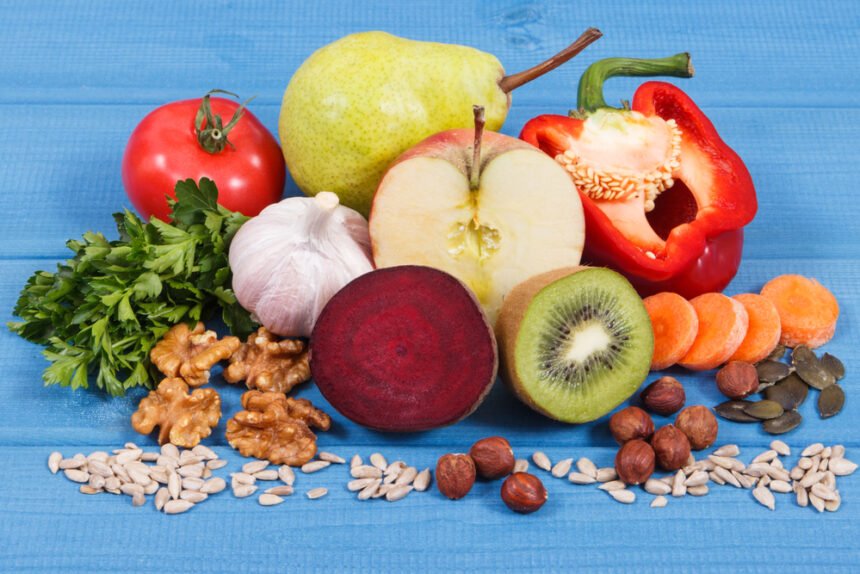
Shutterstock Licensed Photo - 1536930881 | ratmaner
SHARE

Discussions around living a healthy lifestyle are the subject of a great deal of research and new recommendations every year. They allow people to change their habits, delay ageing and prevent disease. One of the topics that has attracted a lot of interest lately is inflammation-free diets. So, in this text, we’ll look at how to avoid inflammation and where to start with these changes.

Contents
  • What is inflammation?
  • Inflammation-free lifestyle
  • What to begin with?

What is inflammation?

Inflammation is considered to be a normal response of the body’s immune system to allergens, bacteria or viruses. In some cases, we do not feel that the body is fighting a foreign invader, in others we feel heat, pain, and we can see changes visually – a certain area becomes red or swollen.

However, when this process becomes a permanent internal state of the body, it becomes problematic. Recent research shows that inflammation has a direct link to the onset of various diseases and the difficulty in curing them. Therefore, those who want to avoid negative consequences for their health now and in the future as well, should pay more attention to their diet and ensure that it is inflammation-free.

Inflammation-free lifestyle

There are a lot of different causes of inflammation, but your diet and stress levels are two of the biggest. You will want to change your diet to keep your inflammation levels down.

More Read

cardio and muscle building are both important
4 Effective Cardio Workouts to Help You Shed Extra Weight
5 Tips for Modifying the Home to make it Safe for the Elderly
Here’s How To Flush THC Out Of Your System Successfully
Gastritis: What to Eat, Diet, Best Medicines
Does Caffeine Reduce Depression?

The anti-inflammatory diet may seem unusual because it has no strict rules that limit calories or portion size. In other words, this lifestyle is not based on the quantity of food but on its components. It consists of a great variety of food, which has an immunity boosting effect. In this way, with minimal effort you get rid of inflammation in your body, ensure a healthy gut microbiota, prevent surges in blood glucose, etc.

Please find of the examples of inflammation-free foods down below:

·       Vegetables (especially broccoli, cauliflower and cabbage);

·       Fruits (especially blueberries, grapes and cherries);

·       Legumes (especially chickpeas, lentils and peas);

·       Healthy fats and high fat fruits (such as avocados and olives);

·       Foods with polynsaturated omega-3 fats (such as walnuts, chia seeds, salmon, herring)

·       Coffee and tea;

·       Dark chocolate (at least 80% cocoa solids);

·       Various herbs.

Also it is recommended to avoid junk food: sweetened beverages, fried and high-fat containing foods (such as bacon, hot dogs, burgers etc.) Those who want to follow an inflammation-free lifestyle should also eliminate or severely restrict sweets, butter, cream and meat from their diet.

Of course, it is also important to note that for those who want to live an inflammation-free lifestyle, dietary regulation alone will not be enough. In addition to replacing your existing diet with a new one, you also need to get the right number of hours of sleep and exercise regularly. It is this combination of lifestyles that will ensure good results. This way you will not only improve your well-being, but you will also reduce the chance of heart disease, cancer, diabetes, asthma, Alzheimer’s disease and avoid many other negative effects on your health.

What to begin with?

If you are expecting to be able to easily find inflammation-free diet plans online, you may be disappointed. So far, there are only a very small number of them and it is doubtful whether the type of inflammation-free diet plans can be expected to increase.

However, those who want to start a new lifestyle with a clear roadmap will certainly find something to help them. For example, Immudi reviews presented on their website and this one on exercisewithstyle.com show that the app is an indispensable tool for those who want to have a better understanding of anti-inflammatory diets and overall wellness as well as to lose some weight. It offers more than 100K+ plans. Obviously, you will be able to find the right one for you.

In order to change your lifestyle, especially your diet, it is advisable not only to follow your preferences, but also to surround yourself with people who also care about an inflammation-free life. This makes it easier to develop new eating habits without cheating yourself. Plus, having a community that shares the same goals means you can ask for help if you have any difficulties or questions.

Finally, starting an inflammation-free lifestyle requires your own strong will to change. Only you are responsible for your health and well-being. So, living with a clear goal and a daily routine that includes an inflammation-free diet, enough sleep and time for physical activity will definitely lead to satisfying results in the future.


TAGGED:inflammationinflammatory foods
Share This Article
Facebook Copy Link Print
Share

Stay Connected

1.5kFollowersLike
4.5kFollowersFollow
2.8kFollowersPin
136kSubscribersSubscribe

Latest News

health wellbeing Safe Home Heating for Vulnerable Populations: Children, Seniors, and Patients
Safe Home Heating for Vulnerable Populations: Children, Seniors, and Patients
Health
November 8, 2025
file a police report after a car accident
Can Filing a Police Report Help with Medical Bills?
Policy & Law
November 2, 2025
Slips and falls can happen in the blink of an eye, often in spaces we believe to be safe. A brief moment of misstep
When a Simple Fall Becomes a Serious Health Concern
Health
November 1, 2025
How Setting Boundaries Helps Trauma Survivors Heal
Health
October 30, 2025

You Might also Like

obese and importance of weight loss
Wellness

Obese? 5 Reasons You Should Lose Weight (Some Are Surprising!)

March 2, 2023
The ACA has put patients at the center of healthcare services. A patient-centric healthcare approach in this digital era means a revised definition of quality in the physician-patient relationship. When it comes to healthcare services, patients shell out a hefty amount from their pocket and want nothing less than the best. The services in healthcare are no longer limited to just cost as consumers now evaluate quality and experience in the same equation. Research highlights from the 2015 Healthcare Consumer Trends by National Research Corporation states that reputation in healthcare matters more to consumers when choosing a brand than any other industry, e.g. hospitality, retail, airline, etc. The new generation of quality measurements in healthcare require a different mind-set and a different 'toolbox' to handle the hurdles. It’s the need of the hour for healthcare providers and others across the healthcare value chain to adopt the patient-centric approach for surviving in the vast competitive ocean of healthcare services. Patient-centric care is an approach that develops through effective communication, empathy and a positive physician-patient relationship. The primary purpose is to improve patient care outcomes and satisfaction and to reduce patient symptoms and unnecessary costs. It’s a win-win situation for both physicians and patients. While healthcare providers are able to support their patients in becoming more compliant with treatment and management of their conditions/diseases, patients feel more satisfied with the care that they are receiving. PwC’s Health Research Institute’s annual report 2016 states that health systems should keep an eye on the consumer experience as they expand and extend. More partnerships and more caregivers could mean confusion for patients and poor customer experiences. To differentiate their practice among competitors, patient satisfaction can be used as a competitive distinguishing factor. Although patient satisfaction cannot really provide tangible benefits, but an experience that exceeds patient expectations for what a practice/hospital can provide is very important as it creates loyal patients who return for future health needs and refer their family and friends. Happy and satisfied patients are a secret marketing weapon for healthcare providers, whether they are physicians, dentists, physiotherapists or hospitals. Your patients are the new-age digital health decision-makers. In this era of Internet and social media, they now have multichannel access to information related to health. Needless to mention, they have gained new power to make their decisions; whether it’s choosing a healthcare provider or referring a physician to family and friends. By converting your satisfied patients to be your brand advocates, you can capitalize and use their voice as an effective marketing strategy to reach out to many other potential patients. To strive and thrive, in the U.S. many healthcare organizations are applying patient-centric approaches to healthcare. It’s all about what matters to patients, so it makes a lot of sense for the healthcare industry to place patients' healthcare experience at the center of their policies and procedures. The best deliverables are a combination of great communication for a positive physician-patient relationship, disciplined measurement and analysis of patient feedback and commitment to technology innovation – the formula for improving patient engagement and care.
BusinessHealth ReformWellness

The Link Between Patient Satisfaction and Long-Lasting Relationships

April 28, 2016
Wellness

The Ultimate Detox Diet Planning Guide

July 29, 2020

Attempt to Standardize Home Health Care

March 24, 2011
Subscribe
Subscribe to our newsletter to get our newest articles instantly!
Follow US
© 2008-2025 HealthWorks Collective. All Rights Reserved.
  • About
  • Contact
  • Privacy
Welcome Back!

Sign in to your account

Username or Email Address
Password

Lost your password?