Our shoulder is one of the most important parts of our body. It is also one of the most prone to injury, because it endures so much wear and tear in the day to day. You might think that shoulder deterioration is only a problem that affects athletes, but that is unfortunately not the case. According to doctors and physical therapists all over the country, almost anyone can have problems in the shoulder. These problems may be caused by falls or a repetitive activities that involve raising the arm above the head. If they are not diagnosed and promptly treated, they can develop into SLAP injuries.
SLAP Injuries Are Serious Problems that Should Not Be Ignored
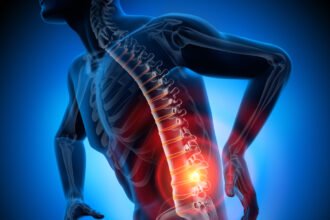
Trauma to your shoulder can lead to a tear in the labrum. This type of injury is a partial break in the cartilage ring that wraps around the base of the shoulder joint and provides stability to the base of the arm. This tear can also occur when you overexert your biceps, since the biceps tendon attaches to the scapula through the labrum.
This condition, also known as SLAP injury, can cause great pain in the upper shoulder, instability in the joint, impaired arm mobility, a sensation that makes you think that the shoulder is slipping out or (in particularly severe cases) a partial or total dislocation of the shoulder.
More Read
Types of Labral Tears
There are two types of labral tears.
Traumatic labrum tearing
This is a problem that athletes are very prone to developing. There are three main causes of traumatic labrum tearing:
- The shoulder has been dislocated
- The labrum was torn by lifting heavy objects
- You caused instability in the labrum by raising the arms above the head
The risk of traumatic labrum tearing is clearly a lot higher if you are raising heavy objects above your head.
Non-traumatic tearing of the labrum
Non-traumatic labrum tearing is a lot more common in people with great laxity, because they have greater mobility in the shoulder joint. Instability of the joints or muscle weakness often causes the labrum to tear.
Diagnosis of a labral injury
Diagnosing a labral tear is often very difficult. There are often no symptoms at all, especially when it is a small tear that does not cause pain.
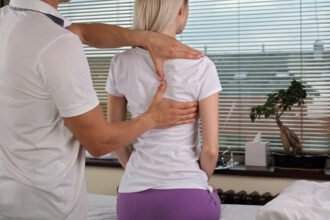
To find out if you have a labral tear, your physiotherapist will perform tests that assess the labrum and the stability of the shoulder joint. He or she may also prescribe an MRI. If both tests do not lead to a medical diagnosis, arthroscopic surgery will be necessary. This surgery will determine whether the torn labrum needs to be connected.
How do you treat labral tearing?
Some types of labral tearing may be treated with physical therapy. The physical therapist will primarily intervene when the tear does not cause instability in the shoulder. They will treat you by doing the following:
- Plan a rehabilitation treatment that restricts certain motions that worsen the SLAP injury and impede healing of the tendon
- Perform manual therapy to reduce pain and correct your range of motion
- Show you how to perform exercises to strengthen the shoulder, balance the muscles, reduce pressure on the labrum and stretch.
- Apply ice to the affected area.
Also, the physiotherapist will help those who have been operated through progressive rehabilitation exercises to prevent the tissues from tearing again.
Final Thoughts: Be Sure To Seek Prompt Treatment
There are a lot of different causes of SLAP injuries. You might not be aware of them, because they are often difficult to diagnose. This is why it is important to get a trained medical expert’s opinion, rather than trying to rely on remedies. There are a lot of options that you can consider.