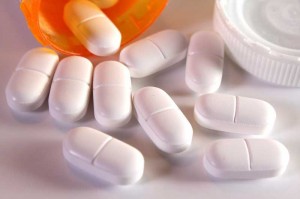
If you take at least one prescription drug on a daily basis, you’re not alone. Half of all Americans are prescribed at least one type of medication, and many of these people take several prescription medications at one time. Even more people take over-the-counter (OTC) drugs to combat health problems that range from headaches to allergies. Add additional supplements, a variety of food and beverages, and a slew of medical conditions to the mix and you triple your chances of having a negative drug reaction.
If you take at least one prescription drug on a daily basis, you’re not alone. Half of all Americans are prescribed at least one type of medication, and many of these people take several prescription medications at one time. Even more people take over-the-counter (OTC) drugs to combat health problems that range from headaches to allergies. Add additional supplements, a variety of food and beverages, and a slew of medical conditions to the mix and you triple your chances of having a negative drug reaction.

A drug reaction is an interaction between a drug and another substance that prevents the drug from doing what it’s supposed to do. This reaction can decrease the drug’s ability to be absorbed and distributed throughout the body, which, in turn, can lead to painful physical side effects and even psychological suffering.

There are three main types of drug reactions: drug-food, drug-drug and drug-condition reactions. Each type of reaction comes with a set of rules to follow to avoid extreme reactions. Jennifer Zhu, manager of the retail pharmacy at Northwest Hospital, and Stephanie Hammonds, manager of the retail pharmacy at Sinai Hospital, offer insight into some of the most common types of drug reactions and how patients can avoid them.
Both Zhu and Hammonds agree that some of the most common types of drug-food reactions occur between dairy products and antibiotics. “Many antibiotics interact with dairy products, nutrition shakes, antacids (Tums/Rolaids/Maalox/Mylanta), calcium supplements, iron supplements or multivitamins containing those things,” says Hammonds. “The harm to patients comes when those medications bind to the calcium, iron or zinc in those products, and render the antibiotic useless.”
Two types of beverages that can cause adverse drug reactions are grapefruit juice and alcohol. Zhu says that grapefruit juice causes more of the medication to be absorbed, while mixing alcohol and antidepressants can lead to increased fatigue and dizziness.
Drug-drug reactions occur between two types of drugs. Hammonds reminds us that “vitamins, over-the-counter medication and herbal supplements are all considered drugs. They can and do interact with prescription medications or each other. Just because it’s over-the-counter doesn’t mean you shouldn’t inform your health care provider or your pharmacist that you’re taking it.”
What are some of these common OTC drug reactions? Zhu says that antibiotics and birth control taken together can decrease the effectiveness of the birth control pills; Viagra taken with nitrates (which are commonly used to treat heart issues like angina) can dramatically lower blood pressure; blood thinners taken with aspirin can increase bleeding; and sedatives consumed with antihistamines can lead to increased drowsiness.
Warfarin, a common drug that is used to prevent blood clots, can also cause increased risk of bleeding when taken with OTC meds such as acetaminophen, aspirin, ibuprofen or naproxen.

Jennifer Zhu and Stephanie Hammonds
Drug-condition reactions occur between drugs and an existing medical condition. If you have high blood pressure, you should avoid OTC decongestants like pseudoephedrine, phenylephrine, ibuprofen and naproxen. “Taking diuretics can increase blood pressure in diabetics, and taking beta blockers can worsen symptoms of asthma and chronic obstructive pulmonary disease (COPD),” cautions Zhu.
With so many drug reaction possibilities, you want to make sure that you take safety precautions. Hammonds says that you should always carry an up-to-date list of what medications you take (including OTC, herbal and dietary supplements), and let your pharmacist know what kinds of medical conditions and drug allergies you may have.
Zhu’s advice is to always talk to your doctor or pharmacist about what current medications you are taking and will be taking. Make sure you read the patient information handout, check labels for medication warnings and use one pharmacy to refill all of your prescriptions.
How do the pharmacies at Northwest and Sinai ensure the safety of patients? “Safeguards in the computer system are able to check drug interactions,” says Zhu. “In addition to the system, every patient is offered counseling so that they can ask any questions they have regarding their medications.”
“In partnership with the inpatient pharmacy, we also offer medication therapy management,” says Hammonds. “These are comprehensive medication reviews that help people better understand what they’re taking, why they’re taking it and how to take it the right way.”
A good relationship with your pharmacist can ensure your long-term health and peace of mind.
-Trish Smith