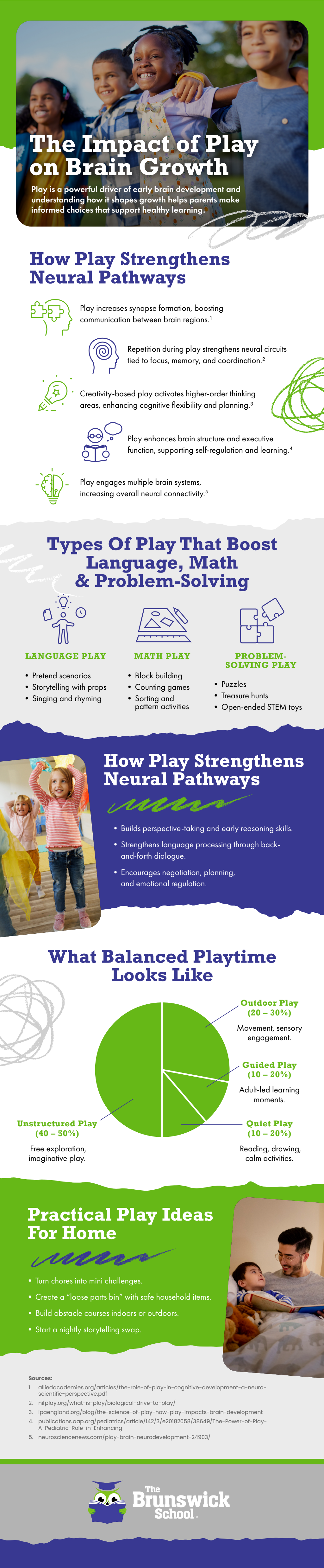
Play is one of the most important parts of early childhood development. Through play, children build communication skills, improve memory, strengthen coordination, and learn how to solve problems. Healthcare professionals and child development experts continue to study how play supports brain growth during the early years of life.
Play Supports Brain Connections
A child’s brain develops rapidly during the first several years of life. Play helps strengthen the connections between different parts of the brain that support learning, emotional control, language, and decision-making. Simple activities such as stacking blocks, drawing, singing, or pretending encourage children to think creatively while practicing memory and focus.
Interactive play also supports curiosity. Children often learn cause and effect through movement, repetition, and exploration during everyday activities. Healthcare providers frequently encourage active learning environments during early childhood because brain development responds strongly to repeated experiences and social interaction.
Social Play Builds Communication Skills
Playing with parents, siblings, classmates, or caregivers helps children learn communication and emotional regulation. Group activities teach children how to share attention, take turns, follow instructions, and respond to social cues. These experiences support relationship building and language development over time.
More Read

Children also learn how to manage frustration and express emotions during cooperative play situations. Programs such as Pre-K 2 classrooms often include structured and unstructured play activities to support communication, early learning, and social growth during important developmental stages.
Physical Activity Helps Cognitive Growth
Movement-based play supports both physical and cognitive development. Running, climbing, dancing, and outdoor games improve coordination while also helping children process sensory information more effectively. Physical activity increases blood flow to the brain and supports attention, memory, and mood regulation.
Children who participate in active play regularly often develop stronger motor skills and improved concentration during learning activities. Balanced routines that include physical movement, rest, and social interaction support healthy development across multiple areas.
Unstructured Play Encourages Independence
Children also benefit from free play without constant direction from adults. Independent play allows children to make decisions, test ideas, and develop creativity through imagination. Problem-solving skills often improve when children work through challenges during games or pretend activities on their own. Too much structured scheduling may limit opportunities for exploration and flexible thinking during early childhood.
Play supports many parts of healthy brain development, including communication, emotional growth, movement, and learning ability. Simple daily activities give children opportunities to strengthen important cognitive and social skills during key developmental years. Check out the infographic below for more information.