We know that research can be very informative to decisions we make regularly; from what car to buy, to what schools are right for our children, to what home insurance makes most sense for our families. When it comes to our health, research on the best treatment option is even more critical. Consider the decisions for treatment options for breast cancer or prostate cancer, as just two examples. Every Americans has a right to know the best possible evidence, the best possible care, and the best possible outcomes.
We know that research can be very informative to decisions we make regularly; from what car to buy, to what schools are right for our children, to what home insurance makes most sense for our families. When it comes to our health, research on the best treatment option is even more critical. Consider the decisions for treatment options for breast cancer or prostate cancer, as just two examples. Every Americans has a right to know the best possible evidence, the best possible care, and the best possible outcomes.
If a House subcommittee has its way, breast or prostate cancer patients – and indeed, all patients—will be denied vital scientific evidence. In a shocking move on July 18, the House Labor-HHS-Education Appropriations Subcommittee voted to ban any agency of the Department of Health and Human Services (HHS) from supporting any patient-centered outcomes research. Patients will be literally “kept in the dark” about which of these treatment options will be most effective for their particular conditions.
The same panel also voted to rescind funding for the new Patient Centered Outcomes Research Institute (PCORI) and to abolish the Agency for Healthcare Quality and Research (AHRQ). Both of these entities are leading supporters of research on patient outcomes. The general ban on patient-centered outcomes research also bars the National Institutes of Health (NIH), the Centers for Disease Control and Prevention (CDC), the Indian Health Service (IHS), and the Center for Medicare and Medicaid Services (CMS) from providing patients and clinicians with evidence of what works in medicine, and for whom.
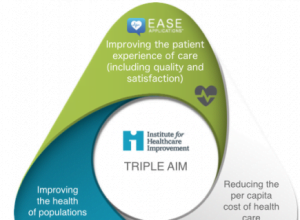
Sometimes called clinical effectiveness research, patient outcomes research is an important field that has been supported by NIH, AHRQ, and other HHS agencies for decades. The subcommittee’s vote to eradicate federal support for this branch of research is both short sighted and ill-advised. While there are legitimate concerns that therapeutics that might benefit specific patient groups might not be found effective in larger cohorts, Congress effectively dealt with those concerns in the Patient Protection and Affordable Care Act (PPACA) by barring PCORI-funded research from affecting coverage decisions.
When confronted with an illness or a disease, patients must be able to consult with their health care team to develop a treatment strategy informed by clinician experience, a patient’s personal circumstances and values, family history, and – most importantly – a well-grounded evidence base on what works best for whom and why.
The tragic implication of the subcommittee’s vote is that when the time comes for any American to make a difficult health care choice, an important group of Congress thinks that less information is better. Patients, and members of the House and Senate, not only deserve rigorous patient-centered outcomes research, they should demand it.