Motorcycle accidents can be life-altering events, leaving victims with both physical injuries and profound life lessons. These experiences, while painful and challenging, often impart wisdom about health, resilience, and the importance of community support. Understanding the implications of motorcycle accidents extends beyond just the immediate injuries; it encompasses the journey of recovery and the insights gained along the way. In this blog, we will explore the multifaceted aspects of health and healing that motorcycle accidents can teach us.
The Impact of Motorcycle Accidents on Physical Health
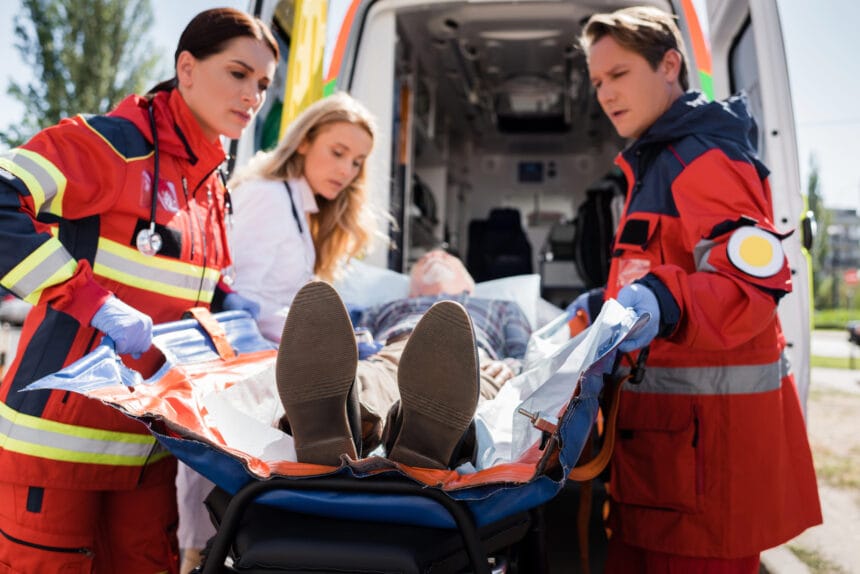
According to a law firm, motorcycle accidents frequently result in severe physical injuries. Common ailments include fractures, head injuries, and road rash, which can significantly impact a rider’s quality of life. According to statistics, motorcyclists are about 28 times more likely to die in a crash than occupants of passenger vehicles, highlighting the inherent risks associated with riding. These injuries require immediate medical attention, often leading to surgeries, physical therapy, and long rehabilitation processes.
In addition to the immediate effects, motorcycle accidents can lead to long-term complications. For instance, a fractured limb might heal but can leave a rider with chronic pain or limited mobility. Such conditions not only affect physical health but can also lead to lifestyle changes and restrictions that riders must adapt to. Therefore, recognizing the full scope of physical health impacts is crucial for understanding the challenges that accident survivors face.
Mental Health Considerations After an Accident
The psychological toll of a motorcycle accident is equally significant. Survivors often grapple with a range of mental health issues, including post-traumatic stress disorder (PTSD), anxiety, and depression. The traumatic nature of an accident can leave emotional scars that linger long after physical injuries have healed. For many, the fear of riding again can lead to feelings of isolation and loss of identity, particularly for those who view motorcycling as an essential part of their lives.
More Read

Addressing mental health is vital in the recovery process. Survivors can benefit from therapy and counseling, which provide a safe space to process their experiences and emotions. Support groups can also play a pivotal role, allowing individuals to connect with others who have faced similar challenges. By prioritizing mental health alongside physical healing, motorcycle accident survivors can embark on a more holistic path to recovery.
Moreover, it is crucial for survivors to recognize that seeking help is a sign of strength, not weakness. Engaging in mindfulness practices, such as meditation or yoga, can also aid in managing anxiety and enhancing emotional well-being. Additionally, incorporating regular physical activity can have a positive impact on mood and overall mental health. These holistic approaches, combined with professional support, empower survivors to navigate their emotions and rebuild their lives with resilience. Ultimately, acknowledging and addressing mental health challenges is essential for comprehensive recovery after a motorcycle accident.
Lessons on Resilience and Recovery
Motorcycle accidents often teach valuable lessons about resilience and personal growth. Survivors frequently discover their inner strength as they navigate the recovery process. Each challenge—whether physical therapy sessions or overcoming mental barriers—becomes an opportunity to build resilience. Many riders report that the experience of recovery instills a deeper appreciation for life and a renewed sense of purpose.
Stories of individual triumph are powerful reminders of the human spirit’s capacity to endure. For example, a rider who faced significant injuries might become an advocate for motorcycle safety, using their experience to educate others. Such narratives not only inspire fellow survivors but also serve to promote awareness about the importance of safety measures and responsible riding. The lessons learned through adversity can transform pain into purpose, highlighting the potential for personal growth even in the aftermath of tragedy.
The Role of Community and Support Systems
Community support plays an essential role in the healing journey of motorcycle accident survivors. Friends, family, and fellow riders often provide the emotional and practical assistance needed during recovery. This support system can help alleviate feelings of isolation and encourage individuals to engage in activities they once enjoyed, fostering a sense of belonging and normalcy.
In addition to personal networks, support groups specifically for motorcycle accident survivors can be invaluable. These groups create a space for sharing experiences and coping strategies, allowing members to learn from one another. The camaraderie developed in these environments can be a powerful motivator for recovery, reminding individuals that they are not alone in their struggles. By fostering connections, communities can help survivors rebuild their lives and regain confidence after an accident.
Preventative Measures and Safety Awareness
The experience of recovering from a motorcycle accident often highlights the importance of safety and preventative measures. Many survivors become advocates for safe riding practices, understanding that education and awareness can significantly reduce the risk of accidents. Simple steps such as wearing proper safety gear, taking motorcycle safety courses, and adhering to traffic laws can make a world of difference.
Furthermore, sharing personal experiences can raise awareness about the consequences of reckless riding and the importance of responsible behavior on the road. By participating in safety campaigns or community workshops, survivors can contribute to a culture of safety that benefits both riders and drivers. Ultimately, the lessons learned from accidents can lead to more informed and conscientious behavior, promoting safer riding experiences for everyone.
Conclusion
Motorcycle accidents, while devastating, provide profound insights into health and healing. From understanding the physical and mental health implications to recognizing the importance of community support, these experiences can teach us valuable lessons about resilience, safety, and personal growth. By sharing stories and advocating for preventative measures, motorcycle accident survivors can transform their pain into a powerful message that encourages safer riding practices and fosters a supportive community. Through these experiences, we learn that every wound carries wisdom, shaping our understanding of health and healing in meaningful ways.