Adhering to a moderate yet healthy lifestyle can reduce the risk of sudden cardiac death by about 90% according to a new study. It is well known that high blood pressure, high cholesterol, and diabetes correlate with coronary artery disease. Life style factors do as well – a combination of a Mediterranean style diet, moderate regular exercise, appropriate weight and non smoking all correlate with less coronary artery disease, less stroke, less high blood pressure, less diabetes, less cancer and multiple other chronic conditions and lower (or later) mortality overall.
Adhering to a moderate yet healthy lifestyle can reduce the risk of sudden cardiac death by about 90% according to a new study. It is well known that high blood pressure, high cholesterol, and diabetes correlate with coronary artery disease. Life style factors do as well – a combination of a Mediterranean style diet, moderate regular exercise, appropriate weight and non smoking all correlate with less coronary artery disease, less stroke, less high blood pressure, less diabetes, less cancer and multiple other chronic conditions and lower (or later) mortality overall.
These same factors have now been demonstrated to also reduce risk for sudden cardiac death, i.e., a sudden arrhythmia that leads to death in less than an hour from symptom onset.
S. E. Chiuve, etal of Harvard and the Brigham and Women’s Hospital in Boston (JAMA, July 6, 2011, p62) evaluated sudden cardiac death (SCD) among 82,000 participants in the Nurses Health Study between 1984 and 2010. 321 individuals had SCD during those 26 years at an average age of 72.
The authors set out four criteria for low risk lifestyles: not smoking, BMI <25, exercise >30 minutes per day and being in the top 40th percentile of the alternate Mediterranean diet score. In essence, the latter is a diet rich in fresh vegetables and fruits, nuts, whole grains, legumes and fish with moderate intake of alcohol.
The results were clear. The more risk factors, the greater the rate of SCD. Stated differently, “a low risk life style (not smoking, exercising regularly, having a prudent diet and maintaining a healthy weight) was linearly and inversely associated with risk of SCD among women.” Those women who had all four low risk lifestyle attributes experienced a 92% lower risk of SCD compared to those who had no low risk attributes. This suggests that the vast majority of SCD could be prevented by life style modifications.
The study authors point out that although 80% of women do not smoke today, adherence to the other three factors is low. Less than 40% of middle aged women have a BMI <25, 25% drink light to moderate alcohol and only 22% exercise regularly. And although the data on diet habits is limited, a simple observation of what is purchased in the supermarket is telling.
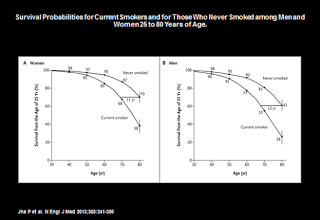
It is evident from this study – and many others – that managing lifestyle factors can prevent serious chronic illnesses including coronary artery disease, cancer, stroke, high blood pressure and diabetes along with sudden cardiac death. This is true even for those with a genetic predisposition – “your genes need not direct your fate.”