Originally published on MedCityNews.com.
Even in regions of the world that lack paved roads and easy transportation to a hospital, or even more basic things like electricity and clean water, the ubiquitous cellphone prevails.
More Read
Originally published on MedCityNews.com.
Even in regions of the world that lack paved roads and easy transportation to a hospital, or even more basic things like electricity and clean water, the ubiquitous cellphone prevails.
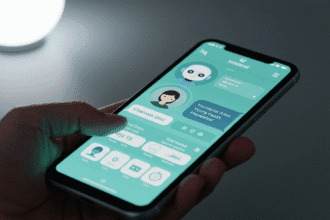
With an estimated three-quarters of the world having access to cellphones, mobile technology has become a way to bring healthcare to the people. Nonprofits seem to be leading the charge, but there are some young companies helping bridge those gaps too.
Peek, short for portable eye examination kit, is a smartphone app that uses the phone’s camera to scan a patient’s eye for diseases like cataracts. A sweeping majority of the world’s visually impaired people live in low-income countries. In some cases it’s not a lack of access to treatment that’s the issue, but finding the patients who need it but might be living in remote locations. Peek’s developers are testing the app in 5,000 people in Kenya . Eventually the idea is that clinics could send technicians to homes in remote areas to conduct the tests and diagnoses there and bring the patients who need surgery to the hospital.
Another app being put to good use by healthcare providers in developing countries is Skyscape’s Medical Resources app. Recently, Apple featured it in a promotional video on mobile health, showing a community health nurse visiting a new mother in rural Kenya. He uses a Skyscape app to show the mother how to breastfeed properly and to look up information that he says helps diagnose and prevent complications.
Kenya, along with India, China and many other nations, is also home to a counterfeit drug problem. A few years ago, two college roommates in the U.S. came up with a mobile health platform they thought could help. They founded PharmaSecure to work with pharmaceutical companies in India to print serial numbers on their drug bottles. When consumers get the medication, they can text that serial number to the number provided, and they’ll receive a text back letting them know that it’s authentic. That also opens up a new line of communication between pharmaceutical companies and consumers.
In developing regions of Africa and Asia, Sproxil is doing something similar. The company includes scratch-off labels and a number to text on consumer packages, including medicines. So far, Sproxil says it’s processed more than 5 million verifications.
Sometimes, helpful mobile tools don’t even touch consumers. That’s the case with Logistimo, a mobile supply chain app. In South Sudan, the government is using it to manage vaccine stock levels.
To read other posts in this exclusive ongoing series, please visit the Mobile Health Around the Globe main page. And if you have a Mobile Health Around the Globe story to tell, please post a comment below or email me at joan@socialmediatoday.com Thanks!